Tag: ken plume

  • Ken P. D. Snydecast #215: All-Star Canasta

    snydecast-header.png

    snydecast-logo2.png

    Adult Swim’s Dana Snyder and FRED’s Ken Plume set out to have a literate conversation between two pals, but inevitably devolve into a verbal, and funny, free-for-all full of bickering, infighting, and the special kind of male bonding that comes from conflict expressed through the podcast medium.

    Actor/comedian/raconteur Dana Snyder, you’re certainly aware, is Aqua Teen Hunger Force’s Master Shake, Squidbillies‘ Granny, Minoriteam’s Dr. Wang, and The Venture Bros.‘ Alchemist. Available for weddings and bar mitzvahs (bat availability pending), you can keep tabs on him via his website, www.eyeofthesnyder.com.

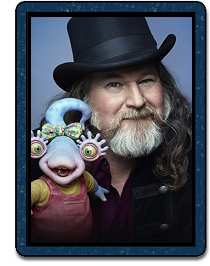
    Ken Plume is the editor-in-chief here at FRED. He is a friend of Dana’s, as well as his arch-nemesis.

    VISIT THE SNYDECAST EXPERIENCE

    linesm.gif

    KEN P.D. SNYDECAST #215: All-Star Canasta – Ken & Dana return with a parade of insecurity.

    [CONTENT WARNING]: This podcast may contain some foul language and horribly off-color jokes. Don’t say we didn’t warn you.

    DOWNLOAD: (right click to save)
    Episode #215 (MP3 format)

    [audio:http://traffic.libsyn.com/snydecast/ken_p_d_snyde_cast-215.mp3]

    SUBSCRIBE
    Subscribe to this Podcast via iTunes

    Got something to say? E-mail Dana & Ken at the Snydecast mailbag.

    line.gif

    CLICK HERE FOR THE SNYDECAST ARCHIVES

    line.gif

    ##

  • A Bit Of A Chat with Ken Plume & Loren Bouchard

    bitofachat-header.png

    lucyline.gif

    I’m Ken Plume, and soon you’ll be listening to “A Bit Of A Chat” with me, Ken Plume.

    In this episode, I have a chat with Bob’s Burgers creator Loren Bouchard about ukuleles, gender swaps, seafood, Kevin Kline, and cow bells.

    Hope you enjoy…

    Download “A Bit of a Chat with Ken Plume & Loren Bouchard“:

    [audio:http://traffic.libsyn.com/bitofachat/bit_of_a_chat-loren_bouchard.mp3]

    SUBSCRIBE
    Subscribe to this Podcast via iTunes

    ##

    patreon-fred.png

    Drop Ken a line HERE.

    ##

    You can also find more of my interviews by clicking HERE.

    lucyline.gif

  • A Bit Of A Chat with Ken Plume & Reece Shearsmith

    bitofachat-header.png

    lucyline.gif

    I’m Ken Plume, and soon you’ll be listening to “A Bit Of A Chat” with me, Ken Plume.

    In this episode, I have a chat with writer/performer Reece Shearsmith about League Of Gentlemen, Psychoville, Inside No. 9, Bretton Hall Ghosts, Widowers, and guerrilla awareness.

    Hope you enjoy…

    Download “A Bit of a Chat with Ken Plume & Reece Shearsmith“:

    [audio:http://traffic.libsyn.com/bitofachat/bit_of_a_chat-reece_shearsmith.mp3]

    SUBSCRIBE
    Subscribe to this Podcast via iTunes

    ##

    patreon-fred.png

    Drop Ken a line HERE.

    ##

    You can also find more of my interviews by clicking HERE.

    lucyline.gif

  • A Bit Of A Chat with Ken Plume & Tony Way 5

    bitofachat-header.png

    lucyline.gif

    I’m Ken Plume, and soon you’ll be listening to “A Bit Of A Chat” with me, Ken Plume.

    In this episode, I have another chat with writer/actor Tony Way, about Tom Cruise, exo suits, boozy knights, jaffa cakes, and kidnapping Vic & Bob.

    You can visit his official site at www.tonyway.co.uk

    Hope you enjoy…

    Download “A Bit of a Chat with Ken Plume & Tony Way 5“:

    [audio:http://traffic.libsyn.com/bitofachat/bit_of_a_chat-tony_way_5.mp3]

    SUBSCRIBE
    Subscribe to this Podcast via iTunes

    ##

    patreon-fred.png

    Drop Ken a line HERE.

    ##

    You can also find more of my interviews by clicking HERE.

    lucyline.gif

  • A Bit Of A Chat with Ken Plume & Hal Lublin 4

    bitofachat-header.png

    lucyline.gif

    I’m Ken Plume, and soon you’ll be listening to “A Bit Of A Chat” with me, Ken Plume.

    In this episode, Ken Plume has another chat with actor Hal Lublin, about sitcoms, culture, poetry, and Cavett Keepers.

    Oh, and be sure to check out & e-mail www.doinimprovwithmarkgagsgagliardi.com.

    Hope you enjoy…

    Download “A Bit of a Chat with Ken Plume & Hal Lublin 4“:

    [audio:http://traffic.libsyn.com/bitofachat/bit_of_a_chat-hal_lublin_4.mp3]

    SUBSCRIBE
    Subscribe to this Podcast via iTunes

    ##

    patreon-fred.png

    Drop Ken a line HERE.

    ##

    You can also find more of my interviews by clicking HERE.

    lucyline.gif

  • Ken P. D. Snydecast #214: It’s A Mad Mad Mad Mad Whirl

    snydecast-header.png

    snydecast-logo2.png

    Adult Swim’s Dana Snyder and FRED’s Ken Plume set out to have a literate conversation between two pals, but inevitably devolve into a verbal, and funny, free-for-all full of bickering, infighting, and the special kind of male bonding that comes from conflict expressed through the podcast medium.

    Actor/comedian/raconteur Dana Snyder, you’re certainly aware, is Aqua Teen Hunger Force’s Master Shake, Squidbillies‘ Granny, Minoriteam’s Dr. Wang, and The Venture Bros.‘ Alchemist. Available for weddings and bar mitzvahs (bat availability pending), you can keep tabs on him via his website, www.eyeofthesnyder.com.

    Ken Plume is the editor-in-chief here at FRED. He is a friend of Dana’s, as well as his arch-nemesis.

    VISIT THE SNYDECAST EXPERIENCE

    linesm.gif

    KEN P.D. SNYDECAST #214: It’s A Mad Mad Mad Mad Whirl – Ken & Dana return with cannonballs made of stars.

    [CONTENT WARNING]: This podcast may contain some foul language and horribly off-color jokes. Don’t say we didn’t warn you.

    DOWNLOAD: (right click to save)
    Episode #214 (MP3 format)

    [audio:http://traffic.libsyn.com/snydecast/ken_p_d_snyde_cast-214.mp3]

    SUBSCRIBE
    Subscribe to this Podcast via iTunes

    Got something to say? E-mail Dana & Ken at the Snydecast mailbag.

    line.gif

    CLICK HERE FOR THE SNYDECAST ARCHIVES

    line.gif

    ##

  • Ken P. D. Snydecast #213: The Nutty Impressor

    snydecast-header.png

    snydecast-logo2.png

    Adult Swim’s Dana Snyder and FRED’s Ken Plume set out to have a literate conversation between two pals, but inevitably devolve into a verbal, and funny, free-for-all full of bickering, infighting, and the special kind of male bonding that comes from conflict expressed through the podcast medium.

    Actor/comedian/raconteur Dana Snyder, you’re certainly aware, is Aqua Teen Hunger Force’s Master Shake, Squidbillies‘ Granny, Minoriteam’s Dr. Wang, and The Venture Bros.‘ Alchemist. Available for weddings and bar mitzvahs (bat availability pending), you can keep tabs on him via his website, www.eyeofthesnyder.com.

    Ken Plume is the editor-in-chief here at FRED. He is a friend of Dana’s, as well as his arch-nemesis.

    VISIT THE SNYDECAST EXPERIENCE

    linesm.gif

    KEN P.D. SNYDECAST #213: The Nutty Impressor – Ken & Dana return with caddies and kings.

    [CONTENT WARNING]: This podcast may contain some foul language and horribly off-color jokes. Don’t say we didn’t warn you.

    DOWNLOAD: (right click to save)
    Episode #213 (MP3 format)

    [audio:http://traffic.libsyn.com/snydecast/ken_p_d_snyde_cast-213.mp3]

    SUBSCRIBE
    Subscribe to this Podcast via iTunes

    Got something to say? E-mail Dana & Ken at the Snydecast mailbag.

    line.gif

    CLICK HERE FOR THE SNYDECAST ARCHIVES

    line.gif

    ##

  • A Bit Of A Chat with Ken Plume & Doc Hammer 4

    bitofachat-header.png

    lucyline.gif

    I’m Ken Plume, and soon you’ll be listening to “A Bit Of A Chat” with me, Ken Plume.

    In this episode, I have another chat with The Venture Bros.’ own Doc Hammer, about pepper chocolate, Hitler, masturbation, guitars, oratory, and Snoopy.

    Hope you enjoy…

    Download “A Bit of a Chat with Ken Plume & Doc Hammer 4“:

    [audio:http://traffic.libsyn.com/bitofachat/bit_of_a_chat-doc_hammer_4.mp3]

    SUBSCRIBE
    Subscribe to this Podcast via iTunes

    ##

    patreon-fred.png

    Drop Ken a line HERE.

    ##

    You can also find more of my interviews by clicking HERE.

    lucyline.gif

  • A Bit Of A Chat with Ken Plume & Radinkydonk

    bitofachat-header.png

    lucyline.gif

    I’m Ken Plume, and soon you’ll be listening to “A Bit Of A Chat” with me, Ken Plume.

    In this episode, I have a chat with Hal Lublin, Molly Lewis, Ben Soileau, Paul Sabourin, and Aaron Poole in a bizarre little conference that has no rhyme, reason, or sense but still exists for you to listen to of your own volition, should you choose to enter the somewhat less-than-magical world we like to call Radinkydonk.

    Hope you enjoy…

    Download “A Bit of a Chat with Ken Plume & Radinkydonk“:

    [audio:http://traffic.libsyn.com/bitofachat/bit_of_a_chat-radinkydonk.mp3]

    SUBSCRIBE
    Subscribe to this Podcast via iTunes

    ##

    patreon-fred.png

    Drop Ken a line HERE.

    ##

    You can also find more of my interviews by clicking HERE.

    lucyline.gif

  • A Bit Of A Chat with Ken Plume & Terry Gilliam

    bitofachat-header.png

    lucyline.gif

    I’m Ken Plume, and soon you’ll be listening to “A Bit Of A Chat” with me, Ken Plume.

    In this episode, I have a chat with filmmaker Terry Gilliam about Zero Theorem, Monty Python, quotes, bios, parapets, and chasing Quixote.

    You can read my original interview with Terry HERE.

    Hope you enjoy…

    Download “A Bit of a Chat with Ken Plume & Terry Gilliam“:

    [audio:http://traffic.libsyn.com/bitofachat/bit_of_a_chat-terry_gilliam.mp3]

    THE ZERO THEOREM opens in the UK on Friday, March 14, and comes to the US sometime later this Summer…

    SUBSCRIBE
    Subscribe to this Podcast via iTunes

    ##

    patreon-fred.png

    Drop Ken a line HERE.

    ##

    You can also find more of my interviews by clicking HERE.

    lucyline.gif

  • A Bit Of A Chat with Ken Plume & Kirk Thatcher

    bitofachat-header.png

    lucyline.gif

    I’m Ken Plume, and soon you’ll be listening to “A Bit Of A Chat” with me, Ken Plume.

    In this episode, I have a chat with writer/director Kirk Thatcher about creatures, Muppets, Star Trek punks, Star Wars, 8x10s.

    You can read my original interview with Kirk HERE.

    Hope you enjoy…

    Download “A Bit of a Chat with Ken Plume & Kirk Thatcher“:

    [audio:http://traffic.libsyn.com/bitofachat/bit_of_a_chat-kirk_thatcher.mp3]

    And here’s a preview of Kirk as one of the triumvirate of expert judges on Syfy’s Jim Henson’s Creature Shop Challenge reality competition…

    SUBSCRIBE
    Subscribe to this Podcast via iTunes

    ##

    patreon-fred.png

    Drop Ken a line HERE.

    ##

    You can also find more of my interviews by clicking HERE.

    lucyline.gif

  • FROM THE VAULT: Kirk Thatcher Interview

    vaultinterviews.png

    Conducted ~1/2000

    I first met Kirk Thatcher on the set of Muppets From Space in January of 1999, when he remarked that both of our names started with the letter “K”, so we must be brothers.

    Of course, he was right.

    While Thatcher’s name may not be instantly recognizable, his *face* may best be remembered by genre fans as the “punker on the bus” in Star Trek IV: The Voyage Home – whose blaring & acidic music confounded Kirk and Spock, prompting the stoic Vulcan to silence the cacophony with a fabled Vulcan nerve pinch.

    However, Thatcher is much more than just “the punker on the bus” – he has the unique blessing of having been creatively involved with several of fantasy & science fiction’s most beloved franchises: Star Trek (as an Associate Producer), Star Wars (as a Creature Shop technician), and the Muppets (as a writer and director).

    He’s also stepping back in front of the camera as one of the trio of expert judges presiding over the new Jim Henson’s Creature Shop Challenge reality competition on the SyFy channel.

    And he’ll always be my brother.

    From the vaults, I present to you my chat with Kirk Thatcher…

    lucyline.gif

    KEN PLUME: Can you give me a little background on yourself?

    KIRK THATCHER: I started in the industry when I was about 19 at Lucasfilm, ILM, working in the creature shop on Return of the Jedi. I was a self-taught movie and monster maker. I made masks and creatures at home.

    PLUME: Are you from the California area?

    THATCHER: I’m from Los Angeles, so when I was growing up, I would talk to people like Rick Baker and John Chambers, who were very helpful in answering questions. I was just like most guys in the effects industry, just doing stuff in the kitchen sink and in the garage.

    When I was in high school I met the production designer for Star Wars, a guy named Joe Johnston, and he’d been very kind in showing me around ILM when they were still based in Los Angeles. So after I’d gone to UCLA for two semesters I called Joe up and said that college just wasn’t working for me, they wouldn’t even let me touch a Super 8 camera until I was a junior, and was there any chance that I could come work at ILM. He said, “You know, we’re gearing up for the next Star Wars movie, Return of the Jedi, and we’re starting up a creature shop, so send up your resume.” So I sent up my resume and had an interview with Tom Smith and got the job as a technical assistant, which is basically the lowest man on the totem pole at the company.

    PLUME: But a hired man regardless.

    THATCHER: Exactly. A working man. So I started working at ILM in the creature shop. I actually helped set up the creature shop, working for Phil Tippet. I actually painted the walls and helped set up the paint room to paint the creatures. I worked in the mold shop. Basically just A to Z from sculpting to molding to fabricating to painting them and shipping them out the door.

    thatcher01.png

    thatcher02.png

    thatcher03.png

    PLUME: So this is what, 1981?

    THATCHER: 1981, basically starting about March, and we worked on the movie until about Christmas, then sent everything to London. For most of the Spring and Summer of ’82 I was on location with the movie. I went to Yuma, Arizona and then Oregon. After that, I worked on a bunch of other things at ILM. I worked on Star Treks II and III, Poltergeist, E.T.. I was one of the guys that painted E.T.. I had a great time at ILM learning a bunch of stuff, then Chris Walas got this movie, Gremlins, and Chris and I had become friends, since he had worked at ILM also. He got Gremlins on his own, so I worked with Chris for about a year and helped set his place up and work on Gremlins. After that David Fincher (director of Se7en, The Game, and most recently Fight Club) and I wanted to break out and do our own thing, so we started a rock video company. We were the two youngest guys at ILM. He’s actually a year younger than I am. He’d been a camera assistant in the matte department. So we did some rock videos together. I was the production designer and he was the director. It was a lot of mind-bendingly difficult work for very little money and no time. We had a motto, “We can do it – But it won’t be fun”. We did some Rick Springfield videos and some Martha Davis and the Motels videos. This is about ’83-’84. We did about 10-12 videos together, and then I moved down to L.A., and he moved down from San Francisco soon after and helped form Propaganda Films.

    thatcher04.png

    After I moved down, I interviewed for Star Trek IV to basically be Leonard Nimoy’s right-hand guy, and got that job, and eventually became Associate Producer on the film. Working closely with Leonard Nimoy was great. I started out as assistant to the director and it eventually became Associate Producer. He wanted to call me “Associate Director,” but there was no title like that, and the DGA wouldn’t allow it and so they called me an Associate Producer. He was great. It was the best job I ever had. He let me do a lot of stuff. He let me write dialogue and design aliens, work with the prop and art departments. I was in heaven.

    thatcher05.png

    PLUME: So, basically, you were a jack-of-all-trades.

    THATCHER: Yeah, a jack-of-all-trades, which is why he’d hired me, because I’d done all that at ILM and on my own, and he wanted someone he could trust to see things through. He was definitely directing the picture, don’t get me wrong, but he trusted that I would make sure he was getting what he wanted so he didn’t have to focus on it, because on Star Trek III, he just felt overwhelmed by all the technical stuff, especially all the special effects stuff, because it’s such a technical process. He couldn’t tell if people were telling him the truth or just giving him a run-around, so he kind of wanted someone in his camp. We got along great, and we’re still very good friends.

    PLUME: How did your cameo in Star Trek IV come about?

    THATCHER: Well, we were writing the movie, and I was there from the very beginning, even in the script stages, and they wrote this little bit for this punk rocker. The original idea was that the punk flipped off Spock, then Spock gave him the Vulcan neck grip. I actually came up with the idea of, when he passed out, his face turning off the radio. I actually added a couple little comedy bits. He was supposed to give me the Vulcan “Live Long and Prosper” sign after I flicked him off, but we cut that out. Then I added the scene where Scotty talks to the computer when the guy tells him to use the mouse and he holds it up and tries to use it like a microphone. I’ve always been a Macintosh fan, so I said, “It has to be a Macintosh.” Leonard said, “That’s funny, let’s use it.” Back to the cameo, it was this little bit in the movie, and I walked into Leonard’s office and said, “I want to play the punk on the bus.” Leonard’s got a great sense of humor, he’s very funny, so he looks at me with this big smile and says, “Reaaally…” I said, “Yeah, I think I’d do a great job. I’ll shave my head, get a mohawk, whatever.” He said, “Let me think about it.” I said okay, and I was going crazy, because in 2 weeks he didn’t say anything, and I promised him I wouldn’t bother him. I said, “Look, I’m not going to bother you, I’m only going to ask you this one time,” so I really had to live with it and not bother him. I never brought it up, never hinted at it, nothing. So about 2 weeks later, I walk to his office like I did every day, and he said, “Oh, by the way, you can do it.” I said, “What. You mean.” “Yep, you can play the punk.” I was like, “Ohhh thank you, thank you.” So I went out, shaved the sides of my head, dyed my hair orange and got a mohawk, because they don’t really make a mohawk hairpiece that looks real, so I actually had a bright road cone orange mohawk for about 6 months.

    thatcher06.png

    PLUME: I’m sure they really respected you on the set after that.

    THATCHER: Oh it was great. It was a blast. The first time DeForest Kelley saw me with this outrageous hairstyle he looked me up and down very slowly and said, “Nice shoes”. He then broke into a huge grin and ambled away. He had a very dry sense of humor.

    PLUME: You were featured rather prominently on the French poster for the film.

    THATCHER: That’s what somebody told me.

    PLUME: So the French love you.

    THATCHER: They would. I have sort of a French attitude in the movie.

    PLUME: That shows you the cultural impact you’ve had worldwide.

    THATCHER: Exactly. Leonard said I got the biggest laugh in the entire movie in Russia, because Russia was fraught with punk rockers before the wall had fallen, so they got a big laugh out of that.

    PLUME: You’re an icon now.

    THATCHER: Yeah. I could win the Nobel Peace Prize and my grave would still say “Punk On Bus – Star Trek IV“.

    The funny thing was that I got to write and sing that song that was playing on the radio. “I Hate You”, written by Kirk Thatcher and performed by The Edge of Etiquette. We shot the scene with no sound. There was no music playing. I was just miming to a beat. After we wrapped the movie, the music department was coming to us, and they were playing, like, Duran Duran or whoever Paramount had some deal with. I said, “That isn’t punk rock music. Punk rock is really raw and gritty and dirty.” They said, “Well, we don’t really deal with the Sex Pistols and stuff.” I said to Leonard, “You know, let me write you a song. I can do a song.” I was becoming good friends with the sound editor, Mark Mangini, and a couple of the guys in his sound department. I told Leonard, “We can do a song for you that will sound like a punk rock song. Just let us do it and you won’t have to pay for the rights or anything, and it will be better than Duran Duran.” So I went in with Mark and he wrote the music for it. I had a melody in mind, but I don’t write music, so he turned it into something that could be played on the guitar. We then recorded it in the hallway of the post-production sound facility that Mark had so it would sound bad – very distorted, as if recorded in a garage. We actually used the mics that the sound guys use to do key codes like, “Spock walking down the street, Take 1.” It’s just a cheap mic so it would sound really bad. We did this one weekend and Leonard came in on a Saturday and he listened to it, cracked up, and said, “Great. That’s it. We’ll use it.” And that’s how “I Hate You” came to be.

    thatcher07.png

    PLUME: It was used in another film, wasn’t it?

    THATCHER: Yeah, it was used in Back To The Beach, with Frankie and Annette. They called me up and said, “Can we use it?” and I said, “Yeah.” I actually got paid more for them using it in that than I did for Star Trek. Hey, here is a little known fact for all the Trekkies. The voice of the computer, at the beginning of Star Trek IV when Spock is doing that computer test, that’s me. I actually wrote those questions. We shot with my voice as a temp track, which we sped up, just so Leonard would have something to react to. So we shot with that and we used it on the temp track. Finally, they’re getting ready to redo it, and they asked Leonard and he says, “Naw, it’s fine. Just use that.” So after doing all this other stuff, that’s how I got my SAG card. For being the voice of the computer! And it’s the only thing that I’m not credited for, because if it was, my name would have been in the credits four times. It would have been in there more than anyone else’s name.

    PLUME: You just insinuated yourself everywhere.

    THATCHER: I did, yeah. It wasn’t anything I lobbied for. It just sort-of happened. When I hear that computer voice now , I cringe because it sounds so goofy.

    PLUME: Well, the film still works.

    THATCHER: It’s amazing. It made about $130 million in the US, and I believe the last Star Trek movie only broke $90 million. It just blew all the other Trek movies out of the water with how successful it was. I think a lot of it is due to Leonard’s sense of humor and the fact that Leonard wanted to make a lighthearted romp instead of a serious science fiction picture, and it really reached out to a broader audience.

    thatcher08.png

    thatcher09.png

    PLUME: What was your next project after Star Trek IV?

    THATCHER: A woman I had met through a special effects company we had worked with knew Jim Henson. Her first husband had directed The Muppet Movie. I was starting to pitch movie and TV show ideas with creatures at the time, and she said, “Would you like to meet Jim Henson?” and I said, “Sure, I’d love to.” She said, “I’m sure he’d like this kind of stuff and I’m sure you two would get along.” This is about 1987, and Star Trek IV had just opened, I think in February. So I met Jim in March of that year, and we hit it off and I showed him a bunch of creatures designs and story ideas and all that. We started working on some story ideas, and in March of ’88, after I’d know him for about a year, I moved to New York to work on The Jim Henson Hour. I lived in New York for year and worked in New York and Toronto on The Jim Henson Hour and became very good friends with Jim. In ’89, The Jim Henson Hour was done, and I didn’t really enjoy living in New York, so I moved back to LA and worked on some stuff with Henson, as well as Walt Disney Imagineering. I worked at Disney for nine months, and while I was working there, Jim and I started working on the concept for Dinosaurs. Unfortunately, that’s when Jim passed away, but we took the ideas that he and I had kicked around and started working with a couple of sit-com writers Michael Jacobs and Bob Young who had a development deal at Disney television. Alex Rockwell and I were the Henson side of things, I designed the characters and helped flesh out ideas while Michel and Bob started working on the scripts. Alex, who was the development person at Henson, oversaw the development process. We sold it to ABC in 1990 and in 1991 it went on the air. I worked on Dinosaurs for about four years as a writer and a character designer, and then I started writing the Muppet movies with Jerry Juhl. I cowrote Muppet Treasure Island and a couple of other Muppet films which haven’t been made. I think three all together. So that’s what I’ve been doing till now. I also worked a lot on Muppets Tonight!.

    PLUME: Regarding The Jim Henson Hour and Muppets Tonight!, what do you think were the reasons that neither show gelled either with the audience or the networks?

    THATCHER: I believe The Jim Henson Hour didn’t gel because I think NBC didn’t know what to do with it. I think it was a little all over the place.

    PLUME: It did seem a bit schizophrenic.

    THATCHER: It did, and I don’t think the network was really behind us. If the network is really behind you, I mean, you’ve seen some of these horrible shows that run forever. I think they really didn’t know what to make of it. The great thing about Jim was that he never really repeated himself. It wasn’t just a Muppet Show again. I think that was part of it. We only did thirteen, and I think they only aired six or seven. The same thing with Muppets Tonight!. ABC put us on midseason and they ran eight, then they ran a few off over the summer and kept changing our timeslot, and I think they really didn’t know what to do with us. We weren’t bowling people over in the ratings, but I think we would have found an audience. It’s hard to know why those things don’t pick up. I think a puppet show is kind of a tough sell. I think you’re always going to have a hard time getting people to watch up front. With the Muppet Show, it didn’t really catch on until it’s second season. If it was on a network, it never would have made it past it’s first. With Muppets Tonight!, people still come up and say, “You worked on that? Man, that was such a great show.” We only made 22.

    PLUME: It’s unfortunate that Muppets Tonight! hit its stride in its second season, when it was cancelled.

    THATCHER: Exactly. And it never really aired. Those episodes didn’t air until it moved to the Disney Channel. It takes awhile to figure out what a show is and how it’s going to work. Muppets Tonight! never got that chance with the audience since they pulled us after about 10 shows, and you’re right, we did start to get all the kinks worked out. It takes a while to find out what works and what doesn’t, and to see which characters are going to grow. I think both of the shows would have held up if the networks had given them a longer run.

    PLUME: I noticed with Muppets Tonight! that there where a rather large amount of Star Trek references, along with the wonderful George Takei appearance.

    THATCHER: Yeah, we got George and Bill and even Leonard did a little cameo. I wish we’d done more with Leonard. Bill Shatner’s cameo was very funny. George was hysterical. He had a ball.

    PLUME: And you’re basically lampooning him quite harshly.

    THATCHER: Oh, and he got it. I went up to him and said, “George, Kirk Thatcher.” Like he remembered me, and he said, “Ohhhh yes.” in that big baritone he has, and he said, “Oh my.” And we’d written “Oh my” in there, and he said, “You know, that’s what I say. They play that on Howard Stern.” I said, “I know George, that’s why we wrote it in the script.” He said, “Well, you’ve got me down. This is so much fun.” He totally had a ball lampooning himself, because he’s a very loquacious, very chatty with anecdotes, and he’s got that great voice, and he knew were not being mean. That we were just having fun. And we all like to poke fun at the Star Trek fans.

    PLUME: I’ve also heard that his anecdotes sometimes go beyond a person’s endurance.

    THATCHER: That’s not really true. One of the jokes we made was that he was boring people, but he’s not that bad. He’s actually a very sweet guy. It was funny, though, because I can imitate him pretty well, so in the readthroughs I would do his part and people would laugh. Then he came on the set, and when we did the readthrough with the actor, everyone was elbowing and nudging me and coming up to me later and saying, “Oh my God, he talks just like that! I can’t believe it!” I said, “Well, that’s how George is. He is what he is.” He’s a very theatrical guy with this terrific basso profundo voice.

    PLUME: Were there any episodes of Muppets Tonight! written but never produced?

    THATCHER: Nope. We wrote 22 and we filmed 22. What usually happened was that the biggest issue on those programs was the guest star. We often would have a guest star, and they would change on us literally a week before the shoot, so we’d have to rewrite the entire script since it usually revolved around these guest stars. In fact, we made a show about that where the guest star died and we had to find a replacement. The reality was that we just kept losing guest stars, so we made up the episode where we just couldn’t get a guest star, and the one that we got died, and we had to keep running around to find one. It also became known as the cameo show, since we didn’t have just one guest star, we had a bunch of them. It was a nightmare. We’d get somebody and then they’d change their mind or their schedule would change. Actors and stars have very transient schedules, but whenever they worked with us, they were great. It was just nailing them down that was the problem.

    PLUME: What was the easiest guest star for you to work with?

    THATCHER: They were all easy, but easy in terms of just totally having a ball and getting into the Muppet spirit I would have to say Garth Brooks. He was so much fun. I think it was so much fun to work with him because he was having so much fun. It was like he was a kid and he totally got it . He just wanted to be so out there and goofy, and he’s just a really charming and likeable guy. Jason Alexander was fun, but I think Garth was the easiest, just because everything we wrote, he loved, and he totally threw himself into it.

    PLUME: How closely are you associated with the Henson Company right now?

    THATCHER: I have a consulting deal to develop TV shows.

    PLUME: Hopefully you’ll move into directing the features.

    THATCHER: That would be nice. They seemed to like what I did with second unit on Muppets From Space. I recently wrote and directed some stuff for the new Odyssey Channel. Some bumpers and interstitials. Stuff like that. They were fast and silly. I got to work with Frank Oz and that was a blast.

    PLUME: Well, you certainly provided a relaxed atmosphere to work in.

    THATCHER: Thanks for noticing. My main goal was just trying to get what they wanted and try to keep it fun. It’s scary, but I’ve been working on movie sets now for 18 years. I sound
    like an old man.

    PLUME: Does it sound odd to you, to say 18 years?

    THATCHER: It scares the beejeezus out of me to say that I’ve been working in movies for 18 years.

    PLUME: Are you happy with where you’re at right now?

    THATCHER: Yeah, pretty much. If you’d asked me 10 years ago, I’d say that I would have directed a couple movies by now, but I’m very happy. I love working with the Henson people. They’re incredibly sweet and very genuine. I’ve been very fortunate, actually. If I ever write my biography, I’d have to call it “The Luckiest Guy In Hollywood”, because I’ve never worked with jerks. From the Lucas people to the Star Trek people to the Henson people. All nice, classy people.

    PLUME: Sounds like you picked the right companies.

    THATCHER: Exactly. It’s the companies that are known for quality stuff and the people have all worked together for years and nobody’s in and out. They’re all basically showbiz families. It’s like going from one circus to another circus. It’s all people who have been together and really respect one another and know how to treat each other, so I’ve been very fortunate. The one thing I learned is that the work is very hard. Importantly, it’s the attitude or the tone of the set from the Director or Producer at the top – that can make the entire process comfortable and fun. When I was the guy in the trenches mixing plaster or standing on the set with 300 other people making sure that the actor with the rubber mask on could breathe, I really appreciated people with a sense of humor who kept it light and let everyone know that, “Hey, we’re in this together. It’s not like you’re the peon and we’re the brilliant geniuses who tell you what to do.” It’s more like, “Hey, how about this? Let’s try this?” When I was down in the trenches, I said, “When I’m up there, I’ll treat people the way I like to be treated.” And fortunately, the way I was treated. It’s like families where you grow up with nice parents.

    PLUME: There was a very marked style difference between your directing and Tim Hill’s on the film. His set was much more hushed.

    THATCHER: That’s the way a lot of director’s like it. Very quiet with the director very deep in thought, and that’s the way they work. I tend to be more exuberant and loud, and that’s because that’s just the way I work. That’s who I am.

    PLUME: I was actually quite surprised that you had never directed anything before then.

    THATCHER: If you’re on enough sets, you now what it’s supposed to be like. It goes back to being a lot of hard work. If you can make it fun and at least keep people from thinking that you’ll bite their heads off if they get it wrong, then you’re doing fine. I guess…I’m not an expert…

    PLUME: So, what was your final take on Muppets From Space?

    THATCHER: I think it’s nice how it’s contemporary and brings the Muppets up to the present day and it’s great how we get to see and meet some of the new characters we developed on Muppets Tonight!, like Bobo, Pepe, and Clifford. I liked that about it. I liked the fact that it’s not just another Kermit and Piggy story. It’s an interesting risk that we took, because in some ways, you don’t go to a James Bond movie to go see Moneypenny. We’re taking a bit of a risk saying Kermit’s there and Piggy’s there, but it’s Gonzo’s story and he’s dragging the rest of the Muppets with him. It’ll be interesting to see what the audience thinks about that. The other Muppet films are ensemble pieces, but it’s interesting to see the crux of the story not be on Kermit and Piggy. To be honest, from the inside, I’m a little tired of that. It’s like, “Okay, they’re not married. They probably won’t be. Let’s move on.” On the other hand, people love that dynamic. Those are the things I liked going into the film. What we were trying to achieve.

    PLUME: Well, I think we’ve covered a good chunk of material. Is there anything that you’d like to mention?

    THATCHER: God bless America. I just hope to write and direct my own shows someday. So keep those cards and letters coming!

    PLUME: Is directing what you want to focus on for the future?

    THATCHER: Writing and creating movies and TV shows and directing movies. That’s all… Pretty typical goals for a creative working stiff in Hollywood these days…

    lucyline.gif

    NOTE: Here… fully printed & intelligible for the first time anywhere (to the best of my knowledge)… are the complete lyrics to Thatcher’s punker / hate song from Star Trek IV: The Voyage Home:

    “I HATE YOU”

    Lyrics by Kirk R. Thatcher

    Music by Mark Mangini

    (to be sung Allegro con Temptible)

    Just what is the future?
    The things we’ve done and said.
    Let’s just push the button.
    We’d be better off dead!

    And I hate you!
    and I berate you !
    and I can’t wait to get to you…

    The sins of all the fathers,
    being dumped on us – the sons
    The only choice we’re given is:
    How many megatons?

    So I eschew you!
    And I say “SCREW YOU”!
    And I hope you’re blue too!

    We’re all bloody worthless,
    Just greedy human scum,
    The numbers all add up
    to a negative sum…

    And I hate you!
    And I hate you!
    And I hate you…too!

    (Repeat in angry scream ’til hoarse – or blood sprays from throat. Whichever comes first…)

    -This piece courtesy of & copyright Kirk R. Thatcher

    thatcher10.png

    lucyline.gif

    10 QUESTIONS

    1. What is your favorite piece of music?

    “Pictures At An Exhibition” by Mussorgsky, as orchestrated by Ravel.

    2. What is your favorite film?

    I have three favorite films, each of different mood and genre, they are in no particular order: Star Wars, Citizen Kane and Monty Python and the Holy Grail.

    3. What is your favorite TV program, past or current?

    I’ve logged so many hours in front of the television, I can’t pick one. The original Twilight Zone and The Outer Limits were very influential. Monty Python’s Flying Circus, Laugh In, and the classic Warner Brothers cartoons shown on Saturday morning were also a big part of who I am today. Recently, I’ve enjoyed South Park, The Simpsons, Northern Exposure, and Spongebob Squarepants.

    4. What do you feel has been your most important professional accomplishment to date?

    Directing a movie…finally!

    5. Which project do you feel didn’t live up to what you envisioned?

    There are certain aspects of every project I’ve worked on in my career in all sorts of capacities that didn’t live up to what I had envisioned, but I have strange and elaborate visions… which is usually why I was hired to work on the projects in the first place. So I guess I’m dropping back and punting on this one…

    6. What is your favorite book?

    I love too many to pick out one, but one of the most influential was a series of books printed in the early part of the twentieth century entitled, My Book House by Olive Beaupre Miller. It was an incredibly beautiful series of six children’s books filled with amazing artwork, incredible stories, and poetry… A trifecta of visual and literary inspiration for me at a very early age. The set I have belonged to my father when he was young and I still leaf through the pages for inspiration and to get the sweet smell of old books.

    7. If you could change one thing about the industry, what would it be?

    By the “industry” I assume you mean “the biz” – babe! Seriously? If I were king of the forest? I would put creative people in charge of the creative decisions… Too many bankers and middle management type executives are involved in the creative pipeline and that is why we find ourselves with such an abundance of well financed dreck…

    8. Who – or what – would you say has had the biggest influence on your career?

    For what, see questions 2 and 6. As far as people go, it would be George Lucas, Jim Henson, and Leonard Nimoy. All three men mentored me in one way or another, Leonard and Jim in a more direct and personal manner. George Lucas has always been an inspiration to think big and outside of the box and to eschew what is considered standard operating procedure in Hollywood in lieu of better products or processes.

    9. What is your next project?

    I have a lot of irons in the fire, as they say. I’m being considered for some solely as a director, the others as both writer and director. But nothing is going to move ahead until early 2003, so I’m not going to jinx anything by mentioning them here.

    10. What is the one project that you’ve always wanted to do, but have yet to be able to?

    To write and direct a movie of my own and then turn it into a videogame, a TV series, a novel and an amusement park ride.

    lucyline.gif

  • Ken P. D. Snydecast #212: Elementary, My Dear Snyder

    snydecast-header.png

    snydecast-logo2.png

    Adult Swim’s Dana Snyder and FRED’s Ken Plume set out to have a literate conversation between two pals, but inevitably devolve into a verbal, and funny, free-for-all full of bickering, infighting, and the special kind of male bonding that comes from conflict expressed through the podcast medium.

    Actor/comedian/raconteur Dana Snyder, you’re certainly aware, is Aqua Teen Hunger Force’s Master Shake, Squidbillies‘ Granny, Minoriteam’s Dr. Wang, and The Venture Bros.‘ Alchemist. Available for weddings and bar mitzvahs (bat availability pending), you can keep tabs on him via his website, www.eyeofthesnyder.com.

    Ken Plume is the editor-in-chief here at FRED. He is a friend of Dana’s, as well as his arch-nemesis.

    VISIT THE SNYDECAST EXPERIENCE

    linesm.gif

    KEN P.D. SNYDECAST #212: Elementary, My Dear Snyder – Ken & Dana return with dreams and disasters.

    [CONTENT WARNING]: This podcast may contain some foul language and horribly off-color jokes. Don’t say we didn’t warn you.

    DOWNLOAD: (right click to save)
    Episode #212 (MP3 format)

    [audio:http://traffic.libsyn.com/snydecast/ken_p_d_snyde_cast-212.mp3]

    SUBSCRIBE
    Subscribe to this Podcast via iTunes

    Got something to say? E-mail Dana & Ken at the Snydecast mailbag.

    line.gif

    CLICK HERE FOR THE SNYDECAST ARCHIVES

    line.gif

    ##

  • FROM THE VAULT: Harold Ramis Interviews

    vaultinterviews.png

    Conducted ~5/2004 / ~11/2005

    Animal House. SCTV. Stripes. Ghostbusters. National Lampoon’s Vacation. Groundhog Day. Ghostbusters.

    Whether as an actor, writer, or director, Harold Ramis was a comedy legend.

    I’ve known for a while now that Ramis was seriously ill and would soon be leaving us, but his loss is still a terrible blow, not only for the absence of his keen comedy mind, but also because he was a genuinely decent guy in an industry where such a thing is a decided rarity.

    Over the years, I only had the chance to chat with Ramis on two all-too-brief occasions.

    The first was in conjunction with the DVD release of Analyze That – the sequel to his hit Analyze This.

    lucyline.gif

    KEN PLUME: You’ve been involved in quite a few successful films as a director…

    HAROLD RAMIS: Yes.

    PLUME: But you’ve tended to avoid doing sequels when those films went on, such as with Caddyshack and Vacation

    RAMIS: Yeah…

    PLUME: So what led to the decision to finally direct a sequel?

    RAMIS: Well, I think with these characters the subject is so rich. I think with both Caddyshack – and I was involved a little bit in the early writing of the Caddyshack sequel – but with both Caddyshack and Vacation, it’s not like the subjects were serious enough that they engaged my interest for another round. I love the characters, and the actors were great, but I didn’t see the need to make another Vacation movie. But here, you have the world of psychology and these characters were so rich, and we really left their story, I felt, at the end of Chapter One – we left with De Niro saying he was quitting the mob – and it seemed like a natural springboard for, “Well, gee… Then what does he do? If he leaves the mob, what kind of life does this guy lead?”

    PLUME: What reservations do you normally have when approaching something like a sequel? Because you’ve been involved on both sides, as a director and as an actor…

    RAMIS: Yeah, I acted in the Ghostbusters sequel, obviously, and wrote that one with Akyroyd. I think we kind of faced it on the Ghostbusters sequel, too – is how do you give the audience enough of what they liked the first time without just slavishly repeating what worked. I remember when we were writing the Ghostbusters sequel, I said to Ivan Reitman – thinking of the Marshmallow Man at the end of the first movie – I said, “Does something have to get big at the end of this?” And he said, “No, no, no, no, no… We don’t have to repeat that.” The longer we worked on the script, finally Ivan said, “Yeah, I think something should get really big.” So there’s that tendency – “Boy that joke worked so well in the original”, you think to yourself. Is there a way to have De Niro shoot a pillow, or do something that he did in the first one that really worked… The challenge really is to remain true to the characters, remain true to the situations that we’re setting up, and then find new jokes that are just as good – that seem equally honest, but try to be fresh.

    PLUME: Were there any lessons that you learned on Ghostbusters II that you applied to Analyze That?

    RAMIS: Uhhh…. Well, we should have had something get big at the end of it. Cathy Moriarty…

    PLUME: Three stories high, it would have been the perfect capper…

    RAMIS: True. Well, you know, it’s true, actually – we have a big action climax to this movie. It turns out to be a ruse – a decoy. It’s like the old rule – if you introduce a gun into the first act of a play, it’s going to be used in the third act. So if you do a movie about criminals, you have to accept there’s going to be a big crime. There’s going to be some gunplay. Some action, if not true violence.

    PLUME: When you’re planning out your course of attack on a given project, how do you gauge the X factor of audience reaction?

    RAMIS: You really can’t. You just can’t. You don’t have the audience. You have your own taste and judgement, you have the people around you, you have great actors with real taste and intelligence – but what you don’t have is the audience. First and foremost, you have to make the movie for yourself. And that’s not to say “To hell with everyone else”, but what else have you got to go on but your own taste and judgement? Then you realize, “Well, that’s why they hired me – because they like my taste and judgement.”

    PLUME: In what areas does the audience reaction tend to surprise you the most?

    RAMIS: Sometimes it’s not surprising at all – you have what you know to be a great joke or a great moment, a great situation. You just make sure you don’t screw it up. It’s going to work as long as you don’t mess it up. Hopefully you have plenty of those moments in a big comedy. Then there’s always things we call “mystery laughs” – where the audience laughs really hard at something you didn’t think they’d get, or that you didn’t even know was funny. There’s just something about it. There’s always a couple of those… I can’t remember what they are in this particular movie. I also had a great comedian in Billy Crystal, who knows how to make people laugh. He’s got 30 years on stage… there’s no telling him what’s funny. It comes down to good, healthy, mature collaborations.

    PLUME: I know this is often a contentious issue for many directors, but how important to you is the preview process?

    RAMIS: Oh, very important. For better or worse, that’s the audience, you know? You tell the studio what audience you want recruited, and they recruit half men/half women from 18-40. If they don’t like it, you get another audience. If they don’t like it, you get another one. And if the third one doesn’t like it – as someone once said, “If six Russians tell you you’re drunk, you’d better lie down.”

    PLUME: And then open in France.

    RAMIS: Well, yeah. As much as we’d like to believe that our work is great and that we’re infallible, we’re not. Hollywood movies are made for the audience. These are not small European art films we’re making.

    PLUME: Which of your films would you say was shaped the most by the testing, or post, process?

    RAMIS: The movie Vacation had a whole different ending. They never even got to the amusement park, Wallyworld, at the end of Vacation. The last almost like 20 minutes of the film was entirely different – and bombed so badly that the audience was laughing for 80 minutes and then just stopped cold.

    PLUME: What was the original ending?

    RAMIS: It was the original ending of John Hughes’s short story. They find the amusement park closed, and they practically killed themselves getting there, so he buys a pellet gun – which we kept – and then he goes to the home of Roy Wally, the Walt Disney character, takes him hostage along with several of his executives, and makes the Walt Disney character perform for him. “I want my dime’s worth of entertainment.” And it just was lame… it fell really flat.

    PLUME: So it just wasn’t the Marshmallow Man…

    RAMIS: No, no… it was nothin’! It was really disappointing.

    PLUME: This begs the question – will we see this ending on the upcoming special edition DVD?

    RAMIS: That ending? I hope you’ll never see that ending! It forced me to sit back and look at the film and think, “Well, why did they hate it so much?” Well, it wasn’t that funny. I thought, beyond that, the next question is, “What do we do about it?” So the studio said, “You shoot something.” So do you go back and reshoot what you had and try and make it better, or is there some conceptual flaw? In that case, I thought, “People have waited the whole movie to get to Wallyworld, and we’re going with the joke of frustration. Alright – we’re telling the audience, ‘Well, you waited the whole movie for it – you’re not going to get it.’ ” And I thought, “Oh, that’s wrong. That’s really wrong…”

    PLUME: “We really shouldn’t slap them like this…”

    RAMIS: That’s like telling the kids, “Kids, by the way, we’re not going to Disneyworld.” So I said, “Well, what if he hijacks the park?” You know, instead of hijacking the Disney character. Much better.

    PLUME: So if it weren’t for that testing process…

    RAMIS: We wouldn’t have found that out, no. In the movie Bedazzled, we had a sequence that audiences were really not liking…

    PLUME: Was this the “Rock Star” sequence?

    RAMIS: Yeah…. It really made them uncomfortable.

    PLUME: Even watching it on DVD, it made me uncomfortable.

    RAMIS: Yeah, it’s raw. It’s really out there. Brendan loved it. It was some of his favorite work… I mean, he really enjoyed doing it, but the audience did not want to get in touch with his dark side. And they told me that very clearly. And we went and shot the Abe Lincoln sequence.

    PLUME: Speaking of Bedazzled, what are your thoughts on the influence of the internet on the filmmaking process?

    RAMIS: I didn’t read anything on the internet. The print critics were, like, really nasty. Nasty in a way that didn’t seem to me related to the movie. In this case, we were tremendously encouraged by the testing of Analyze That. Audiences loved it. They were telling us that they liked it as much as the original and – in many cases – better than the original. The numbers were great… as good as any comedy that I’ve ever worked on. And even anecdotally, we recorded the laughs in the theater. They were huge laughs, and they were consistent through the whole picture. So we went into the opening process thinking, “Boy, people are going to love this movie.” And then the critics – it felt to me that they weren’t reviewing the movie, they were reviewing the showbusiness aspects of the film… what De Niro got. Whenever a critic mentions the salary of an actor, I’m thinking, “He’s not talking about the movie.”

    PLUME: And then they pull out the “Sequels Stink!” boilerplate…

    RAMIS: Oh yeah! I thought, “this is not a fair shake for this movie.” It seems to me they’re working off some kind of residual resentment – either they’re tired of Bob doing comedy… Maybe there’s some kind of puritanical streak in the critics where they just want him to go back to being the distinguished American actor that they’ve put on a high pedestal.

    PLUME: Or they’re exorcising leftover pain from Rocky and Bullwinkle

    RAMIS: Yeah – that it was cute the first time he did a comedy and, okay, it was cute the second time, but enough. Let’s get him back into Travis Bickle mode.

    PLUME: Before he becomes Leslie Nielsen…

    RAMIS: Yeah. So I though there was a fundamental disrespect in that aspect of the reviews.

    PLUME: Which affected the box office?

    RAMIS: Well, I think the critics hurt us, and the box office was kind of lackluster. There was kind of a doldrum period in there, and it wasn’t until after the movie opened that the studio told me that, traditionally, that was one of the worst weekends in movie history. That that’s traditionally an awful weekend. Truthfully, I think I’m still gun-shy about the marketing process in general. I don’t want to know too much about it. But even prior to the reviews, we weren’t tracking that well. The tracking was telling us that people had reservations about going to the sequel, or that they were more interested in other movies that were coming out around the same time.

    PLUME: Just a confluence of bad events…

    RAMIS: Yeah… and I’ve seen that kind of train wreck before. Multiplicity was a movie that tested really well. People seeing the movie really liked it, but then the studio couldn’t market it. We opened on a weekend with nine other films. We never tracked better than the Shaquille O’Neal movie Kazaam.

    PLUME: A bit of a black mark on the career there…

    RAMIS: I know! But, you know, you’re tracking along with Kazaam – it’s not a comment on the work, it’s a comment on the marketplace.

    PLUME: But now, with the afterlife of DVD…

    RAMIS: That’s the good news, is that people who I think shied away or were skeptical of the sequel, but liked Analyze This, I think now will get a chance to see that this is, indeed, a really good sequel, and really worth it.

    PLUME: So what’s next up on your plate?

    RAMIS: I’m looking for something that I care about, you know?

    PLUME: So it’ll be Ghostbusters 3

    RAMIS: Oh yeah! But I never work just to work. It’s some combination of laziness and self-respect.

    PLUME: Is there any one project that you’ve personally wanted to get off the ground?

    RAMIS: Actually, there’s a personal story of my own that I will write at some point, and it’s a film that I will happily make. It could very well be the next thing I do, unless someone shows me something great. It’s a personal story of a time in my life, in 1967, and it’ll be funny and poignant, and really good.

    lucyline.gif

    I also had a chance to chat with him about his film The Ice Harvest, a darkly comedic noir starring John Cusack as a mob lawyer who rips of his boss (Randy Quaid) with the aid of Billy Bob Thornton – which means they’ve got to get out of town, fast. Unfortunately, an ice storm hits – making for a complicated night, to say the least.

    lucyline.gif

    KEN PLUME: It’s interesting to note the reaction that Ice Harvest is getting…

    HAROLD RAMIS: I haven’t read any… I’ve only read one rave review – and that’s how I’m keeping it!

    PLUME: It’s seems that people are surprised by how dark the film is…

    RAMIS: I’ve been hearing that a lot, yeah…

    PLUME: But looking back over the films you’ve done, there’s always been an edge to the comedy…

    RAMIS: Yeah, well, for me, the best comedy – if it doesn’t have an edge, then it’s not for me. I see a lot of sweet, family comedy out there, and I’m not going. I’m not interested. Life is interesting *because* it’s light and dark, you know?

    PLUME: Do you think that, in some ways, people misunderstand the films you’ve done in the past, in treating the tone of Ice Harvest as a surprise?

    RAMIS: Well, the most extreme example is there are people who saw Groundhog Day and immediately recognized what the movie was about – that it was kind of a very thoughtful exploration of the meaning of life, in a certain way. And there’s no answers for this, but it was a thoughtful film. But there were others who came away, having just enjoyed it as a comedy, and then several days later came up to me and said, “You know, I think there was something else going on in that film”… You know? So much about what’s important to one person is just not important to someone else, and what’s insightful to one person is just patently obvious or pedestrian.

    PLUME: Is there a difference between what attracts you to a project as a director, as compared to what attracts you to actually sitting down as a writer to craft a script yourself?

    RAMIS: Well, the investment that a director makes in a film is huge in terms of time and energy and commitment, so I really have to believe in something if I’m going to work on it. I’ll throw writing in there, too. It’s not that I’m so rich that I don’t have to work, but I don’t have to work on stuff I don’t want to do. And I don’t have to work at my “craft” to make a living, so I only do the things that deeply interest me… Because I just can’t seem to find the energy to do things that I’m not really committed to.

    PLUME: Do you feel that there’s a perception within the industry of a “Harold Ramis” type of project that is brought to you?

    RAMIS: Well, you know, it took a long time for my agents to kind of get it – I’ve had only two agencies in 20 years – and eventually they kind of figure, “Okay, this project will interest Harold, because there’s something going on…” Something more than what’s on the surface, or there’s some big idea kind of at stake in the script. It doesn’t mean that because the ideas are big that the movies have to be serious – but if there isn’t an important idea behind it, then I kind of lose track of why I’m doing it.

    PLUME: Is there any film that didn’t have that important idea, that you regretted doing after the fact?

    RAMIS: Well, I mean, sometimes it’s a bit of a stretch… They’re not films that I’m responsible for – but even having worked on the Caddyshack sequel was a big mistake… (laughing) I worked on the script when Rodney Dangerfield was going to do it, because Rodney was a friend and really wanted to do it. And we did a movie called Armed & Dangerous, which I produced, which… you know… no one would have cared if it hadn’t gotten made. At least there was kind of a news event behind that story…

    PLUME: And it had a good cast…

    RAMIS: Yeah, with John Candy and Eugene Levy…

    PLUME: You don’t seem to have had the greatest of luck with sequels…

    RAMIS: Well, actually, the two big ones – Ghostbusters and Analyze That – were both driven by what I thought were worthy follow-up ideas to the original movies. To some extent they got a little twisted in the execution. Ghostbusters II I didn’t direct, so I was a writer in service of the director, Ivan Reitman, and the actors. Analyze That got bashed a little bit, and it got a little out-of-hand in the last act, but I actually thought that that movie was driven by something really interesting and important.

    PLUME: When you come to a project like The Ice Harvest, that has a strong script behind it, what component do you bring to the table that makes the project your own? Specifically in this case, what did you do to personalize the project for you?

    RAMIS: For me, a movie is a set of opportunities… And I don’t mean that in any kind of – there’s no false humility here. You’re working with other people – you’re working with other writers’ ideas – and in this case, I feel an obligation to the writers to make the movie that they envisioned. Especially when the writers are this good – especially when one of them is a Pulitzer Prize-winning novelist and the other has 3 Academy Awards… And (Robert) Benton, himself, has directed some great, outstanding movies. So I wanted to make a movie that they’d be proud of, and that they thought reflected what they were going for in the script. And then you have actors you’re responsible to, to make them look good – and you can’t do that by dominating them or forcing them to be something they’re not. It’s a series of agreements that you make, all along the way, with everybody. And sometimes it’s purely your vision, and sometimes it’s a vision you’ve adjusted to accommodate someone else’s visions – and sometimes it’s something that you never would have anticipated, that resulted from just the reality of doing it… the existential circumstances around it.

    PLUME: Being both an actor and a writer, how much of an influence do you think that has on you as a director, in both how you interact and the choices you make?

    RAMIS: I’m probably more solicitous of actors than some directors might be. I both love them and fear them…

    PLUME: In what circumstances do you fear them?

    RAMIS: Well, I fear conflict and disagreement, you know, because in one way you’re at the mercy of the actor. If he’s angry or pissed off or doesn’t feel he’s being heard, he can really kind of sandbag the production, you know?

    PLUME: Where does conflict generally arise, do you find?

    RAMIS: Truthfully, I think it happens when the actor doesn’t trust the director, or doesn’t feel like he’s being well-served in some way, or he feels manipulated. I start out by making an alliance with the actors – I want them to know that my only interest is in making them look good. Because actors – they’re very vulnerable. They take a huge chance. They expose themselves in public, and they know they can look bad – it’s always the possibility. They rely solely on the director, when they’re doing it, to tell them if it’s working or not – and if they don’t trust that *you* know if it’s working, then you’re going to have some conflict… they’ll stop listening to you, they’ll start asking other actors on the set… they may find passive-aggressive ways to just start sabotaging the production. Because if they think it’s going to be bad, then they just start distancing themselves right away, you know – like, “I’m not going to take this seriously, because it sucks,” and they’ll start denying their own work, in a certain way. So you want to keep actors engaged and believing that what they’re doing is valuable and good – and I know what that feels like, having been an actor, and I know what that requires.

    PLUME: What’s been the biggest confidence curve you’d had to overcome with an actor on a given project?

    RAMIS: Well, usually they’re trusting me… ummm… Maybe it starts early, maybe it’s something in my demeanor – I’m kind of like part-shrink, part-rabbi, you know? I remember I was doing Multiplicity with Michael Keaton, and I didn’t know Michael really well. Before we started shooting the movie, we were going to do a test on the very complicated compositing effects – because he was going to be playing multiple clones of himself. So for the sake of the effect that we were testing, I asked Michael to get up and walk across the stage, and he said, “Why would I do that? Why would my character get up on that line?” And I thought, “Oh boy. This is like a test, right now.” And I said, “No… All right. Don’t. Don’t do it.” I said, “I’m never going to ask you to do anything you don’t want to do – because my job to convince you that it’s the right thing, and if I’m not convincing you, I’m not doing my job. So if you don’t want to do what I want you to do, and I can’t convince you to do it, we’ll find something that you do want to do, that I like.” It just kind of tumbled out of my mouth, you know? But I believed it, as I said it, and I never betrayed him – for 100 shooting days. He never had to do anything he didn’t fully believe in. And that’s a big confidence builder -then you’re the ally of the actor, not the enemy of the actor.

    PLUME: You’ve had this experience with a few actors – is there a difference between the rapport you have with an actor when you’re acting alongside them, as opposed the rapport when you’re directing them?

    RAMIS: Well, for better or worse, I try to be the same person – no matter what I’m doing. And I mean no matter what – whether I’m talking to my kids or talking to the president of a movie studio or the president of the United States, you know?

    PLUME: But when you send the studio head to their room…

    RAMIS: (laughing) I don’t send my kids to their rooms! Reality is hard to know sometimes, especially in entertainment. It’s so easy to delude yourself. Paul Shaffer – the bandleader of the Letterman show who used to work with us at the Lampoon and stuff – but Paul was the first among many people that got famous… Paul went to LA to do a pilot, before any of us went – before Belushi or Gilda or Chevy or Chris Guest, or anyone, got well known – and when Shaffer came back, everyone was asking him, “What’s Hollywood like?” And he said, “Well, it’s like people on either side of you whispering bulls*** into your ears at the same time.” So it’s very hard to come by the truth. No one wants to tell you bad news, everyone wants to flatter you, and you could really delude yourself, you know? It’s like, when you’re in the meeting with the executives or the producers, you know – “You’re a genius! What a genius! Oh, this is going to be so great!” And then the meeting breaks up and they say, “Oh, you go ahead – we’re going to stay and talk for a minute.” And you know what that meeting’s like.

    PLUME: Was there any point that you fell under the Hollywood delusion, or have you always kept a level head about the business and exactly what you’re dealing with?

    RAMIS: Well, I came into it strong. We came into the film business with Animal House. We came right from new York with a script that turned into the biggest comedy ever, so we were, in a way, writing our own ticket. I was able to say, “I want to direct the next movie I write.” Which was Caddyshack. So all that was solid – we weren’t asking for favors, we weren’t depending on anybody. To the extent that I’ve always just taken the approach that, “I’m gonna do what I wanna do, and they’ll get on board or they won’t. Or I’ll find a place that will let me.” Of course I want to hear legitimate feedback and intelligent responses to what I’m doing – and it’s they’re money, of course, so they can always say no… But they can’t make me do what they want me to do.

    PLUME: I was speaking to Rick Moranis a few weeks back, and it seems like there’s a definite independent streak to the performers that came out of Second City and SCTV and made their way to Hollywood – performers like you, Rick, Dave Thomas, Martin Short, Eugene Levy, etc. It seems you’re people that aren’t easily pushed into doing a project if it’s not something you don’t want to do.

    RAMIS: Well, Second City… I don’t think Rick did the stage show, but he did SCTV… and in almost every case, anything associated with Second City – we had directors, but we were responsible for generating our own material. And we also had a rule – “Always work from the top of your intelligence. “So there was kind of an autonomy that developed. We became self-validating, somehow, and that’s real important. It’s hard enough being a performer or being in showbusiness, because our success is dependent upon the approval of others. But the approval of other people can be a very hollow thing if you’re not self-validating at the same time. If I like what I do, then I’m fine, for the most part. Of course I want other people to like it – but if they don’t, it doesn’t make me question my own taste or ability… It just tells me what’s real – not everyone gets this, not everyone likes this. And it’s very hard to do something that everybody’s going to like. So if you live and die based on other people’s approval, your life can be a roller coaster of illusory pain, or of illusory grandiosity. I just try to trust the people around me that I really trust, work for the smartest, most tasteful 5% of the audience, and hope everyone else comes along.

    PLUME: How would you compare the director you are today to the director you were 25 years ago?

    RAMIS: I feel like I’m the same guy, with a lot more technical craft experience. The man I am today versus the man I was 25 years ago – life is the great teacher, obviously, and experience has taught me a lot of things about being a person. And it’s not that what was important to me when I was starting out – those things are still important, but just developmentally, other things become important… as you age, as you have children of your own, I’m in a long-term committed relationship with my wife… all these things change you from when you’re 21 and starting out. As Oliver Platt says in our movie, “The only thing left for men is money and p***y.” Well, when you’re young, that’s all you’re working for. If you’re still doing that when you’re 60, you should probably see a therapist.

    PLUME: Or get a smoking jacket…

    RAMIS: Right! That’s true…

    PLUME: And I hope we eventually see that film you were talking about a few years back, based on that even in your life, from 1967…

    RAMIS: That would be cool… Somebody asked me about that recently. I’m looking at it again and seeing what I would need to do to turn it into a film.

    lucyline.gif

    If you enjoyed this interview, please take a moment to DONATE.

    You can also find more of my interviews by clicking HERE.

  • Ken P. D. Snydecast #211: Menu Mules

    snydecast-header.png

    snydecast-logo2.png

    Adult Swim’s Dana Snyder and FRED’s Ken Plume set out to have a literate conversation between two pals, but inevitably devolve into a verbal, and funny, free-for-all full of bickering, infighting, and the special kind of male bonding that comes from conflict expressed through the podcast medium.

    Actor/comedian/raconteur Dana Snyder, you’re certainly aware, is Aqua Teen Hunger Force’s Master Shake, Squidbillies‘ Granny, Minoriteam’s Dr. Wang, and The Venture Bros.‘ Alchemist. Available for weddings and bar mitzvahs (bat availability pending), you can keep tabs on him via his website, www.eyeofthesnyder.com.

    Ken Plume is the editor-in-chief here at FRED. He is a friend of Dana’s, as well as his arch-nemesis.

    VISIT THE SNYDECAST EXPERIENCE

    linesm.gif

    KEN P.D. SNYDECAST #211: Menu Mules – Ken & Dana return with a journey into boxes.

    [CONTENT WARNING]: This podcast may contain some foul language and horribly off-color jokes. Don’t say we didn’t warn you.

    DOWNLOAD: (right click to save)
    Episode #211 (MP3 format)

    [audio:http://traffic.libsyn.com/snydecast/ken_p_d_snyde_cast-211.mp3]

    SUBSCRIBE
    Subscribe to this Podcast via iTunes

    Got something to say? E-mail Dana & Ken at the Snydecast mailbag.

    line.gif

    CLICK HERE FOR THE SNYDECAST ARCHIVES

    line.gif

    ##

  • A Bit Of A Chat with Ken Plume & Billy West

    bitofachat-header.png

    lucyline.gif

    I’m Ken Plume, and soon you’ll be listening to “A Bit Of A Chat” with me, Ken Plume.

    In this episode, I have a chat with voice actor extraordinaire Billy West about Larry Fine, Mel Blanc, radio, Brian Wilson, Futurama, and miracle teeth.

    Hope you enjoy…

    Download “A Bit of a Chat with Ken Plume & Billy West“:

    [audio:http://traffic.libsyn.com/bitofachat/bit_of_a_chat-billy_west.mp3]

    SUBSCRIBE
    Subscribe to this Podcast via iTunes

    ##

    patreon-fred.png

    Drop Ken a line HERE.

    ##

    You can also find more of my interviews by clicking HERE.

    lucyline.gif

  • A Bit Of A Chat with Ken Plume & Hal Lublin 3

    bitofachat-header.png

    lucyline.gif

    I’m Ken Plume, and soon you’ll be listening to “A Bit Of A Chat” with me, Ken Plume.

    In this episode, Ken Plume has another chat with actor Hal Lublin, about proximity mimics, doctors, dropped hats, thrilling adventures, and Hal-shaped holes. With special guests Paul Sabourin and Mark Gagliardi.

    Hope you enjoy…

    Download “A Bit of a Chat with Ken Plume & Hal Lublin 3“:

    [audio:http://traffic.libsyn.com/bitofachat/bit_of_a_chat-hal_lublin_3.mp3]

    SUBSCRIBE
    Subscribe to this Podcast via iTunes

    ##

    patreon-fred.png

    Drop Ken a line HERE.

    ##

    You can also find more of my interviews by clicking HERE.

    lucyline.gif

  • A Bit Of A Chat with Ken Plume & Andrew Hunter Murray

    bitofachat-header.png

    lucyline.gif

    I’m Ken Plume, and soon you’ll be listening to “A Bit Of A Chat” with me, Ken Plume.

    In this episode, I have a chat with writer and performer Andrew Hunter Murray about Private Eye, QI, Jane Austen, questions, bridges, tunnels, and Brian Blessed.

    Hope you enjoy…

    Download “A Bit of a Chat with Ken Plume & Andrew Hunter Murray“:

    [audio:http://traffic.libsyn.com/bitofachat/bit_of_a_chat-andrew_hunter_murray.mp3]

    SUBSCRIBE
    Subscribe to this Podcast via iTunes

    ##

    patreon-fred.png

    Drop Ken a line HERE.

    ##

    You can also find more of my interviews by clicking HERE.

    lucyline.gif

  • Ken P. D. Snydecast #210: Crunchings And Munchings

    snydecast-header.png

    snydecast-logo2.png

    Adult Swim’s Dana Snyder and FRED’s Ken Plume set out to have a literate conversation between two pals, but inevitably devolve into a verbal, and funny, free-for-all full of bickering, infighting, and the special kind of male bonding that comes from conflict expressed through the podcast medium.

    Actor/comedian/raconteur Dana Snyder, you’re certainly aware, is Aqua Teen Hunger Force’s Master Shake, Squidbillies‘ Granny, Minoriteam’s Dr. Wang, and The Venture Bros.‘ Alchemist. Available for weddings and bar mitzvahs (bat availability pending), you can keep tabs on him via his website, www.eyeofthesnyder.com.

    Ken Plume is the editor-in-chief here at FRED. He is a friend of Dana’s, as well as his arch-nemesis.

    VISIT THE SNYDECAST EXPERIENCE

    linesm.gif

    KEN P.D. SNYDECAST #210: Crunchings And Munchings – Ken & Dana return with edible guilty pleasures.

    [CONTENT WARNING]: This podcast may contain some foul language and horribly off-color jokes. Don’t say we didn’t warn you.

    DOWNLOAD: (right click to save)
    Episode #210 (MP3 format)

    [audio:http://traffic.libsyn.com/snydecast/ken_p_d_snyde_cast-210.mp3]

    SUBSCRIBE
    Subscribe to this Podcast via iTunes

    Got something to say? E-mail Dana & Ken at the Snydecast mailbag.

    line.gif

    CLICK HERE FOR THE SNYDECAST ARCHIVES

    line.gif

    ##

  • A Bit Of A Chat with Ken Plume & Andy Bobrow 4

    bitofachat-header.png

    lucyline.gif

    I’m Ken Plume, and soon you’ll be listening to “A Bit Of A Chat” with me, Ken Plume.

    In this episode, I have another chat with COMMUNITY writer/producer Andy Bobrow, about cannisters, pilots, pop tarts, and regret.

    Hope you enjoy…

    Download “A Bit of a Chat with Ken Plume & Andy Bobrow 4“:

    [audio:http://traffic.libsyn.com/bitofachat/bit_of_a_chat-andy_bobrow_4.mp3]

    SUBSCRIBE
    Subscribe to this Podcast via iTunes

    ##

    patreon-fred.png

    Drop Ken a line HERE.

    ##

    You can also find more of my interviews by clicking HERE.

    lucyline.gif

  • A Bit Of A Chat with Ken Plume & Chris McKenna 2

    bitofachat-header.png

    lucyline.gif

    I’m Ken Plume, and soon you’ll be listening to “A Bit Of A Chat” with me, Ken Plume.

    In this episode, I have another chat with writer and COMMUNITY executive producer Chris McKenna, about returns, farewells, Harmonizing, Banks, John Oliver, and broken promises.

    Hope you enjoy…

    Download “A Bit of a Chat with Ken Plume & Chris McKenna 2“:

    [audio:http://traffic.libsyn.com/bitofachat/bit_of_a_chat-chris_mckenna_2.mp3]

    SUBSCRIBE
    Subscribe to this Podcast via iTunes

    ##

    patreon-fred.png

    Drop Ken a line HERE.

    ##

    You can also find more of my interviews by clicking HERE.

    lucyline.gif

  • Ken P. D. Snydecast #209: Where Schemes Come True

    snydecast-header.png

    snydecast-logo2.png

    Adult Swim’s Dana Snyder and FRED’s Ken Plume set out to have a literate conversation between two pals, but inevitably devolve into a verbal, and funny, free-for-all full of bickering, infighting, and the special kind of male bonding that comes from conflict expressed through the podcast medium.

    Actor/comedian/raconteur Dana Snyder, you’re certainly aware, is Aqua Teen Hunger Force’s Master Shake, Squidbillies‘ Granny, Minoriteam’s Dr. Wang, and The Venture Bros.‘ Alchemist. Available for weddings and bar mitzvahs (bat availability pending), you can keep tabs on him via his website, www.eyeofthesnyder.com.

    Ken Plume is the editor-in-chief here at FRED. He is a friend of Dana’s, as well as his arch-nemesis.

    VISIT THE SNYDECAST EXPERIENCE

    linesm.gif

    KEN P.D. SNYDECAST #209: Where Schemes Come True – Ken & Dana return with a magical car journey near Disney World featuring special guests Guy Hutchinson and Quincy Marr.

    [CONTENT WARNING]: This podcast may contain some foul language and horribly off-color jokes. Don’t say we didn’t warn you.

    DOWNLOAD: (right click to save)
    Episode #209 (MP3 format)

    [audio:http://traffic.libsyn.com/snydecast/ken_p_d_snyde_cast-209.mp3]

    SUBSCRIBE
    Subscribe to this Podcast via iTunes

    Got something to say? E-mail Dana & Ken at the Snydecast mailbag.

    line.gif

    CLICK HERE FOR THE SNYDECAST ARCHIVES

    line.gif

    ##

  • Ken P. D. Snydecast #208: Boobknobs And Breadsticks

    snydecast-header.png

    snydecast-logo2.png

    Adult Swim’s Dana Snyder and FRED’s Ken Plume set out to have a literate conversation between two pals, but inevitably devolve into a verbal, and funny, free-for-all full of bickering, infighting, and the special kind of male bonding that comes from conflict expressed through the podcast medium.

    Actor/comedian/raconteur Dana Snyder, you’re certainly aware, is Aqua Teen Hunger Force’s Master Shake, Squidbillies‘ Granny, Minoriteam’s Dr. Wang, and The Venture Bros.‘ Alchemist. Available for weddings and bar mitzvahs (bat availability pending), you can keep tabs on him via his website, www.eyeofthesnyder.com.

    Ken Plume is the editor-in-chief here at FRED. He is a friend of Dana’s, as well as his arch-nemesis.

    VISIT THE SNYDECAST EXPERIENCE

    linesm.gif

    KEN P.D. SNYDECAST #208: Boobknobs And Breadsticks – Ken & Dana return with mustaches affixed.

    [CONTENT WARNING]: This podcast may contain some foul language and horribly off-color jokes. Don’t say we didn’t warn you.

    DOWNLOAD: (right click to save)
    Episode #208 (MP3 format)

    [audio:http://traffic.libsyn.com/snydecast/ken_p_d_snyde_cast-208.mp3]

    SUBSCRIBE
    Subscribe to this Podcast via iTunes

    Got something to say? E-mail Dana & Ken at the Snydecast mailbag.

    line.gif

    CLICK HERE FOR THE SNYDECAST ARCHIVES

    line.gif

    ##

  • Ken P. D. Snydecast #207: Yule Be Sorry

    snydecast-header.png

    snydecast-logo2.png

    Adult Swim’s Dana Snyder and FRED’s Ken Plume set out to have a literate conversation between two pals, but inevitably devolve into a verbal, and funny, free-for-all full of bickering, infighting, and the special kind of male bonding that comes from conflict expressed through the podcast medium.

    Actor/comedian/raconteur Dana Snyder, you’re certainly aware, is Aqua Teen Hunger Force’s Master Shake, Squidbillies‘ Granny, Minoriteam’s Dr. Wang, and The Venture Bros.‘ Alchemist. Available for weddings and bar mitzvahs (bat availability pending), you can keep tabs on him via his website, www.eyeofthesnyder.com.

    Ken Plume is the editor-in-chief here at FRED. He is a friend of Dana’s, as well as his arch-nemesis.

    VISIT THE SNYDECAST EXPERIENCE

    linesm.gif

    KEN P.D. SNYDECAST #207: Yule Be Sorry – Ken & Dana return with festive holiday something or another.

    [CONTENT WARNING]: This podcast may contain some foul language and horribly off-color jokes. Don’t say we didn’t warn you.

    DOWNLOAD: (right click to save)
    Episode #207 (MP3 format)

    [audio:http://traffic.libsyn.com/snydecast/ken_p_d_snyde_cast-207.mp3]

    SUBSCRIBE
    Subscribe to this Podcast via iTunes

    Got something to say? E-mail Dana & Ken at the Snydecast mailbag.

    line.gif

    CLICK HERE FOR THE SNYDECAST ARCHIVES

    line.gif

    ##

  • An Evening With John Hodgman & Ken Plume VII

    bitofachat-header.png

    lucyline.gif

    I’m Ken Plume, and soon you’ll be listening to “A Bit Of A Chat” with me, Ken Plume.

    In this episode, I have another of my periodic chats with deranged millionaire, minor television celebrity, PC, and literary trivialist John Hodgman, about theater, sap runs, The Rule of 86, the lonely lodger, and secret societies.

    Hope you enjoy…

    Download “An Evening With John Hodgman & Ken Plume VII“:

    [audio:http://traffic.libsyn.com/bitofachat/bit_of_a_chat-john_hodgman_7.mp3]

    (PREVIOUSLY: An Evening With John Hodgman & Ken Plume I, An Evening With John Hodgman & Ken Plume II, An Evening With John Hodgman & Ken Plume III, An Evening With John Hodgman & Ken Plume IV, An Evening With John Hodgman & Ken Plume V), & An Evening With John Hodgman & Ken Plume VI)

    SUBSCRIBE
    Subscribe to this Podcast via iTunes

    ##

    patreon-fred.png

    Drop Ken a line HERE.

    ##

    You can also find more of my interviews by clicking HERE.

    lucyline.gif