Tag: Popeye

  • Weekend Shopping Guide 9/29/17: The Doctor Is In

    weekendshopping.png

    The weekend’s here. You’ve just been paid, and it’s burning a hole in your pocket. What’s a pop culture geek to do? In hopes of steering you in the right direction to blow some of that hard-earned cash, it’s time for the FRED Weekend Shopping Guide – your spotlight on the things you didn’t even know you wanted…

    (Please support FRED by using the links below to make any impulse purchases – it helps to keep us going…)

    Sometimes, it seems like Disney has a toybox that is positively overflowing with properties, which becomes abundantly and delightfully clear when two actual toys – well, high-end collectibles (SUPER-TOYS!) arrive hot on the heels of each other, each representing a circle in the Venn diagram of the company’s IP. Not only do these two figures come from powerhouse franchises Marvel & Star Wars, but Hot Toys has delivered them in the form of two of the best figures they’ve ever produced.

    From the Marvel Cinematic Universe comes Doctor Strange (Sideshow, $234.99), as portrayed by Benedict Cumberbatch. From the exquisitely tailored reproduction of the film’s ridiculously intricate costume to the eerily lifelike head sculpt and paint-ops, this is magical realization as befitting Earth’s Sorcerer Supreme. In addition to numerous hands (including a few in spell-casting gestures, but sadly non in his more comics-accurate gloved form, as seen in the mid-credit sequence), you get his sling ring, two versions of the Eye Of Aggamoto (open & closed), and numerous spell attachments. This is a truly spectacular figure.

    weekendpicks20170929-01.png

    weekendpicks20170929-02.png

    weekendpicks20170929-03.png

    weekendpicks20170929-04.png

    .

    blankguide.gif

    Not to be outshone by Stephen Strange, we transition from the mystical to the mechanical for the breakout star of Rogue One: A Star Wars Story, K-2SO (Sideshow, $229.99 SRP). I love me some robots, and the endearingly acerbic K-2SO immediately earned himself a place in my heart. The deceptively simple sculpt is a perfect scaled reproduction, and the engineering of the figure delivers a surprising range of movement and poseability. While he’s light on accessories (just a blaster and a grenade), the light he does get – adjustable light-up LED eyes – certainly makes up for it. And now, he can team up with Dr. Strange because, I don’t know, multiverse and dimensions and magic, or something. You figure it out.

    weekendpicks20170929-05.png

    weekendpicks20170929-06.png

    blankguide.gif

    It was inevitable that there were dark days ahead for its protagonists, but the third season of Star Wars: Rebels (Walt Disney, Not Rated, Blu-Ray-$45.99 SRP) is when we finally get a sense that many of these characters would not have a particularly happy ending in their future, as the Empire closes in and we approach the show’s junction with Rogue One. Bonus materials include audio commentaries and featurettes.

    blankguide.gif

    Ten years in the making, Ken Burns & Lynn Novick’s 18-hour documentary treatise on The Vietnam War (PBS, Not Rated, Blu-Ray-$129.99 SRP) is every bit as comprehensive and compelling as you’d expect from the documentary duo. It truly is a gripping, often harrowing account of a dark period in American history. Bonus materials include a making-of featurette and additional content.

    blankguide.gif

    While bootlegs and original vinyl rips have been floating around the internet for ages, I am giddy beyond measure that we finally have a fully remastered, expanded release of the songs and score to Robert Altman’s unjustly overlooked Popeye (Varese Sarabande, $12.99 SRP). Not only does it contain all of Harry Nilsson’s songs, but a bonus of all of his demos, including songs cut from the film.

    blankguide.gif

    Granted, the Zach Snyder DC superhero films have set the bar ridiculously low, but for all its faults (and there are plenty of faults), director Patty Jenkins’s Wonder Woman (Warner Bros., Rated PG-13, 3D Blu-Ray-$34.99 SRP) succeeds in being a bright, colorful, and just plain enjoyable film that is unashamed to be unabashedly heroic. It’s a start. Bonus materials include an epilogue, featurettes, extended scenes, bloopers, and more.

    blankguide.gif

    And while we’re talking Diana, I can’t recommend enough the PVC statuette of Wonder Woman from Diamond Select Toys ($45.00 SRP). Based on her Bruce Timm-designed appearance in the [Justice League] animated series, it’s maquette quality sculpting at a ridiculously accessible price. All indications is that Diamond is going to continue this line, with an animated Flash on its way soon, and I hope the line dive even deeper, because it’s sterling stuff.

    weekendpicks20170929-36.png

    blankguide.gif

    I love it when a book comes out and exhaustively explores a topic that has been oft-overlooked and profoundly underappreciated, and both can certainly be ascribed to the unsung artists chronicled in the exhaustive and engaging Ink & Paint: The Women Of Walt Disney’s Animation (Disney Editions, $60 SRP), which examines the roles women filled in the Disney studio from its inception to the modern age.

    blankguide.gif

    The cycle of release and re-release is the economic circle of life that Disney has seared in our collective consumer brains for generations, so it should come as no surprise that they’ve released a brand new edition of The Lion King (Walt Disney, Rated G, Blu-Ray-$39.99 SRP) in their resent “Signature Collection”, which augments previous releases with new footage from the recording sessions, archival footage from the story room, an artistic view of the villain Scar, and a sing-along version of the film.

    blankguide.gif

    I admit that I had zero expectations for Kong: Skull Island (Warner Bros., Rated PG-13, 3D Blu-Ray-$44.95 SRP), but damned if it didn’t turn out to be a fun-filled rollercoaster ride with definite style and a cast of character actors that made the whole thing pop. I’m not really concerned where this cinematic universe goes from here, but this was a great little film. Bonus materials include an audio commentary, deleted scenes, and featurettes.

    blankguide.gif

    You’d think that every nook and cranny of Walt Disney’s history and legacy would have been covered by now, but then along comes a book like Eat Like Walt: The Wonderful World Of Disney Food (Disney Editions, $35.00 SRP)which details the cuisine that influenced Walt and what was served at the studio and Disneyland during his lifetime. Packed with vintage menus and scads of rare photos, it’s a feast for Disney fans.

    blankguide.gif

    Featuring 16 episodes from across its 11 seasons, The Best Of The Carol Burnett Show (Time Life, Not Rated, DVD-$59.95 SRP) is a 6-disc set collecting the best of the best, complete uncut, including the 2-hour series finale. Packed with guest stars and newly-produced bonus featurettes and bloopers, it’s a great one-stop set.

    blankguide.gif

    And while we’re talking Burnett’s show, while most of the attention went to the always flashy Tim Conway, I think I liked the man he so often tried to crack up more – and who finally gets his proper spotlight with The Carol Burnett Show: The Best Of Harvey Korman (Time Life, Not Rated, DVD-$19.95 SRP). The disc features 4 episodes of prime Korman.

    blankguide.gif

    As someone who revels in the ability to peek behind the creative curtain, I loved diving into They Drew As They Pleased: The Hidden Art Of Disney’s Late Golden Age – The 1940s Part Two (Chronicle Books, $45.00 SRP). The third volume in what I hope continues to be an ongoing series, it deep dives into the Disney archives to unearth and present the artwork drawn by studio artists that served as inspiration for Disney’s iconic films and shorts.

    blankguide.gif

    Celebrating its 40th anniversary with a collection of 40 short stories seemed like a fun and interesting way to mark the occasion, and Star Wars: From A Certain Point Of View (Del Rey, $35.00 SRP) delivers on that promise, focusing on characters central, side, and obscure and written by luminaries like Paul Dini, Matt Fraction, Kelly Sue DeConnick, Wil Wheaton, Gary Whitta, and more.

    blankguide.gif

    Geared towards ages 10-and-up, the second volume of Ben Acker & Ben Blacker’s Star Wars: Join The Resistance series, Escape From Vodran (Lucasfilm Press, $12.99 SRP) manages the same tricky feat of the first volume, which is to craft a tale that manages to be an entertaining read for both kids and adults.

    blankguide.gif

    In the lead-up to the release of Star Wars: The Last Jedi, there are quite a few stories being released to fill in some of the canon. Claudia Gray’s novel Leia: Princess Of Alderaan (Lucasfilm Press, $17.99) follows a 16-year-old Leia as she prepares herself for a life in service to her homeworld and confronts a difficult choice regarding her future.

    blankguide.gif

    I’ve made it quite clear that I’m a sucker for “Art Of” books, and I would expect Steven Universe: Art & Origins (Abrams, $29.95 SRP) to be every bit as quirky and endearing as the show itself. To my un-surprised delight, it is, and is the perfect companion for fans of the show, chronicling not only its development, but also jam-packed with illustrations.

    blankguide.gif

    I remember enjoying watching the show every evening after it made its debut on Nick At Nite, and now I’m just as delighted to be able to watch the glorious comedy time capsule that is Rowan And Martin’s Laugh-In: The Complete First Season (Time Life, Not Rated, DVD-$24.95 SRP), totally uncut for the first time since its original late-60s airing. Bonus features include bloopers, 25th anniversary cast reunion highlights, an interview with creator George Schlatter, and the original pilot.

    blankguide.gif

    Both Dwayne Johnson and Zac Efron are capable of making funny movies. Some, even unintentionally funny – but funny nonetheless. I don’t know how a meta nostalgia pic like Baywatch (Paramount, Unrated, 4K-$39.95 SRP) manages to be a largely unfunny affair, despite its best efforts. It’s a shame, really, because I was hoping for another 21 Jump Street surprise. Bonus materials include featurettes and deleted/extended scenes.

    blankguide.gif

    Like a long-lost child finally coming home, Mickey’s older sibling was returned back to the Disney company (thanks to some corporate horse trading) and is celebrated in the gorgeous Oswald The Lucky Rabbit: The Search For The Lost Disney Cartoons (Disney Editions, $40.00 SRP). This book provides not only a history of the character, but also extant images and information on cartoons thought missing.

    blankguide.gif

    The time capsule aspect of the uncut shows released within the ongoing The Tonight Show Starring Johnny Carson: The Vault Series (Time Life, Not Rated, DVD-$47.99 SRP) is what makes this series, which has been supplemented by a new 6-disc set, so incredibly appealing, with guests like Jack Benny, Dom DeLuise, Burt Reynolds, Paul McCartney, Jerry Lewis, Dean Martin, and more. Here’s hoping there are more of these lined up. And if that weren’t enough Carson – trust me, there’s never enough Carson – they’re also releasing the 10-DVD The Tonight Show Starring Johnny Carson: Johnny And Friends (Time Life, Not Rated, DVD-$79.68 SRP) features 28 uncut episodes with even more iconic guests, plus a plethora of bonus goodies.

    blankguide.gif

    After the explosive debut of its first season, Daredevil: The Complete Second Season (Marvel, Not Rated, Blu-Ray-$29.99 SRP) stumbles a bit with a split narrative and a lackluster villain in The Hand, but redeems itself with a largely electrifying Elektra and the welcome return of Vincent D’Onofrio as Wilson Fisk. The real gem, though, is the first season of Jessica Jones (Marvel, Not Rated, Blu-Ray-$29.99 SRP), which is positively revelatory with a strong lead in Krysten Ritter and a powerful villain turn from David Tennant. Sadly, neither of these releases gets a single bonus feature, which is a real shame.

    blankguide.gif

    While their theatrical wing flounders from misstep to misfire (save for the glorious exception that is Wonder Woman), the television series based around the superheroics of the DC universe stable are a rather reliable bright spot. With their new seasons on the horizon, catch up on the complete third season of The Flash (Warner Bros., Not Rated, Blu-Ray-$54.97 SRP), the second season of Supergirl (Warner Bros., Not Rated, Blu-Ray-$54.97 SRP), and the complete third season of Gotham (Warner Bros., Not Rated, Blu-Ray-$54.97 SRP). Bonus materials include featurettes, audio commentary, gag reels, and deleted scenes.

    blankguide.gif

    For the first time since 1929, the complete, original 10-reel edition of the landmark film The Lost World (Flicker Alley, Not Rated, Blu-Ray-$39.95 SRP) – utilizing Willis O’Brien’s groundbreaking animation that would soon become immortalized in King Kong – has been found, restored, and made available to the public in a beautiful high definition Blu-Ray release, featuring an audio commentary, deleted scenes, additional shorts, and more.

    blankguide.gif

    Guy Ritchie tackling the King Arthur legends? Sure, I’ll watch it. King Arthur: Legend Of The Sword (Warner Bros., Rated PG-13, Blu-Ray-$35.99 SRP) is ultimately disposable and largely forgettable, but while you’re on the ride, it’s enjoyable bombast anchored by a mostly-there Charlie Hunnam. Bonus materials include a handful of behind-the-scenes featurettes.

    blankguide.gif

    While the show as we loved it has now fallen, you can re-live the good times with The Great British Baking Show: Season 4 (PBS, Not Rated, DVD-$13.99 SRP), in which Mary Berry and Mel & Sue are still pretending to like Paul Hollywood.

    blankguide.gif

    As a Disney fan who still holds a dear place in my heart for films like Mary Poppins and the songs of Disneyland, it’s delightful to watch a documentary featuring one half of the sibling duo responsible for that music, Richard M. Sherman: Songs Of A Lifetime (PBS, Not Rated, DVD-$24.99 SRP). Bonus materials include an additional interview and behind-the-scenes photos.

    blankguide.gif

    The 90s Nickelodeon nostalgia train has pulled into the station with another catalogue dive to delight the now-adult fans of that era – The Secret World Of Alex Mack: The Complete Series (Mill Creek, Not Rated, DVD-$29.98 SRP), which contains all 78 episodes.

    blankguide.gif

    While there’s a strong visual flair that’s evocative of the Wachowskis and Ridley Scott, the chief problem with Ghost In The Shell (Paramount, Rated PG-13, 3D Blu-Ray-$48.99 SRP) is that it’s just boring. Unrelentingly, forgettably boring. I’m not even sure I can pinpoint just why it’s so boring. The story? The direction> Even Scarlett Johansson seems bored. Bonus materials include a trio of featurettes.

    blankguide.gif

    When it comes to cult classic comedies, near the top of the list must surely come Bobcat Goldthwait’s alcoholic harlequin masterpiece Shakes The Clown (Mill Creek, Rated R, Blu-Ray-$14.98 SRP), which is making its high-def debut with a brand-new audio commentary from Bobcat and stars Tom Kenny and Julie Brown.

    blankguide.gif

    If there’s one element I dearly wish were present for the new animated film set in the Batman: The Animated Series universe, Batman And Harley Quinn (Warner Bros., Rated PG-13, Blu-Ray-$17.96 SRP), it’s writer Paul Dini, because the painfully awkward story found here is something that could have been avoided with a defter, more mature hand. What we have instead is a rather superficial, juvenile take on presenting “mature” material that comes across as largely tone deaf, especially for poor Harley. Bonus materials include featurettes and a sneak peek at Batman: Gotham By Gaslight.

    blankguide.gif

    So there you have it… my humble suggestions for what to watch, listen to, play with, or waste money on this coming weekend. See ya next week…

    -Ken Plume

    ##

  • Weekend Shopping Guide 5/9/14: Marshmallow Monsters

    weekendshopping.png

    The weekend’s here. You’ve just been paid, and it’s burning a hole in your pocket. What’s a pop culture geek to do? In hopes of steering you in the right direction to blow some of that hard-earned cash, it’s time for the FRED Weekend Shopping Guide – your spotlight on the things you didn’t even know you wanted…

    (Please support FRED by using the links below to make any impulse purchases – it helps to keep us going…)

    Certainly, there was a fair amount of trepidation that despite the success of the Kickstarter campaign, the big screen Veronica Mars (Warner Bros., Rated PG-13, Blu-Ray-$29.98 SRP) would fail to live up to breezy noir fun of the original, dearly departed series. Well, kudos to show creator Rob Thomas for pulling off a film that, set 10 years later and reuniting the residents of Neptune California for a 10th high school reunion overshadowed by murder and intrigue, feels every bit as wonderful as the series it picks up the baton from. Here’s hoping for many more films to come. Bonus materials include featurettes, deleted scenes, and more.

    blankguide.gif

    Since they were originally shot on film, it was only a matter of time and money before CBS decided to give classic sitcom fans a triple-header of high-def delight with the fully remastered Blu-Ray debuts of I Love Lucy: Season One, The Andy Griffith Show: Season One and The Honeymooners: The Classic 39 (CBS, Not Rated, Blu-Ray-$129.99 SRP each). As if the stellar sound and video presentation weren’t enough, they’ve also gone the extra mile by loading these down with bonus features galore. I Love Lucy contains the original pilot, audio commentaries, 13 season one repeat episodes with alternate elements, on-set color home movies, bloopers, the I Love Lucy: The Very First Show special, and select episodes of Lucy’s radio show My Favorite Husband. The Andy Griffith Show sports the Danny Thomas Show episode that served as the backdoor pilot, home movies, original sponsor spots, the Person To Person interview with Griffith, and the Return To Mayberry TV movie. Finally, The Honeymooners features promos, an original Buick dealer presentation, the 60 Minutes profile of Gleason plus outtakes, a sketch from American Scene Magazine, both the 35th and 50th anniversary specials, and the Person To Person segment featuring Gleason. An incredible line-up, isn’t it? Now, if only Sgt. Bilko would get this kind of love from CBS, the world would be a happy place.

    blankguide.gif

    Everyone knows the immaculate 1/6-scale figures that the fine folks at Hot Toys produce, but fewer know that they’ve also been known to produce the occasional vinyl collectible. Featuring the same kind of exquisite attention to detail, the sculpt for their Monsters University: Mike, Sully & Archie (Sideshow, $149.99) is a spot-on recreation of the iconic characters from the Pixar sequel, clothed in their University jackets and measuring a healthy 9″ high. Here’s hoping this is the first in a series of these deluxe vinyl Disney pieces.

     weekendpicks20140509-03.png

     weekendpicks20140509-04.png

     weekendpicks20140509-05.png

    thinkgeek-01.jpg

    While it’s physically impossible to climb inside it, it is fun to finally get to fly your very own piece of Time Lord technology with the Doctor Who R/C TARDIS (Thinkgeek, $47.99). Coming in at 3″ tall, it’s capable of vertical takeoff and landing, and can hover about for an average of 6 minutes on a charge, which is delivered via the remote control (and runs on 4AA batteries). So, go fly a TARDIS already!

    thinkgeek-02.jpg

    Carl Barks was a master of humor and economical storytelling, with an almost magical ability to present more narrative and comedy within a simple 10-page tale than most creators with 10 times the space. Once again, the gee-whizzers at Fantagraphics have released a must-have collection of classic Barks stories in their ever-growing Barks library with Donald Duck: Trail Of The Unicorn (Fantagraphics, $29.99 SRP), which features the titular tale plus a handful more, plus essays that put it all in perspective. KEEP THEM COMING, GUYS.

    blankguide.gif

    While you’re biding your time waiting for the next full season Blu-Ray release, snag the quick fix Adventure Time: The Suitor (Cartoon Network, Not Rated, DVD-$19.82 SRP), collecting 16 episodes from the show’s 5th season, plus the “Little Did You Know” featurette.

    blankguide.gif

    It feels like an impossible wait until the 3rd and final Hobbit film, but fill the time with a lovely new tome that delves into the backstory and creation behind the monstrous worm under the mountain – Smaug: Unleashing The Dragon (HarperDesign, $19.99 SRP). Filled with art and designs and even an introduction by Benedict Cumberbatch, it’s an easy impulse buy.

    blankguide.gif

    Waiting for the new film and want to binge on some classic thunder lizard action? Look no further than the high-def debut of not one, not two, but 8 classic Godzilla films presented as 4 double feature releases in The Toho Godzilla Collection. Fully remastered, the films include Godzilla vs King Ghidorah/Godzilla And Mothra: The Battle For Earth, Godzilla vs. Mechagodzilla II/Godzilla vs. Space Godzilla, Godzilla vs. Destoroyah/Godzilla vs. Megaguirus, and Godzilla: Tokyo SOS/Godzilla: Final Wars (Sony, Not Rated, Blu-Ray-$19.99 SRP each). Bonus materials include featurettes and original trailers.

    blankguide.gif

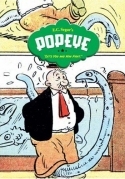
    After the untimely death of E.C. Segar only a few years into the life of his immensely popular strip “Thimble Theater”, the strip and its breakout star, Popeye The Sailor, were guided by Segar assistant Bud Sagendorff for over 40 years. But in 1986, King Features Syndicate was faced with having to find a replacement for Sagendorff, and they turned to a seemingly unlikely candidate – Playboy and National Lampoon cartoonist Bobby London. But they couldn’t have found a better choice, as you’ll experience for yourself in Popeye: Classic Newspaper Comics Volume One – 1986-1989 (IDW, $39.99 SRP), which collects the first half of London’s all-too-brief tenure of reinvigorated tales of the spinach-fueled sailorman and his eclectic supporting cast.

    blankguide.gif

    There have been many books that purported to present the definitive history of the original Star Trek. Much like Roshomon, many presented a perspective on the show’s genesis. But we’ve finally got the overview that incorporates all of those memories plus original memos, documents, and interviews and places them in a comprehensive context – These Are The Voyages (Jacobs Brown, $29.95 SRP), of which the second volume of what will eventually be a trilogy, each focusing on a season of TOS, is now available. Author Marc Cushman has done the if not impossible, then very nearly improbably feat of remaining neutral while presenting the facts, tales, anecdotes, and recollections behind one of the most enduring pop phenomenon of the 20th century – and beyond.

    blankguide.gif

    Coming fast and furious is an understatement when it comes to just how quickly the new direct-to-video animated DC Comics films have been hitting, as the latest comic book adaptation – Son Of Batman (Warner Bros., Rated PG-13, Blu-Ray-$24.98 SRP) – makes its debut. Based on the graphic novel Batman And Son, it finds the Dark Knight surprised by the revelation that he has a young son with Talia, the assassin daughter of his enemy Ra’s Al Ghul. With the League of Assassins and Deathstroke on the tail it’s not a bib surprise to find that Batman’s son Damian soon becomes the next Robin. Bonus materials include featurettes, a quartet of cartoons, and a sneak peek at the next animated feature Batman: Assault On Arkham.

    blankguide.gif

    Rescued from the mists of time, the classic newspaper strip adventures of the man of steel and the dark knight detective continue with Superman: The Silver Age Dailies 1961-1963 (IDW, $49.99 SRP) and Batman And Robin: The Silver Age Dailies And Sundays 1966-1967 (IDW, $49.99 SRP), which is the first of three volumes collecting the strip that was relaunched to coattail the success of the TV series. Oh, and while you’re at it, pick up the deluxe Superman: Sunday Pages 1943-1946 (IDW, $49.99 SRP), which are presented in all of their large format glory.

    blankguide.gif

    It’s odd to think they’ve been around for two decades, but that’s exactly the anniversary that’s being celebrated with the lavish and massive Art Of Dreamworks Animation (Abrams, $50 SRP). Of course, those first 10 years were filled with plenty of duds, from Prince Of Egypt to Shark Tale, but in recent years they’ve become a more surefooted powerhouse with the likes of their masterpiece How To Train Your Dragon. Explore it all with copious artwork and behind-the-scenes context with this tome.

    blankguide.gif

    In an age of ridiculous denial, Phillipe Squarzoni’s Climate Changed (Abrams Comicarts, $24.95 SRP) proves yet again the power of visual storytelling, as it presents the complicated science behind climate change in a streamlined, easily digestible fashion that hopefully even the simple-mined climate change deniers can understand. If not, well, there’s always puppets.

    blankguide.gif

    When you watch the virtually Shirley-less eighth and final season of Laverne & Shirley (Paramount, Not Rated, DVD-$39.98 SRP), you understand that it was only right and proper and merciful to end the series, as the magic of the show relied entirely on the dynamic between Cindy Williams and Penny Marshall, and once Williams left, well, best to end it all. Bonus materials include original episode promos and a gag reel.

    blankguide.gif

    Somehow, an entire decade has flown past, so do yourself a favor and celebrate the 10th anniversary of Napoleon Dynamite (Fox, Rated PG, Blu-Ray-$19.99 SRP) with a new high-def special edition packed with audio commentaries, outtakes, deleted scenes, featurettes, auditions, promos, and more.

    blankguide.gif

    It’s certainly a long way from even the limited 80’s quality of G1 cartoon, but completionists will still want to pick up Transformers Energon: The Complete Series (Shout Factory, Not Rated, DVD-$44.99 SRP), which collects all 51 episodes.

    blankguide.gif

    So there you have it… my humble suggestions for what to watch, listen to, play with, or waste money on this coming weekend. See ya next week…

    -Ken Plume

    ##

  • Weekend Shopping Guide 4/22/11: It’s Your Speech, Charlie Brown

    weekendshopping.png

    The weekend’s here. You’ve just been paid, and it’s burning a hole in your pocket. What’s a pop culture geek to do? In hopes of steering you in the right direction to blow some of that hard-earned cash, it’s time for the FRED Weekend Shopping Guide – your spotlight on the things you didn’t even know you wanted…

    (Please support FRED by using the links below to make any impulse purchases – it helps to keep us going…)

    I had worries that The King’s Speech (Anchor Bay, Rated R, Blu-Ray-$39.99 SRP) wouldn’t live up to all of the kudos that had been thrown its way, but I was pleasantly surprised to find a genuinely enjoyable cinematic experience about a very personal struggles of a very private figure, held together by a genuinely stellar cast. Bonus materials include a behind-the-scenes featurette, a cast and director Q&A, and a look at the history behind the story.

    thinkgeek-01.jpg

    Yeah, I love me some novelty cameras, and the Midnight Shot NV-1 Night Vision Camera ($129.99) is certainly a novelty camera. As you’ve probably already begun to suspect, besides taking decent 5MP regular photos, it also allows you infrared night vision shots, which is pretty darn snappy. Is the novelty worth it? If you want to be able to take night vision shots at a reasonable price, yes.

    thinkgeek-02.jpg

    It’s an embarrassment of riches from the fine folks at Fantagraphics as they deliver not one, but two fantastic comic collections for aficionados to dive into. Not only do we get the 15th volume of The Complete Peanuts (Fantagraphics, $28.99 SRP) covering the years 1979-1980 and featuring an intro from Al Roker, but we also get the 5th volume of EC Segar’s Popeye (Fantagraphics, $29.99 SRP), Wha’s A Jeep, which introduces us to the magical Jeep. Both volumes? Brilliant.

    blankguide.gif

    Five years after Hurricane Katrina, Spike Lee returned to New Orleans for a follow up to his documentary When The Levees Broke. The equally powerful return is documented in If God Is Willing And Da Creek Don’t Rise (HBO, Not Rated, DVD-$24.98 SRP), which finds the still depressed community facing the consequences of the BP Oil spill while still trying to keep the spirit of NOLA alive. Bonus materials include an audio commentary and additional interviews.

    blankguide.gif

    The arrival of the Handmade Films library in high definition continues with both a hard-bitten action flick and farce – Neil Jordan’s Mona Lisa, starring Bob Hoskins & Michael Caine, and Alan Bennett’s A Private Function (Anchor Bay, Rated R, Blu-Ray-$17.98 SRP each), starring Michael Palin & Maggie Smith.

    blankguide.gif

    Not only great films make it to Blu-Ray – sometimes you get catalogue releases like the one-two punch of Mortal Kombat & Mortal Kombat: Annihilation (Warner Bros., Rated PG-13, Blu-Ray-$19.98 each). Bonus features are limited to a video game trailer and the theatrical trailer.

    blankguide.gif

    MGM cranks up their on-demand program (similar to the programs already in place over at Warners and Universal) with a clutch of obscure catalogue titles including an early turn from William Shatner in The Explosive Generation (MGM, Not Rated, DVD-$19.98 SRP), Gregory Peck in Billy Two Hats (MGM, Rated PG, DVD-$19.98 SRP), The Great Cathouse And Cathouse Thursday (MGM, Rated PG, DVD-$19.98 SRP), Eric Roberts in The Ambulance (MGM, Rated R, DVD-$19.98 SRP), Maximillian Schell in Return From The Ashes (MGM, Not Rated, DVD-$19.98 SRP), and the Edgar Allan Poe-based Buried Alive (MGM, Rated R, DVD-$19.98 SRP).

    blankguide.gif

    I’m sure that the Jack Black-starring bastardization of Gulliver’s Travels (Fox, Rated PG-13, Blu-Ray-$39.99 SRP) is exactly what Jonathan Swift had in mind when he wrote his 18th century political and social satire, urine jokes and all. The Blu-Ray edition sports a clutch of featurettes, deleted scenes, and a gag reel.

    blankguide.gif

    Take another show off the uncompleted list as the 6th & final season of The Fresh Prince Of Bel-Air (Warner Bros., Not Rated, DVD-$29.98 SRP) arrives, sporting all 24 episodes including the memorable blooper episode. You know you want to spend one last bit of time with James Avery.

    blankguide.gif

    If all of that story and character just seemed like filler to you, you’ll probably want to pick up Glee: Encore (Fox, Not Rated, Blu-Ray-$29.99 SRP), which boils the show down to just the music performances from season 1.

    blankguide.gif

    While Sideshow Collectibles has been doing quite good work with their 12″-scale Star Wars figures over the years, sometimes one of their pieces stands head and shoulders above that already-stellar work into the realm of sublime recreation, closely matching its onscreen counterpart. Such is the case with their 12″ Gamorrean Guard ($199.99), which features not only a perfect sculpt of Jabba’s piggish brute, but also an expertly tailored leather and fur costume. A brilliant piece.

    weekendpicks20110422-11

    weekendpicks20110422-12

    So there you have it… my humble suggestions for what to watch, listen to, play with, or waste money on this coming weekend. See ya next week…

    -Ken Plume

    ##

  • Comics in Context #240: Wimpy in Love

    comicsincontext4.jpg

    # 240 (VOL. 2 #12): WIMPY IN LOVE

    cic-wimpy-01In his introduction to one of Fantagraphics Books’ earlier set of volumes reprinting E. C. Segar’s Popeye comic strips, comics historian Rick Marschall argues that Popeye’s supporting player J. Wellington Wimpy is a “scoundrel” with a “lack of conscience” who can and does “betray” everyone. But in reviewing the Sunday strips in Volume 3 of Fantagraphics’ current series of Segar Popeye reprints, I’ve discovered that Wimpy is more complex than that. He does indeed have a conscience, though it is repeatedly overwhelmed by his animalistic appetite for hamburgers.

    There are a month of 1933 Sunday strips about Popeye’s boxing match with the enormous Bullo Oxheart, in which Wimpy acts as referee, though he keeps being distracted from the fight by his efforts to mooch a meal off a friend, Eddie, who is sitting in the audience off-panel. But Popeye is the central character of this sequence of Sundays, each of which Segar uses to underline how “the well known weed called spinach” boosts his strength. Indeed, at this point Popeye’s strength has clearly reached superhuman levels. At the end of the June 18, 1933 strip Popeye, with apparent ease, lifts an entire house up from its foundation. “”ËœSa good thing I been eatin’ spinach lately,” Popeye comments, laughing. In the June 25, 1933 strip Popeye commends a boy who yells “I want spinach!” so Segar may be emphasizing spinach to induce his younger readers to follow their hero’s example. Popeye has become a role model, whereas Wimpy decidedly has not.

    After winning the fight, Popeye tells Wimpy in the July 16, 1933 strip that he intends to donate half of the prize money “to a institution wich’ll buy spinach and cod liver oil for poor kids.” Wimpy asks him “Pardon me for being so personal, but how does it feel to give away money like that?” Note Wimpy’s unusual level of politeness here. He seems genuinely intrigued by Popeye’s generous nature, and has enough insight to recognize that this is a very personal matter to the sailor. Wimpy’s politeness may also be another sign that he genuinely regards Popeye as his friend.

    When Popeye asks him, Wimpy implies that he has never given away anything himself. (For the purposes of this particular Sunday strip Segar has intentionally or not ignored the earlier sequence in which Wimpy selflessly gave his mother thousands of dollars.)

    Though he isn’t articulate in a conventional manner, Popeye’s way with language has its own sort of vivid poetry. Popeye tells Wimpy that “Givin’ charity makes ya feel swell inside. . .It’s hard to explain, but right now I got tickles in me chest wich tells me I done sumpin wort’ while, see?”

    Surprisingly, Wimpy decides to experiment: he says he has a dime (an unusual occurrence for him) and will use it to buy a hamburger for an impoverished man sitting at the counter in Rough-House’s diner. (Now there’s a sign of how much inflation there has been since 1933!) There is no reason to doubt Wimpy’s sincerity: he could easily buy a hamburger for himself instead. Moreover, Wimpy’s portly build is evidence of his continual success in feeding himself. In contrast, the thin stranger sitting at the counter has his tongue hanging out; Wimpy notes that this is a symptom of starvation. Indeed, the stranger seems genuinely to be in a sad state: “I have no money and no friends,” he tells Wimpy, and “I haven’t had a bite for days.” Keep in mind that this is 1933, so the stranger may very well be intended as a victim of the Great Depression.

    Wimpy puts his hand on the stranger’s shoulder, tells him, “You may not have money, but you have a friend. J. Wellington Wimpy is your friend,” and orders a hamburger for him. Again, there is no reason to doubt Wimpy’s sincerity at this point.

    But matters change when the hamburger arrives. Holding the burger, Wimpy begins snapping his teeth furiously, like a wild animal. Yet he simultaneously speaks in a calm tone, as if he were dispassionately observing his own behavior: “Isn’t it odd how my teeth snap at it? I have to hold it with both hands to keep it from going into my mouth.” He speaks as if the hamburger would force itself into his mouth if he didn’t stop it.

    It’s also as if Wimpy’s appetite, his animal nature, is at odds with his conscious mind and better nature, as if he has a kind of split personality. Since Wimpy is a variation on the archetype of the glutton, it should be no surprise which side of his personality wins. The surprise lies in how quickly and completely that battle is won. Distraught, his tongue hanging out once more in hunger, the stranger asks his newfound friend, “Didn’t you buy that hamburger for me?”

    Expressionless as usual, Wimpy replies, “I beg pardon? What’s the name, please?” It sees that Wimpy is pretending not to know his new supposed friend in order to keep the burger for himself. But is it possible that the gluttonous side of Wimpy’s personality has submerged his weaker, charitable side, and that Wimpy has to some extent actually forgotten about his promise to feed his starving acquaintance? Wimpy’s conscience had briefly awakened, but once he is exposed to the presence of a hamburger, his hunger proves dominant. Wimpy’s id overrules his superego.

    Then Wimpy begins licking the hamburger with his tongue. In part this may be to partially satisfy his hunger, but it may also be that the trickster aspect of Wimpy is surfacing. Now he has an excuse for not giving the hamburger to the stranger, but the starving stranger says he still wants it. “What kind of fellow are you, anyway?” Wimpy asks, acting shocked at what he clearly considers the starving man’s loose attitude towards hygiene.

    Once again putting his hand on the stranger’s shoulder, as if reverting to his former attitude of friendliness, Wimpy says he will just take one bite of the burger and then give it to him. Perhaps Wimpy still means to be generous, by his own standards, but then he opens his mouth wide, devours virtually the whole burger in a single bite, and hands the stranger what amounts to a mere scrap.

    This wouldn’t be funny if the stranger were left to starve, but the genuinely generous Popeye gives him some money. Popeye scowls disapprovingly at Wimpy, who says, as if nothing had gone wrong, “I don’t know whether it was the bite of the hamburger or the charity–but I feel very lovely inside.”

    I like Wimpy’s use of the word “lovely.” Popeye says two Sundays later about Wimpy that “No use gettin’ mad at him–he jus’ don’t know no better.”

    When his mother came to visit, Wimpy’s conscience and sense of shame did overrule his usual greed for food. But ordinarily Wimpy doesn’t have an ordinary kind of conscience; he sees nothing wrong in mooching food from his friends, or starving strangers, or anyone else. He idealizes food, especially hamburgers, so satisfying his hunger is to him “lovely.” Perhaps Wimpy also finds it “lovely” to exercise his trickster skills in procuring food; mooching is his talent, his vocation, and perhaps even his artform.

    In the July 23, 1933 strip Wimpy goes to the aquarium “for some relaxation,” and Popeye comes along. While Wimpy distracts a guard with chitchat, he surreptitiously hooks a fish in a tank behind his back; Wimpy then smuggles the fish out of the aquarium in the back of his pants. Was Wimpy lying to Popeye when he said his goal at the aquarium was “relaxation”? Maybe Wimpy does find employing his trickster skills in this way relaxing, just as other people do fishing where it’s legal to do so. It’s notable, too, that Wimpy ends this strip by inviting Popeye to dine on the fish with him. After all, Wimpy does indeed seem to regard Popeye as his friend, although he also wants Popeye to supply the tartar sauce for dinner himself.

    So far Popeye feels both disgust and amusement at Wimpy’s mooching ways. But now Wimpy, surprisingly, becomes an antagonist to Popeye. Just as Wimpy does not allow friendship to get in the way of his quest for burgers, it is no barrier to his sex drive, either. You might have thought that Wimpy had sublimated his libido into his lust for hamburgers, but no. In the July 30, 1933 strip Rough-House has hired a pretty new waitress, who, we learn the following Sunday, is named Lucy Brown. Popeye immediately starts flirting with her, whereupon Wimpy literally comes between them and starts chatting with her himself.

    In my research on tricksters, I’ve learned that the trickster is typically himself susceptible to being tricked. That may seem unlikely, since tricksters are so clever, but it appears to be true. For example, Superman traditionally thwarts his own trickster nemesis, Mr. Mxyzptlk, by tricking him into saying his name backwards. Perhaps the point is that the trickster can be so confident of his own cleverness that he underestimates his target’s ability to best him at his own game. So here Popeye tells Wimpy he’s wanted on the phone, and Wimpy not only believes him, but says hello into the phone over and over again before finally giving up. Apparently it never occurred to Wimpy that he hadn’t heard the phone ring.

    So Wimpy returns to Popeye and Lucy the waitress. Popeye in effect tells Wimpy to go away, Wimpy turns his back, as if in defeat, and then Popeye proposes marriage to this woman he just met!

    In the Fleischer and Famous Studios Popeye animated cartoons, it is Olive Oyl who often comes off as fickle, switching her affections between Popeye and Bluto. So it is quite a surprise to see from the original Segar comic strips that, early on, at least, it is Popeye who is the fickle one.

    Hearing Popeye propose, Wimpy immediately sees his opportunity, turns around, and simply asks, “How’s Olive Oyl?”, shocking Popeye. Wimpy may not be able to fight the super-strong Popeye physically, but Wimpy can fight effectively with words. Wimpy quickly moves in, bending over the startled Lucy, as if enacting a love scene out of a movie, although Wimpy’s idea of romantic dialogue is distorted by his usual preoccupation: he invites her to duck dinner, adding “You bring the ducks.”

    Then Popeye plays trickster again, advising Wimpy that he has forgotten to put on his pants, and wrapping a tablecloth around Wimpy’s waist. The trusting Wimpy believes Popeye, feels too embarrassed even to look down to see if Popeye is right, and rushes out of the diner. Once again, Popeye’s amusement supplants any anger he may have felt at Wimpy: laughing, he tells Lucy, “I was go’ner ast ya to marry me, but I kin not get serious on account of laughin’ at ol’ Wimpy.” It would seem that Popeye’s attraction to Lucy wasn’t that serious since his amusement at Wimpy proves the stronger emotion.

    At the beginning of the following Sunday strip, August 6, 1933, Wimpy asks Popeye why he won’t let him talk with Lucy Brown. “Is this not a free country?” By Wimpy’s lights, it seems he thinks he merely wants a fair chance to compete for Lucy’s attentions. Alpha male Popeye declares “she’s gon’er be my sweety” and tells Wimpy to “beat it.” (Since this is 1933, neither man considers Lucy’s opinion about this.)

    So Wimpy seeks out Olive Oyl and tells her that Popeye has a “new sweetheart,” Lucy Brown. You might think that Wimpy intends to get Lucy for himself. But no: sticking his nose literally in Olive’s face, Wimpy declares, “If he don’t want you, I want you.” Having decided “it is time I should take unto myself a wife,” Wimpy is determined to get one, and it doesn’t seem to matter whom. (It does appear as if Wimpy is only going after women whom Popeye has already picked out, as if he considers Popeye a guide in such matters.) But the comics Olive is considerably less fickle than her animated counterpart, and far from being as passive as Lucy: she knocks Wimpy down (So that’s why she’s such a good match for Popeye!) and declares, “I want Popeye and nobody but.”

    Olive races to the diner and angrily confronts Popeye, who, shaken, resorts to the Wimpyesque tactic of denial: “What girl?” Popeye asks, though Lucy is standing right there. Seemingly guilt-ridden, Popeye pleads the Fifth Amendment, but Wimpy urges Olive, “Let’s you and her fight”: maybe Wimpy considers two women fighting to be a turn-on. He soon gets his wish, and Popeye, seemingly forgetting his rivalry with Wimpy, asks him to help break the fight up but each taking hold of one of the women. Perhaps showing his true loyalty, Popeye grabs Olive, and advises her not to start fights; Olive looks bewildered and distraught, now that she’s coming out of her fit of rage. And then both Popeye and Olive discover that Wimpy not only took hold of Lucy but now has clasped her in his loving embrace, as he radiates cartoon hearts. He’s back to fixating on Lucy as his sweetheart. (Lucy looks somewhat annoyed.)

    But on the following Sunday, August 13, 1933, we learn that Popeye is now conducting a clandestine romance with Lucy. Back to treating Wimpy as his friend, Popeye asks him to act as if Lucy is Wimpy’s girlfriend if Olive Oyl turns up. This is a big mistake. Olive does indeed turn up at the home of Lucy and her father, whereupon Wimpy, radiating more cartoon hearts, begins cuddling Lucy. But whenever Olive attempts to leave, Wimpy persuades her to stay. So Wimpy gets to cuddle Lucy for hours, until Olive finally leaves at midnight. “Popeye, you are, indeed, a fine fellow,” says Wimpy. “There aren’t any men who’d allow me to pet their sweeties.” Possibly Wimpy is just trying to placate Popeye. But it also seems quite possible that Wimpy sees nothing wrong with manipulating the situation with Lucy and Olive and that he genuinely considers Popeye to have shown generosity in letting him hug Lucy for hours. (Again, Lucy’s own opinions are not consulted.) But this time Popeye erupts in rage, punches Wimpy in the jaw, and throws him out the window. And thus begins a series of Sundays in which Segar physically punishes Wimpy for his trickery.

    But in the following Sunday strip, for August 20, 1933, Wimpy is back to mooching food from Popeye. Wimpy keeps calling him. “Old pal of mine,” but Popeye, perhaps reacting to the last few Sunday strips, angrily refuses to give him any food. But then Popeye holds up a potato, which appears to have two eyes and a nose, and Wimpy claims it is the image of his late Uncle Hymie. Breaking down in tears, Wimpy goes on and on about what a wonderful man Uncle Hymie was. “Surely you would not eat that potato,” Wimpy says. Popeye, now in tears himself, agrees to give Wimpy the potato as a memento of his uncle. The final panel finds Wimpy sitting under a tree, eating the potato: “‘Tis a pity that I have no gravy to put upon Uncle Hymie.”

    The simplest interpretation of this episode is that Wimpy was simply conning Popeye out of the potato and made up the whole Uncle Hymie story. But I’ve come to think of Wimpy as a complex, ambiguous figure. I think it is entirely possible that Wimpy did have a beloved Uncle Hymie and was genuinely moved to tears by his memory, but that still would not stop Wimpy from devouring a potato that looked like his dead uncle. As usual, Wimpy’s appetite overrules his emotions.

    Wimpy referees Popeye’s next prize fight in the Sunday strips, which is noteworthy for the way that Popeye’s opponent literally twists Popeye’s body out of shape, but without causing him any real harm, in a further display of Popeye’s superhuman power.

    In the September 17, 1933 Sunday strip, Wimpy returns to the aquarium, having accepted Rough-House’s bet that he can’t catch another fish there. This time Wimpy has overreached, perhaps because he is trying to win a wager. He hooks an eel, which slithers in and out of his pants, in a weirdly phallic gag (which is shown on the cover of Popeye Vol. 3). The guards see this, and they start kicking Wimpy. It’s as if Segar now feels that Wimpy can’t always get away with his trickery, even though these punishments don’t deter Wimpy at all.

    Just how far will Wimpy go in the service of his appetite? In the September 24, 1933 strip Wimpy tries his usual mooching tricks on Popeye, Rough-House, Geezil and other diner customers, who all furiously refuse. Unperturbed, Wimpy starts reading the paper and then, uncharacteristically, his eyes go wide. Then, even more uncharacteristically, he punches Geezil in the face. As a policeman arrives, Geezil reacts with his usual angry bluster (“Could he smush me in the schnozzle? Could he? Could he? COULD HE?). But after Wimpy hits the policeman too, Wimpy is taken to jail. And then Rough-House, Popeye and Geezil see what Wimpy read in the newspaper: hamburgers are now on the jailhouse menu. Wimpy has exchanged his own freedom for a steady supply of burgers!

    By the following Sunday, October 1, 1933, Wimpy has regained his freedom. So how can his appetite drive him still further? Wimpy has just inherited a cow, and attempts to trade it to Popeye, who is substituting for Rough-House at running the diner for a day, for hamburgers. But Popeye keeps saying no, even as Wimpy whittles down his request from ten burgers down to one, and keeps calling Popeye, with increasing emphasis, “old pal of mine.” Nothing works, and for once Wimpy, despite his deadpan demeanor, seems desperate. Finally Popeye agrees to lend Wimpy some bread, an axe and some kitchen utensils. After Wimpy leaves Popeye says, “I kin not help feelin’ sorry for ol’ Wimpy” and leaves to invite him to have a hamburger. But it is too late. In the final panel Popeye is so surprised, perhaps shocked, that he levitates off the ground. Wimpy has killed and butchered the cow, whose head lies grotesquely on the ground, and turned its body into a tall mound of hamburgers! Of course we all know that hamburgers are made from dead cattle, but it’s still startling, and even macabre, that Wimpy would kill the cow himself and grind it up into food.

    Segar must have liked the idea of Popeye running Rough-House’s diner in this Sunday strip, because on the following Sunday strip he and Olive open their own cafe. But after the first month of this new storyline, Wimpy reclaims center stage. When Olive gets sick, Popeye hires Wimpy to fill in for her as a waiter. Initially, Wimpy resolves to do the right thing, even when serving a hamburger steak to a customer: “Get behind me, Satan. . . it is my duty to deliver this bit of beef to our patron.” But once again, the id of Wimpy’s appetite overwhelms the superego of his conscience. He talks the customer into thinking the hamburger is infected with bugs, and after the shaken patron leaves, Popeye lets Wimpy eat the steak. “He is, no doubt, a peculiar person,” Wimpy tells Popeye about their lost customer. In this case Wimpy is clearly, consciously deceiving his “old pal of mine.”

    Popeye’s charitable feelings towards Wimpy have resurfaced, and the following Sunday, November 12, 1933, Popeye gives Wimpy a tryout for a job as a waiter, but this time carefully keeps an eye on him. Wimpy again tries to do the right thing, repeating his “Get thee behind me, Satan” mantra while bringing a hamburger to a customer. But once again, when one side of Wimpy consciously resists his hunger, his unconscious forcefully emerges, and he finds himself instinctively snapping his teeth at the burger and then devouring it, seemingly in one gulp. “Sorry, sir, I’m indeed sorry this had to happen,” Wimpy says, and he may indeed mean it. Wimpy tries to bring him another burger, but says, “Heavens! I feel that great desire again–the urge to gobble it down!” Is Wimpy putting on an act, or is he in the grip of a comedic but real addiction to food? He gobbles this burger, too. Finally, the disgruntled customer fetches his own burger, whereupon Wimpy hurls a pot at him, knocking him out. “A hundred percent,” says Wimpy, holding the burger; “Not a single one got away from me.” Watching all of this, Popeye confesses, “I kin not bawl “Ëœim out on account of laughin’.”

    But by the following Sunday, Popeye has grown so angry at Wimpy’s mooching that he pays a policeman to put him in jail. “It isn’t right to treat poor old Wimpy that way,” says Olive. “Shame on you, Popeye.” But Popeye goes down to the prison to literally laugh in Wimpy’s face.

    Then Wimpy begins weeping: “You laugh at my sorrow. You hurt me.” As Wimpy goes on, talking about his mother, and about how “life hasn’t been very kind to me,” Popeye finds himself weeping in sympathy, and finally bails Wimpy out of jail. Wimpy expresses his gratitude to “my friend” and then resumes trying to mooch a hamburger from him. Once again the reader may wonder to what extent Wimpy is consciously manipulating Popeye’s emotions and to what extent Wimpy’s sadness at being “hurt” by a friend is real. My hypothesis is that both possibilities are true and that they coexist. I suspect that Wimpy’s stoic, expressionless demeanor covers real pain over his poverty and loneliness. Popeye may be Wimpy’s dupe, but he also really is Wimpy’s only friend.

    Segar’s exploration of Wimpy’s character reaches a climax with the November 26, 1933 Sunday strip, the last in this volume. Popeye’s friend Bill Squid bets Popeye that Wimpy would “choke his grandmother for a hamburger.” Despite Popeye’s disgust and even cruelty towards Wimpy in past strips, Popeye seems more naturally to look on the bright side, and contends that Wimpy has “good qualities, too.” Popeye even tells Wimpy, “ever’body seems to be down on ya an’ tha’s why I got sympthity for ya–I yam always for the underdog.”

    Popeye goes so far as to dress up as an old lady and pose as Wimpy’s grandmother, whom Wimpy hasn’t seen in thirty years. Bill is amazed that Wimpy cannot see through Popeye’s obvious disguise (“Is he dumb?”), but Wimpy is a trickster who is easily susceptible to being tricked.

    As Wimpy’s grandma, Popeye sits down to eat a hamburger. Wimpy flatters her and asks for a “bite” of the burger but “she” says no. Then Wimpy begins snapping his teeth at the burger, and “Grandmother” is outraged that Wimpy has “absolukely no self-control.” Thwarted again, Wimpy goes further than we’ve seen before in this book and, yes, actually begins choking his “grandmother.” His id is in full control: Dark Wimpy is unleashed. “Grandmother” rebukes Wimpy, who begins weeping with shame: “I’m sorry! Heavens! What did I almost do?” But his dark side overwhelms Wimpy again: he snaps at the burger, jumps on “grandmother,” demanding the burger: “Curse you, grandmother!” The disguised and disgusted Popeye finally stops Wimpy by hitting him.

    However rough and violent in his manners, Popeye is an idealist and a true hero who adheres to and enforces his code of morality. Wimpy is neither hero nor idealist, but a flawed man driven by his natural drives, notably his appetite. Yet somehow they belong together as a team, like the similar pairings of Cervantes’ Don Quixote and Sancho Panza, or Tamino and Papageno in Mozart’s The Magic Flute.

    And in the grand finale to my Wimpython, I will turn to the renowned “Plunder Island” storyline in Fantagraphics’ Popeye Vol. 4, in which the team of Popeye and Wimpy faces its ultimate test when both confront the strip’s archvillainess, the Sea Hag.

    Warning to my faithful readers: I am in the process of moving from New York City back to my home town near Boston. So there may be a week or two when I won’t be posting a new “Comics in Context.” But rest assured that once I have Internet access set up at my new home, “Comics in Context” will be back!

    Copyright 2010 Peter Sanderson

    Follow me on Twitter (@PeterJSanderson) and at Facebook Comic Con.

  • Comics in Context #238: Popeye vs. Wimpy

    comicsincontext4.jpg

    # 238 (VOL. 2 #10): POPEYE VS. WIMPY

    cic-wimpy-01In his newspaper strip Thimble Theatre, which starred his creation Popeye, E.C. Segar realized that the comedy would work better if his own trickster, J. Wellington Wimpy, had formidable opponents to overcome. As I mentioned weeks ago, one of my problems with Hanna-Barbera’s Top Cat as a trickster is that his schemes often seem too transparent, and his targets too gullible, to be convincing.

    Lately I have been exploring the Sunday strips in Fantagraphics Books’ Popeye Volume 3 collection, most of which center on Wimpy and his continuing efforts to mooch hamburgers from his friends and neighbors.

    Typically Wimpy uses his trademark lines in mooching food, like “I will gladly pay you Tuesday for a hamburger today,” or inviting someone to a duck dinner, adding “you bring the ducks.” Moreover, Wimpy repeatedly goes after the same targets–Popeye, Rough-House, George W. Geezil–who are to different degrees exasperated with his mooching, and determined to resist it. But Wimpy nevertheless succeeds in eating every day. Segar indicates that Wimpy actually has an inexhaustible bag of tricks.

    In the Sunday March 19, 1933 strip cafe owner Rough-House convinces Popeye that “you’re wasting your time trying to reform Wimpy.” As they complain about Wimpy, in comes a stranger with glasses and a thick black mustache, as well as a familiar build and outfit, who orders a porterhouse steak. He agrees with Popeye and Rough-House about Wimpy (“”ËœTis a pity they did not drown him when a pup.”). Rough-House is delighted with his new customer and boasts, “Here’s one guy he [Wimpy] can’t work.” Popeye likewise overreaches, becoming egotistical: “It’s the bad eggs which makes us real folks shine.” But when the new customer says he forgot his wallet and will pay Rough-House Tuesday, Popeye and Rough-House finally see through Wimpy’s disguise, and Popeye has to restrain Rough-House, who seems to be in a berserker rage, from severing Wimpy’s head with a cleaver!

    But on the following Sunday, March 26, 1933, Rough-House’s customers are laughing at how Wimpy fooled Rough-House and Popeye with his disguise. Rough-House says if Wimpy tries that stunt again, “I’ll half-murder him.” The angered Popeye, who says he hates “gettin’ hoomiliated,” says he’ll help Rough-House. In comes a man with glasses, a long white beard, and a build and outfit like Wimpy’s, and Popeye and Rough-House grab him. Again losing control of his temper, Rough-House even tries to use the cleaver on him. Then in walks Wimpy, who asks, simply, “My friend, why are you pulling the old man’s whiskers?” To his credit, Popeye erupts into laughter and says, “Aw, forget it, Rough-House. Ain’t ya got no sense o’hoomer?” But today Rough-House doesn’t, and he grimaces in fury. Wimpy meanwhile maintains his usual deadpan calm. Wimpy’s control of his emotions and usual calm contrast favorably with Rough-House’s inability to keep his cool and murderous but infantile rages. It is a point in Popeye’s favor that his resentment of Wimpy and self-centered sense of humiliation are outweighed by his appreciation of the humorous side of life. He simply can’t stay angry at Wimpy.

    So in the Sunday, April 2, 1933 strip Popeye takes his revenge on Wimpy in a humorous way, giving Wimpy a fake hamburger made of rubber. Popeye, Rough-House, and other cafe customers burst into laughter. But Wimpy remains dignified and serious throughout. When Popeye gives him the “burger,” Wimpy says, “I am very. very hungry. You have saved my life.” Surely Wimpy wasn’t literally on the point of death, but he has just reminded Popeye and us that he does need to eat to live. Oddly, Wimpy does not notice that he is eating rubber, not meat: “Again, I have lived. . .again, I have tasted of heaven.” It’s not just that Wimpy needs to eat hamburgers to survive; he is a kind of connoisseur of hamburgers, who likens them to “tasting” of “heaven.” It’s as if his idea of hamburgers–his idealization of them–is more important than the reality. Rough-House, Geezil, and the other customers are disgusted that the prank failed and that Wimpy “didn’t even know the difference” between a real burger and the fake. “Where’s the joke?” asks one customer, and he has a point. The strip ends with Wimpy profusely praising Popeye, telling him that out of millions of people, “you are the only one who buys for me hamburgers,” and that is true. Popeye looks angry and uncomfortable, and perhaps feels guilty over playing this misfired prank on someone who actually does regard him as his only friend.

    This Sunday strip also suggests that Wimpy has a certain degree of obliviousness to the bad side of life. As I’ve noted before, Wimpy is very much an optimist, living in hope, and seemingly it does not occur to him that Popeye, whom he considers a friend, would play a prank on him. It is tradition that a trickster is himself capable of being tricked. But Wimpy’s obliviousness serves him as a shield. Even when he is fed the rubber burger, he seemingly doesn’t realize he has been tricked.

    Arguably, Rough-House is a much bigger problem than Wimpy. The April 9, 1933 Sunday strip opens with a close-up of Rough-House, his teeth bared, perspiring, growling in rage as if he were a wild animal. Popeye’s concern over Rough-House (“he’s almost crazy”) again shifts his sympathies against Wimpy. Rough-House really needs psychiatric help at this point, but Popeye lets himself be persuaded by Wimpy’s foremost nemesis, George W. Geezil, that “What he [Wimpy] needs should be chasing from town.” And so, amazingly, Popeye leas a mob, with Rough-House and Geezil in front, that literally chases Wimpy out of town. Significantly, Wimpy cannot believe that this is happening to him: “They must think I’m somebody else!” One of the mob gloats, “We scared him plenty.” But Wimpy, with his usual deadpan dignity, simply follows them back to town, unobserved until they get back to Rough-House’s cafe and he orders a burger. He’s like a loyal dog that returns to its master even after being mistreated. This is Wimpy’s way of not giving up: he simply refuses to acknowledge defeat, or even that people dislike him.

    By the following Sunday, April 16, 1933, Rough-House has suffered a nervous breakdown. So obsessed is he with Wimpy, that Rough-House furiously repeats Wimpy’s catchphrases. Popeye and others visit the hospital and bring Rough-House flowers. “When a man gets sick,” Rough-House observes, “he soon learns who his real friends are.” But then Wimpy comes in, offering a wild flower, “with all good wishes.” Rough-House faints, and, perhaps shockingly, Popeye and Rough-House’s other visitors beat Wimpy up off-panel. Wimpy, needing to recuperate, commands Rough-House to “move over” but then becomes is concerned for his antagonist (“Why, the poor man has fainted.”) and lies next to him in bed, comforting him. It is very revealing that Wimpy cares more about Rough-House’s state than his own pain. Perhaps this is partly another side of his characteristic obliviousness to misfortune: he is ignoring his own pain. But Wimpy is genuinely concerned for Rough-House. This can’t be an attempt to con Rough-House, because Rough-House is unconscious. It seems that Wimpy regards even Rough-House as a friend, or at least as a potential friend, and is consciously or unconsciously ignoring the fact that Rough-House hates him. There’s a sort of innocence to Wimpy, as if he can’t believe that the victims of his mooching resent him.

    The following Sunday strip, April 23, 1933, addresses the question of just how unconscious Wimpy is of opposition towards him. Still in the hospital and still seething, Rough-House complains that Wimpy “ain’t got sense enough to know that he’s the cause of my nervous breakdown.” So Popeye confronts Wimpy, who is bringing another flower to the man Wimpy calls “my old friend Rough-House.” Popeye threatens to hit Wimpy if he doesn’t stop, and then turns his back on Wimpy, not expecting what happens next. Neither, probably, do the readers. Wimpy hits Popeye from behind with a boulder, actually knocking the superhuman sailor down. Then, though Wimpy retains his calm, deadpan look, he points his finger, as if instructing Popeye, and speaks words that are lettered larger and darker than usual, suggesting that he is speaking with more emphasis, and more loudly, than usual. “And now, my friend,” Wimpy states, “I am going to the hospital.” Wimpy is clearly aware that Popeye is opposing him, and has proved he will take violent measures to get his way. Wimpy is insistent on carrying out his mission of charity. It’s also important that Wimpy, though speaking emphatically, remains civil in what he tells Popeye, and even calls him “my friend.” I believe that Wimpy is indicating that although he had to employ violence, he would prefer that he and Popeye stay at peace, and that he even continues to regard Popeye as a friend. Indeed, Wimpy even seems to be trying to will Popeye to remain his friend, despite their dispute. It doesn’t work, and Popeye beats Wimpy, on panel, so badly that Wimpy is hospitalized. But Wimpy nonetheless triumphs; he is put in the bed next to Rough-House’s and offers the flower to Rough-House, who growls in frustrated anger. Again, Wimpy simply does not give up. He will treat Popeye and Rough-House as his friends despite their resentment of him–and despite the fact that he continually mooches from them. Wimpy doesn’t have contempt for the people he tricks into feeding him, but seems to like them–at least Popeye and Rough-House. It’s a little like the way that Bugs Bunny kisses Elmer Fudd: Bugs is another trickster who is fond of the person he tricks. But arguably Bugs is also mocking Elmer with the kiss; Wimpy, in contrast, seems sincere in bringing Rough-House flowers.

    Popeye seems the embodiment of the virtue of charity when he gives away his money to the needy. But even though Wimpy usually takes rather than gives, he is arguably even more purely a figure of charity since Wimpy will treat an adversary like Rough-House with such kindness.

    It seems shocking that the April 30, 1933 strip opens with Popeye, Geezil and others planning to beat up Wimpy so badly as to hospitalize him “for a week.” Rough-House, out of the hospital, urges them on. Wimpy may not be so oblivious to enmity that he comes unprepared. Popeye and the others are charmed by hearing beautiful violin music. When Wimpy walks in, playing the violin, Geezil erupts in rage. But Popeye prefers the music to his own resentment of Wimpy, and beats up Rough-House and the others to keep them from laying a finger on Wimpy. Not only does Wimpy seemingly lack the rages that overcome Popeye, Rough-House, Geezil and the others, but Wimpy is even capable of creating beauty through music.

    In responding to beautiful music, Popeye shows what separates him from other cafe regulars, even though Popeye can be just as violent as they. As Olive Oyl observes in the April 30, 1933 strip, “If music affects you, it shows you have fine sensibilities.”

    In a previous strip Popeye said Rough-House, who so quickly flies into rages at Wimpy, was “too sensitive.” Popeye may be too sensitive in his own way. In the April 30 strip Wimpy is able to change Popeye’s moods and behavior by playing different kinds of music. When Wimpy plays love music, Popeye kisses Olive repeatedly, saying “I kin not help it”; when Wimpy plays dance music, Popeye “got to do that dance.” It’s as if Popeye has become Wimpy’s puppet. But when Wimpy plays “Song of War,” Popeye starts growling, hits Olive, and chases Wimpy to the edge of a cliff. Wimpy turns and saves himself by playing “Hearts and Flowers,” which makes Popeye weep, and then a lullaby to put him to sleep.

    This could be seen as a metaphor for Wimpy’s trickster ability to manipulate other people. But it also demonstrates Wimpy’s command of his own emotions. Rough-House has anger management problems so severe that they risk his sanity. Geezil goes into angry tirades against Wimpy if he merely thinks of him. Popeye proves so susceptible to his emotions that he cannot resist the effects music has on them. But Wimpy remains calm and deadpan, even as he plays the music that affects Popeye so strongly. Again, I’m reminded of Chuck Jones’ cartoons like Rabbit Fire, in which Bugs Bunny, maintaining his cool and calm, easily manipulates not only the violent but stupid Elmer Fudd but also the angry, egotistical Daffy Duck, who so quickly falls prey to his own emotions.

    In the May 14, 1933 strip Segar has Popeye revert to his previous appreciation of Wimpy as a comedic figure. Rough-House has taken a business partner, Mr. Soppy, and goes on vacation, leaving him in charge of the cafe. In fact, this time Popeye even helped Wimpy out by telling Mr. Soppy that Wimpy was “Prince Wellington of Nazilia.” Wimpy was surprised when Mr. Soppy addressed him as “Prince,” but took full advantage of it, conning Mr. Soppy out of a free meal, while Popeye and other customers go into gales of laughter. Popeye is now siding with Wimpy so much that he aids in Wimpy’s con without even being asked! But, as we shall see, Popeye seems more interested in staging comedic situations than in helping Wimpy.

    Wimpy is not only a trickster but a variation on another traditional comedy archetype, the glutton. In the May 21, 1933 strip Wimpy has proved so easily able to con meals out of Mr. Soppy that Wimpy has grown too fat to be able to walk unassisted, so Popeye equips him with a wheelbarrow for supporting his enormous tummy!

    In the May 28, 1933 strip Rough-House returns from vacation, and Popeye encourages him in thinking that the cafe has a prince as a new customer: again, Popeye seems interested in setting up situations for comedy and watching what results, and he laughs in expectation. His face buried in a menu, Wimpy overreaches by not taking a look at who is serving at the counter. When Wimpy finally sees that it’s the angry Rough-House, Wimpy’s eyes widen in surprise and perhaps disbelief. As Rough-House readies to punch him, Wimpy realizes this time he’s caught and puts his hands together in prayer: “Now I lay me down to sleep.” Wimpy tries to talk his way out of the fix, denying his identity, but taken by surprise and flustered, the trickster fails this time, and Rough-House beats him up off-panel, as Popeye seems amused.

    Segar has already shown us that there are limits to Wimpy’s usual psychological and emotional balance. In the June 4, 1933 Sunday strip Rough-House needs to drum up more customers, and Popeye suggests hiring a scientist to devise a formula to increase someone’s appetite so much “a man’ll steal the spinach off’n his own kid’s plate.” Just from that description Popeye and Rough-House should have noticed they were overreaching. Not knowing what it is, Popeye drinks the formula, which pushes Wimpy’s constant hunger beyond his ability to manage it. Wimpy becomes a more frenetic version of himself, shouting, “I’m starving!” With no hamburger available, Wimpy eats fish out of a fish bowl; when Wimpy is on the brink of devouring a cat, Rough-House gives up and gives him food instead. This soothes Wimpy’s inner demons, though eating gets in the way of his ability to talk, as Segar suggests by dropping letters from his dialogue. Wimpy invites Rough-House to a duck dinner, adding, “You ing e ucks,” which looks suspiciously like Wimpy getting something past the censors.

    In the June 11, 1933 strip a man named Rex Bicker arrives to try to get Popeye to fight the boxer he manages, Bullo Oxheart. Spotting a new target, Wimpy introduces himself to Bicker and proceeds to deluge him with a nonstop flood of words. Significantly, one of Wimpy’s tactics is to keep getting Bicker’s name wrong, until finally, Bicker is so dazed and confused by Wimpy’s verbal assault that he forgets his own name, and calls himself “Mr. Jones.” Popeye and Rough-House recognize that Wimpy is setting Bicker up to mooch a hamburger off him and burst into laughter when Wimpy delivers the coup de grace (“Come have a hamburger WITH ME on you.”). Since this time they’re not Wimpy’s targets, Popeye and, surprisingly, Rough-House can laugh at Wimpy’s con artistry, betraying a certain appreciation of his trickster abilities.

    Copyright 2010 Peter Sanderson

    Follow me on Twitter (@PeterJSanderson) and at Facebook Comic Con.

  • Comics in Context #236: Wimpy Redeemed

    comicsincontext4.jpg

    # 236 (VOL. 2 #8): WIMPY REDEEMED

    cic-wimpy-01Next to Popeye himself, J. Wellington Wimpy is the greatest character that cartoonist E. C. Segar created for his Thimble Theatre comic strip. That may surprise those of you who know Popeye and Wimpy basically from animated cartoons. But Wimpy is a character who expresses himself not through action like Popeye–indeed, Wimpy usually remains still and seemingly expressionless–but through dialogue. Aficionados of the Max Fleischer Popeye cartoons of the 1930s and 1940s love the comments that Jack Mercer, the voice of Popeye, seemingly ad libbed in recording the dialogue. (By the way, 2010 is the centennial of Mercer’s birth.) Nevertheless, dialogue is not a strong point of Fleischer cartoons, so it shouldn’t be surprising that they reduced the very verbal Wimpy to a mere moocher of hamburgers. But to read Segar’s comic strips about the character is to continually discover new and surprising layers to Wimpy’s personality.

    A few weeks ago I began critiquing the Sunday strips featuring Wimpy in Fantagraphics Books’ Popeye Vol. 3, which reprints Segar’s Thimble Theatre from the 1930s. One of Wimpy’s catchphrases in the strip is inviting someone to a duck dinner, adding “You bring the ducks.” In the January 15, 1933 strip Popeye is again amused when Wimpy pulls this on Rough-House for the umpteenth time. Enraged, Rough-House challenges Wimpy to a fight. “It’s men like you who start wars and cause the downfall of nations,” replies Wimpy. That seems a rather grandiose claim, but this strip first ran in the 1930s, when World War I was a recent memory and Europe was moving towards World War II, and wimpy may have a point. Befitting his name, Rough-House does want to settle disputes with violence, and he has difficulty controlling his intense rages. Wimpy, in contrast, not only usually avoids violence, although, as we shall soon see, Segar will experiment with Wimpy as a fighter, but will even treat his adversaries as friends: when Rough-House ends up in the hospital in later strips, Wimpy brings him flowers.

    Popeye suggests that Wimpy and Rough-House settle their dispute through a prize fight for charity; presumably Popeye thinks that this will set rules for the fight, and do some good as well.

    Trying to train for the fight, Wimpy proves unable to lift a barbell. Popeye persuades Rough-House to give Wimpy some hamburgers and spinach to eat. “Ya wouldn’t fight a man which is weak from hunger,” says Popeye, providing another indication of the real suffering at the basis of Wimpy’s comedy.

    I keep reading that Segar rarely mentioned spinach as the source of Popeye’s strength in the comic strip. Certainly spinach turns up less frequently than in the animated cartoons, in which part of the formula is having Popeye boost his strength at a crucial point by eating spinach. But I see spinach being mentioned repeatedly in Popeye Vol. 3: even the profits from the Wimpy-Rough-House prize fight are to “go for buyin’ spinach for poor kids.”

    Upon eating the burgers and spinach, Wimpy becomes superhumanly strong, and bounces the barbell off his bicep: tonnage is nothing to me now.” Does spinach make even Wimpy strong like Popeye? (If it works like that on everyone in Popeye’s world, why don’t his enemies eat any?) Or is Segar suggesting that hamburgers are to Wimpy what spinach is to Popeye? Whatever the case, Segar obviously decided this was a mistake and immediately dropped the notion of a super-strong Wimpy.

    So when the prize fight begins in the November 2, 1934 Sunday strip, Wimpy relies not on super-strength but on iron concealed in his boxing gloves. Rough-House has iron in his gloves, too: “You’re just as crooked as I am,” Wimpy observes. Popeye gets rid of their iron, but then Wimpy punches Rough-House from behind. It’s certainly in character for Wimpy to cheat, but it seems odd to see Wimpy acting so violently. Perhaps Segar had once again gone down the wrong road.

    So in the following Sunday strip, January 29, 1933, as the prize fight continues, Wimpy instead leans against a post, faking being hurt. This seems more true to Wimpy’s generally peaceful personality. In fact, by the end of this Sunday strip, we learn that Wimpy has even bet on Rough-House to win the fight.

    Exasperated, Popeye demands that Wimpy fight, and points out that the fight is being broadcast on radio, and that Wimpy’s mother might be listening: “What’ll she think of her boy?” Perhaps unexpectedly, Wimpy begins weeping: again, Segar is showing the pain beneath Wimpy’s clownish facade. “Popeye, I am broken-hearted! I have disgraced the name of Wimpy–do you really think Mother is listening in?” Certainly we have seen that Wimpy is fully capable of lying, but this seems sincere. This Wimpy is not a violent person at all, but “for mother’s sake” he takes a swing at Rough-House, and, to his surprise, knocks him out.

    cic-wimpy-02After the fight, in the February 5, 1933 strip, Wimpy is back at Rough-House’s cafe and, ever persistent, pulls his usual trick of inviting him to a duck dinner, “you bring the ducks.” Furious, Rough-House punches Wimpy, and Popeye, who comments later in the strip that Wimpy is “a frien’ of mine,” retaliates by hitting Rough-House hard. “The trouble with you is yer too blasted sensitiff,” says Popeye. That suggests that Rough-House’s hot temper is due to being overly sensitive, having too little control of his emotions, and that the usually deadpan Wimpy and Popeye are rather stoical in comparison. While Wimpy may not be a violent person himself, he’s something of a voyeur of violence. When Rough-House’s friends object to Popeye hitting him, Wimpy comments, “Let’s you and them fight,” and so they do, as Wimpy settles in for a big burger dinner, served by a woozy Rough-House.

    In that strip Popeye declared that “Rough-House can’t hit Wimpy. . .cause he’s a frien’ of mine.” But by the following Sunday, Feb. 12, 1933, Segar seems to have changed his mind about Popeye’s attitude towards Wimpy. Now Popeye decides, “I guess Rough-House was right.” Popeye criticizes Wimpy to his face for having “no blasted self-respeck.” He continues, “Ever’ man on Eart’ is susposed to do sumpin’ important” but “Yer a hooman flop–ya ain’t got absolukely no egocism. How kin ya have self-respeck without ya got some egocism,” by which, I expect, Popeye means that Wimpy has no ambitions: “Ya wants to be jus’ mediocum,” which means “mediocre” in Popeye-speak. “I ain’t got no sympathy for a loafer–yer lower’n a worm, tha’s what,” Popeye concludes.

    Wimpy characteristically seems immune to insults, whether he consciously ignores them or is oblivious to them. In later strips, no matter how much his nemesis George W. Geezil thunders insults and threats at him, Wimpy remains unmoved. But Geezil deals in empty bluster; Popeye is giving Wimpy a piercing critique of his personality. As a result, Wimpy again begins to weep: “You hurt my feelings,” he says simply. Popeye immediately feels guilty and sorry: “Yer okay. Why, yer a swell guy.” Then Popeye returns to his original attitude to Wimpy at the start of this series of Sunday strips: “When they ride ya, jus’ say “I yam what I yam an’ that’s all I yam.” Of course, that is Popeye’s catchphrase about himself. Not only is Popeye accepting Wimpy, faults and all, but he even seems to be suggesting that Wimpy is like himself, that they are each true to their nature. Popeye and Wimpy end up at Rough-House’s cafe, where Popeye apparently buys him a big dinner, complete with spinach. Wimpy lavishes “my friend” Popeye with praise, inviting him to a duck dinner. “You bring the ducks, Popeye,” Rough-House comments cynically. And yes, Wimpy has once again succeeded in getting someone–Popeye–to feed him. But does that mean that Wimpy was faking when he broke down in tears? He could have been, but I suspect that Wimpy really does regard Popeye as his friend, and was genuinely hurt by his criticism. Remember, Wimpy claims to have no other friends, and, as we saw in the prize fight, Wimpy does seem to have a sense of guilt over being such a passive failure in life.

    In the following Sundays Segar demonstrates that this second interpretation is correct. At the start of the February 19, 1933 strip, Popeye is again sharply criticizing Wimpy, but this time not out of disgust but a kind of tough love: “I ain’t tryin’ to hurt your feelin’s–I’m bawlin’ ya out on account of I wants ya to change yer ways an’ be a man.” Wimpy replies, “But you say such awful things about me.” When Wimpy is conning someone, he uses grandiose, flowery language. The fact that his reply to Popeye is so simply phrased indicates that Wimpy is not pretending here: he really is hurt, and perhaps realizes what Popeye is telling him is largely true.

    Then, surprisingly, Wimpy’s mother, whom he hasn’t seen in fifteen years, arrives. Segar could have drawn her as a caricature, looking like Wimpy in drag, but no, he draws her as realistically as he can, and treats her seriously. She has recently lost the cottage where they lived; this may be an allusion to the Great Depression. Wimpy embraces his mother, and they clearly love each other. To his credit, Popeye will not let Wimpy’s mother know what a failure her son is. “He’s the finest man I knows!” Popeye declares, saying, rather over the top, “He should been a presidink like Georgia Washenting.” But in between those statements Popeye adds what he may truly believe: “I knows they’s good stuff in him.”

    But maybe Popeye doesn’t fully realize how true that is. In the February 26, 1933 a narrator in a caption, presumably voicing Segar’s own beliefs, calls Wimpy “the most complete loafer who ever lived.” But now Wimpy confronts his own guilty conscience over his life: “What will poor Mother think when she learns I’ve amounted to nothing?” Still covering for him, Popeye tells Mrs. Wimpy that he would “trust Wimpy with anything I got,” whereupon Wimpy seizes the opportunity to borrow five dollars from him. Out of Mrs. Wimpy’s presence, Popeye, enraged at Wimpy’s mooching (“I’ll make a man out of him for his mother’s sake or bust his blasted head.”) hits him. But then Rough-House reveals that Wimpy spent only ten cents on a burger and spent the other $4.90 on flowers for his mother. This surprises Popeye, and probably surprises the readers as well.

    It is unusual for Wimpy to give gifts. In the February 12, 1933 strip Popeye had complained to Wimpy that “Yer jus’ like a octopipuss–ya takes what ya kin reach but ya don’t never give nothin’.” Despite his violence, Popeye is the opposite: a highly generous man. In the March 5, 1933 strip Popeye buys a hamburger stand for Wimpy as a means to make enough money to support his impoverished mother. “I don’t do good deeds to get credick,” Popeye explains, “I does “Ëœem on account of they oughter get done.” Perhaps surprisingly, Popeye then reveals that he is religious, but that’s not his motive for charity. “An’ if ya does good deeds jus’ to get yerself a swell seat in heaven, yer selfish. The only reward ya should expeck for doin’ right is the sort of cumfertable feelin’ which ya gets from doin’ it.”

    Running a hamburger stand, though, is the wrong job for a comedy glutton like Wimpy, because he can’t stop himself from devouring all the burgers. Although Wimpy usually has a placid, gentlemanly, even erudite manner, when his hunger overpowers him, he starts acting like an animal. He explains to Popeye that a customer ordered a burger, “but when I tried to hand it to the customer, my teeth would snap at it–snap at it, sir, like a dog.” Segar is thus comically exposing the animal passions that may lie beneath a person’s civilized surface. I wonder if he may also be satirizing addiction in Wimpy’s uncontrollable lust for burgers.

    Popeye, the embodiment of selfless charity, gives Wimpy nearly all the money he has, five thousand dollars, so she can buy back her house. Popeye is not simply helping out Mrs. Wimpy but Wimpy as well: “If she stays here she’ll find out what a arful thing ya are.” Typically, Wimpy reacts by pretending he doesn’t need charity: “I’ll not accept it as a gift–I’ll pay you back Tuesday.”

    But hasn’t Popeye made a colossal mistake by giving Wimpy the parasite five thousand dollars? Actually, no: Popeye may think that Wimpy is an “arful thing,” but Wimpy does indeed give his mother the full five thousand dollars, enough for her to buy back her home “and have plenty to live on.” (Five thousand dollars was worth far more in 1933 than it is today.) Typically, Wimpy does borrow two nickels from her “for telephoning purposes” and then uses it instead to buy a burger. But mooching ten cents out of five thousand dollars is easily excusable.

    cic-wimpy-03Perhaps Wimpy, who lacks “egocism,” simply has no desire to be rich, and is content just surviving from burger to burger. Similarly, though Popeye repeatedly earns or finds fortunes in Segar’s strips, he typically gives the money away as charity. Again, I remind myself that these strips first appeared in the depths of the Great Depression. By not caring about money, Popeye and Wimpy, each in his own way, triumph over the Depression. They not only survive in this time of hardship, but they do not fall victim to depression in the Depression. Part of Popeye’s heroism lies in his willingness to give away large sums of money to help the less fortunate. Popeye’s own “egocism” does not involve becoming wealthy. And Wimpy, in selflessly turning all that money over to his mother, proves surprisingly heroic as well. However much Popeye feels “disgusk” at Wimpy, one can see why Popeye nonetheless regards Wimpy as his friend.

    But friendship, oddly, does not stop Wimpy from becoming Popeye’s rival in love, surprising as that may seem. In the Sunday, March 13, 1933 strip, Wimpy declares to Olive Oyl that he has fallen in love with her. Reading her personality correctly, Wimpy tells her that he has a million dollars worth of gold, something that indeed interests her. But as Wimpy embroiders his story of how he lost the million in gold in the Arctic snows, Olive refuses to believe it, and turns to Popeye when he arrives. But then out walks Wimpy, telling Olive, “I thank you for a pleasant evening,” as Popeye reacts in shock, reading who knows how much into Wimpy’s simple statement. But this is only the beginning of Popeye and Wimpy’s competition in romance, as we shall see when I return to this Wimpython in coming weeks.

    Copyright 2010 Peter Sanderson

    Follow me on Twitter (@PeterJSanderson) and at Facebook Comic Con.

  • Comics in Context #234: Diary of a Wimpy Con Man

    comicsincontext4.jpg

    #234 (VOL. 2 #6): DIARY OF A WIMPY CON MAN

    cic-wimpy-01Most of us probably first saw Popeye in one of his hundreds of animated cartoons., but he originated in Elzie (E. C.) Segar’s newspaper comic strip Thimble Theatre in 1928. Although Thimble Theatre had been running for ten years when he made his debut, seemingly as a minor player for a single story arc, Popeye quickly became the lead in Segar’s large and colorful cast of characters. But only a handful of those characters made it to the screen in the animated cartoons produced by the Max Fleischer Studio in the 1930s and early 1940s, and by Paramount’s Famous Studios (the Fleischer Studio minus the Fleischers) in the 1940s and 1950s. Most of these cartoons followed a formula in which Popeye competed for Thimble Theatre leading lady Olive Oyl against his rival Bluto, who appeared relatively briefly in only a single storyline during Segar’s run on the strip. Popeye’s adopted baby Swee’pea, Poopdeck Pappy, Eugene the Jeep, and even, in one cartoon, the monstrous Goons also made it into some of the Fleischer cartoons.

    But apart from the central Popeye-Olive-Bluto triangle, the Segar character who appeared most frequently onscreen was hamburger aficionado J. Wellington Wimpy. He even plays prominent roles in two of the Fleischers’ animated Popeye featurettes, Popeye Meets Sindbad the Sailor (1936) and Popeye the Sailor Meets Ali Baba’s Forty Thieves (1937). This surely testifies to Wimpy’s popularity in the Popeye newspaper strip.

    But Wimpy in the animated cartoons is only a superficial shadow of Segar’s great creation in the comic strip. Wimpy certainly acts in character in the Fleischer cartoons: he devours hamburgers when he has them, tries to mooch them when he doesn’t, using his trademark line “I will gladly pay you Tuesday for a hamburger today,” and will even trail after a small bird in the hope of turning it into a meal. Basically the cartoons reduce Wimpy to the familiar stock comedy character of the glutton.

    Recently Fantagraphics Books has been reprinting Segar’s Thimble Theatre from the storyline introducing Popeye in a handsome series of hardcover books, at the rate of one volume per year: they are now up to Volume Four. The cover of Volume Three features Wimpy himself, and I was surprised to discover that Wimpy dominates virtually all the Sunday strips included in this volume. Although Popeye is the lead character in the daily strips in this volume, he is more often than not Wimpy’s straight man in the Sunday strips in this collection. Indeed, it is clear that while Wimpy may be a minor supporting character in the animated cartoons. he is the second most important character in the Thimble Theatre newspaper strip, playing far more of a role than even Olive Oyl.

    Wimpy is a variation on a character archetype that goes back to the ancient Roman comedies of Plautus and Terence: the parasite. This character type can be fixated on food and on trying to get food. But he does not turn to work to get his meal; rather, he lives off the charity of others, often deluging them with empty flattery to get what he wants.

    One can see this aspect of Wimpy in the first Sunday in Fantagraphics’ Popeye Volume 3, from October 9, 1932. (As usual in these analytical essays, I issue a spoiler alert.) Popeye has been invited to Olive’s party, but realizes that he carries the odor from all the onions he has been eating. So Popeye sprays himself with perfume to compensate, but goes too far. At the party Olive and the guests are repelled by the overdose of perfume. Popeye leaves the party and retreats to his hangout, Rough-House’s restaurant, afflicted by melancholy: “I yam a misfit. I tries to do the right thing, but I yam always wrong.” This is an important part of Popeye’s appeal as a character. He may be the super-strong hero of the strip, but he is an outsider in society, ugly, uneducated, and maladroit at various social proprieties, with whom we can empathize. As a combination of proto-superhero and social misfit, Segar’s Popeye foreshadows the later Marvel superheroes.

    cic-wimpy-02In this moment of Popeye’s vulnerability, Wimpy showers him with praise. “My friend, you are heavenly,” Wimpy tells him, loudly sniffing his scent. “Your fragrance takes me back to childhood when I lay among the geraniums in my mother’s garden.” As Wimpy pours on the flowery flattery, he seemingly cannot help but reveal what is really on his mind, and what his true icon of beauty is: “Your most delightful perfume reminds me of blooming pastures wherein dwell cows, of which are made ground beef sandwiches.” And then Wimpy makes his pitch: “My friend, will you buy for me a hamburger?”

    Popeye doesn’t fall for it: “No!” So Wimpy moves away from Popeye, takes a clothespin, affixes it on his nose to block the smell of Popeye’s perfume, and then looks over at Popeye with a deadpan expression on his face. Since Wimpy’s strategy didn’t work, he drops the flatterer’s mask. Popeye reacts in shock while Wimpy remains cool and quiet: if he can’t get a free hamburger out of Popeye he will take his revenge by letting Popeye know what he really thinks of his “heavenly” fragrance. And thus we see that Wimpy is no ordinary version of the comedy parasite.

    Wimpy is also a variation on another comedy archetype that often turns up here in “Comics in Context,” and in the August 27, 1933 Sunday strip in this collection, he seems well aware of it. The strip opens with Popeye and Rough-House discussing how they are both fed up with Wimpy’s continual mooching. But soon they are instead puzzled as to why Wimpy hasn’t tried to mooch any burgers today. Wimpy explains that he injured his jaw and therefore can’t open his mouth wide enough to eat. Rather than feel sorry for him, Rough-House decides to take this opportunity to play “a mean trick” on Wimpy, and Popeye, Wimpy’s nemesis George W. Geezil (more about him later), and other patrons of Rough-House’s establishment gather to watch. Rough-House then presents Wimpy with “the finest hamburger I ever made,” a large burger indeed, for free. The other customers look on in amusement at the idea that Wimpy can see this burger but can’t eat it. With his usual deadpan expression, seemingly unwounded by this “mean trick,” Wimpy says he expected this from “my tricky friend.” Then he adds, “But as you can see, I too am quite tricky,” and he opens his mouth enormously wide, as if in a great, triumphant grin, and shoves the giant hamburger right in. J. Wellington Wimpy is, after all, one of the greatest trickster figures in comic and cartoon art.

    In these early Sunday strips from 1932 and 1933 we can see Segar experimenting with Wimpy, developing the character, sometimes changing his mind about him, and experimenting with Popeye as well. Popeye has an ambivalent attitude towards Wimpy in these early strips, shifting back and forth, perhaps reflecting an ambivalence in Segar’s own attitude towards Wimpy.

    In the October 20, 1932 strip Rough-House has grown so infuriated with Wimpy’s mooching that he pulls out a gun. But Popeye stops him, saying, “I sez ya ain’t gon’er shoot “Ëœim! He’s okay–it takes all kinds of people to make a world.” Nevertheless, there are already limits to Popeye’s tolerance. Rough-House’s restaurant is infested with flies as well as Wimpy (another kind of pest?). Popeye sprays Wimpy with sugar syrup, so the flies will swarm around him, lures Wimpy outside with a hamburger, but then puts the burger on the branch of a tree, out of Wimpy’s grasp. Back at Rough-House’s Popeye laughs at having rid Rough-House of both his problems.

    But in the following Sunday, Nov. 6, 1932, Wimpy returns, with the flies still following him. One of Wimpy’s admirable qualities is his persistence; like Popeye, he (usually) doesn’t give up. Rough-House puts a hamburger in a basket attached to a dog, which then runs out of the restaurant, with Wimpy in pursuit. Popeye is displeased, apparently feeling that Rough-House has gone too far. But Popeye is amused when Wimpy returns with both the dog and the burger. “As a rule, gentlemen,” Wimpy declares, “I am an inactive man, but when there’s a sandwich at stake, I am both limber of leg and fleet of foot.”

    Popeye seems to admire Wimpy’s triumph here. For one thing, Popeye tends to sympathize with underdogs, and for another, Popeye has much more of a sense of humor than Wimpy’s adversaries Rough-House and Geezil. Moreover, Wimpy has pulled off a feat of sorts here by catching up with the dog. In these strips Wimpy is repeatedly called a “loafer,” but as he himself observes, he is very willing to exert himself in pursuit of his goal, the hamburger. Wimpy has no regular job, but perhaps his true vocation is trickery: he certainly works to persuade people to feed him.

    Something else notable about Wimpy is his sense of dignity. Notice his elegant use of language in that previous quotation. He is an unemployed man who is continually, in effect, begging for food. But there does not come off as an aggressive beggar who might repel the readers, nor does he seem pathetic. Even as he does undignified things he has a certain dignity in his manner and his speech, as if what he is doing is utterly respectable, as if his attempts to con people out of hamburgers is a job like any other. There are exceptions, as we shall see, when his hunger gets the better of him.

    Significantly, in the January 15, 1933 strip, when, urged by Popeye, Rough-House offers Wimpy hamburgers and spinach for free, Wimpy protests, “I cannot accept charity, my friend. Charge this to my account.” Rough-House points out, “You ain’t got no account.” Wimpy proudly replies, “Then take it away,” before his hunger gets the better of him, and he ads, “Leave it here.” This suggests that Wimpy’s sense of dignity prevents him from admitting to being a beggar or a charity case. Hence, when Wimpy promises to pay somebody Tuesday for a hamburger today, he isn’t just conning someone: Wimpy is trying to maintain the fiction that he is not the desperately impoverished man he actually is. (As Rough-House notes at one point, Wimpy never shows up on Tuesdays.)

    Though Wimpy does not actively seek out work, he is not opposed to employment. He regularly serves as the referee in Popeye’s boxing matches, and in these strips when someone offers Wimpy a job, he accepts. For example, in the Nov 27, 1932 strip Popeye suggests that Rough-House give Wimpy a job shooting the mice infesting the restaurant. (Rough-House’s diner is clearly not of the highest caliber.) Wimpy accepts but then keeps missing the mice when he shoots and fears he will never succeed. But then Wimpy finds a mouse caught in a mousetrap, shoots it, and turns it in to Rough-House in exchange for a hamburger. Wimpy continues to show Rough-House the sane mouse over and over, pretending it is a different one each time, and getting a burger each time. Popeye is about to tell Rough-House that Wimpy is cheating when Wimpy looks fixedly at Popeye and says emphatically, “My good friend–I am hungry–very hungry.” Popeye shuts up.

    cic-wimpy-03Reading this strip, I felt as if the comedian, Wimpy, had suddenly revealed the pain behind his comedy. Segar created Wimpy during the Great Depression; these strips were published in the early 1930s, when many people were indeed jobless and going hungry. Maybe this fact helps explain Wimpy’s popularity with newspaper strip readers of the 1930s: here is a penniless man who is a survivor, who lives by his wits, persists and retains his dignity, even though he is reduced to living on the charity of others. Wimpy’s mooching may make us smile, but it is something he must do to survive.

    So in the next Sunday strip, December 4, 1932, when Rough-House complains that Wimpy is just a “loafer,” Popeye retorts, “Rough-House, ya got to take people for what they are–Wimpy is what he is–the same as I yam what I yam.” Wimpy may not pursue getting work, but Popeye, at this point, is not about to penalize Wimpy for that. Popeye recognizes that Wimpy is simply behaving according to his essential character, and wants Rough-House to be more tolerant of that, perhaps implying that Rough-House should indeed help feed him.

    This strip too raises the curtain on the sadder aspect of Wimpy’s existence. Wimpy notes that he has “no friends, no pals.” Perhaps, then, when he elsewhere calls Popeye “my friend,” Wimpy isn’t just flattering him: he seems to long for friends to help him, indeed, for companionship. In this Sunday strip Wimpy even declares, perhaps alluding to the Depression, “It’s a cruel world. Better I should be dead–no longer can I stand my hunger.” Seeing Wimpy head for a pier, Popeye even fears that Wimpy will commit suicide. But instead he finds Wimpy simply fishing for food. Once again, this is a a source of Wimpy’s appeal: he doesn’t let this “cruel world” destroy him but keeps trying to survive in it, hoping for the best. Maybe he will catch a fish.

    In the January 1, 1933 Sunday strip Rough-House complains that if he shoots Wimpy, he’ll be hanged. Again Popeye counsels tolerance, and perhaps having a sense of humor, telling Rough-House that he “takes life too serious.”

    In this Sunday installment Wimpy discovers he has just inherited $25 from an uncle, a tiny sum that nonetheless seems huge in the context of this strip. Nos that Wimpy can actually afford to pay him, Rough-House plies him with food. But while Wimpy is eating, he is besieged by bill collectors, who claim all of his inheritance. And so when it comes time to pay for his dinner, Wimpy once again resorts to his trademark pledge of paying you next Tuesday. Rough-House seethes with angry frustration but Popeye is amused by the absurdity of it all. Wimpy, seemingly sincere, tries to comfort Rough-House by saying, “Cheer up, my friend–I have another uncle.” Again, Wimpy is characteristically optimistic: maybe someday he will get another inheritance.

    In the October 30, 1932 strip, not only was Wimpy not bothered by the flies in Rough-House’s cafe, but he said that flies liked him: “That’s because I’m sympathetic to all dumb animals.” At the start of the January 8, 1933 Sunday strip, Popeye too feels sympathy for an animal when he sees a man kick a dog. “Poor little swab,” Popeye says, comforting the dog; then, outraged, he calls to the dog’s tormentor, addressing him as if he were the real animal–“Ahoy, ya beask!”–and then beating him up. Popeye then takes the dog to Rough-House’s to feed him hamburgers. Wimpy begins barking at the dog, who then brings the burgers to Wimpy. “Lissen, Wimpy, the first time was funny,” says Popeye in annoyance, “but now yer tryin’ to take advantage of a dumb animal.” Popeye has sympathy towards “dumb animals,” but it appears that Wimpy actually speaks the dog’s language. That implies that Wimpy is somehow closer to the world of nature than even Popeye is, though each is an outsider in his own way in the world of human society.

    So there is a lot more to Wimpy’s character than first meets the eye, and we shall see still more in weeks to come.

    Copyright 2010 Peter Sanderson

    Follow me on Twitter (@PeterJSanderson) and at Facebook Comic Con.

  • Weekend Shopping Guide 1/8/10: Kung Fu Fightin’

    weekendshopping.png

    The weekend’s here. You’ve just been paid, and it’s burning a hole in your pocket. What’s a pop culture geek to do? In hopes of steering you in the right direction to blow some of that hard-earned cash, it’s time for the FRED Weekend Shopping Guide – your spotlight on the things you didn’t even know you wanted…

    (Please support FRED by using the links below to make any impulse purchases – it helps to keep us going…)

    It’s been a long, long, LONG wait, but the fine folks at Cinematic Titanic make a strong return with their road-tested riff of the awkward merging of both Kung-Fu AND Blaxsploitation, all wrapped in a model of poor filmmaking and worse acting… I give you East Meets Watts (Cinema Titan, Not Rated, DVD-$14.99). Not only is the riffing tight, but this is also the first Cinematic Titanic Live release, which was recorded in front of a live audience. And it works a charm. Now let’s speed up those releases, guys!

    thinkgeek-01.jpg

    I’ve never owned a good cooking knife in my life. Usually, I’ll hack meat and vegetables with a steak knife, ’cause that’s all I’ve got. Every time I’ve tried to buy a better knife, I’ve always chosen poorly, and wound up with a quick-dulling instrument that just sends me right back to my trusty serrated hacksaws. Well, now I’ve seen the light – and it’s not metal. No, it’s Ultrasharp Ceramic Knives ($74.99). The blade is sharp – really sharp – and it never dulls. How sweet is that? And not only do you get the blade – you also get a ceramic bladed peeler… You know, for peeling stuff. Stuff! Peeled!

    thinkgeek-02.jpg

    It’s not a kiddie movie, but I certainly saw it as a kid, and I still love the anarchic blackness that permeates one of the most offbeat holiday flicks to ever hit screens, Gremlins (Warner Bros., Rated PG, Blu-Ray-$28.99 SRP). In fact, it was this – along with Indiana Jones and The Temple Of Doom (interestingly enough, both Amblin pics) that helped usher in the PG-13 rating. Now in full high-definition, bonus features include a pair of audio commentaries, a making-of featurette, additional scenes, a gallery, and trailers.

    blankguide.gif

    No one rants with quite the same vigor – and accessibility – as Charlie Brooker. Like a cross between Mark Twain and a riled wasps nest, Brooker’s regular column in the Guardian is an ongoing social commentary that inspires equal parts knowing laughter and sympathetic bile. Don’t believe me? Pick up the latest collection – The Hell Of It All (Guardian Books/Faber & Faber, £12.99 SRP) and read for yourself.

    blankguide.gif

    How sweet is it that we’re actually a dozen volumes in to the The Complete Peanuts? What seemed like it would take forever to accomplish – the presentation of the entire run of Charles Schulz’s classic strip – now seems to be flying by, as we can all dive into The Complete Peanuts: 1973 to 1974 (Fantagraphics, $28.99 SRP), and cast our vote for Sack. He’s the greatest. Now bring on the next volume!

    blankguide.gif

    If their continued collections of Peanuts weren’t enough to earn Fantagraphics the love and adoration of comics fans the world over, then their beautiful collections of the EC Segar strips starring his cantankerous, shambling sailor should secure that place within their hearts. The 4th collection – Popeye: Plunder Island (Fantagraphics, $29.99 SRP) – has as its centerpiece the titular adventure, presented for the first time in full color, completely uncut.

    blankguide.gif

    It’s refreshing to upend the traditional romantic comedy formula and look at how unpredictable love can actually be with 500 Days Of Summer (Fox, Rated PG-13, DVD-$29.98 SRP), which brings together Joseph Gordon-Levitt and Zooey Deschanel as the awkward pair. Bonus materials include an audio commentary and deleted/extended scenes. A Blu-Ray edition ($39.99 SRP) is also available with additional featurettes, interview, audition tapes, and more.

    blankguide.gif

    While Office Space has become an instant classic and even the marginalized Idiocracy has become a cult flick, Mike Judges latest, Extract (Miramax, Rated R, Blu-Ray-$39.99 SRP), is a bit scattershot. While the ensemble is top notch – Jason Bateman, Mila Kunis, Kristin Wiig, and Ben Affleck – the story, about the sale of a small-town flavor extract company that begins to fall apart around the owner (Bateman), doesn’t ever really gel. Which is a shame, because all of the ingredients are there. Bonus materials include a featurette and deleted/extended scenes.

    blankguide.gif

    What do you do when you’re a network with a surprise hit on your hands? You don’t wait around for your debut season to wrap before you rush out a DVD collection featuring the first half of said season – and that’s what we’ve got with Glee: Season 1 Volume 1 (Fox, Not Rated, DVD-$39.98 SRP). The 4-disc box set contains 13 episodes, plus audition pieces, featurettes, a casting session, and more. Yes, you know you want this set. You know you’re a fan. ADMIT IT.

    blankguide.gif

    Catch up on your TV viewing over the holiday break with both the 3rd and final season of the sci-fi show Kyle XY (ABC Studios, Not Rated, DVD-$39.99 SRP) and the 3rd season of The Secret Life Of The American Teenager (ABC Studios, Not Rated, DVD-$39.99 SRP). Kyle XY features audio commentaries, a featurette, and deleted scenes, while Teenager gets the pilot episode and a Q&A.

    blankguide.gif

    It came and went from theaters with only the slightest of notice – a disappointment, considering it was the theatrical follow-up to Juno from screenwriter Diablo Cody. Which is a shame, as Jennifer’s Body (Fox, Not Rated, Blu-Ray-$39.99 SRP) is a goofy little bit of teenage horror that brought fond memories of the equally B The Faculty. Give it a spin at home. Bonus features include audio commentaries, deleted scenes, video diaries, featurettes, and more.

    blankguide.gif

    Check another series off your running list, as we’ve come to the release of the 7th and final season of Mission: Impossible (Paramount, Not Rated, DVD-$49.99 SRP). Will Jim Phelps (Peter Graves) finally encounter an impossible mission? Or we he wind up doing links on A&E in just a few short years? Watch the 22 episodes in this set regardless of the answer.

    blankguide.gif

    Oh, what I wouldn’t do to put a bullet through the sadly long-lived American Pie franchise, which has now moved into American Pie Presents The Book Of Love (Universal, Not Rated, Blu-Ray-$36.98 SRP), if only to free Eugene Levy from whatever cursed existence binds him to these flicks. Bonus features include featurettes, trivia, deleted scenes, and a gag reel.

    blankguide.gif

    What was just about the last season of the show turned out to be just another one after it was picked up, so now you can rest easy as you partake of Chuck: The Complete Second Season (Warner Bros., Not Rated, DVD-$59.98 SRP), knowing that it’s not the last. Also? 3-D episode! Bonus features include a bevy of featurettes, webisodes, deleted scenes, and a gag reel.

    blankguide.gif

    It’s the second volume of The Fugitive‘s third season (Paramount, Not Rated, DVD-$39.98 SRP), and we’ve reached the point where Dr. Richard Kimble discovers the identity of the elusive one-armed man, just as pursuer Lt. Phillip Gerard decides to employ… A COMPUTER!… to track the good doctor down. The 4-disc set contains 15 episodes.

    blankguide.gif

    The regular episodes are often painful scattershot, but the focus of their Star Wars episodes seems to bring out the best in Seth MacFarlane & company, as you can see for yourself with Family Guy: Something, Something, Something Dark Side (Fox, Not Rated, DVD-$22.98 SRP). Bonus features include an audio commentary, fact-ups, a featurette, and a sneak peek at a table read. A Blu-Ray edition ($29.99 SRP) is also available, with identical bonus features.

    blankguide.gif

    Go all the way back to the days of Wendy, Marvin, & Wonder Dog with the first volume from the premiere season of the original Super Friends! (Warner Bros., Not Rated, DVD-$26.98 SRP). Journey back via this 2-disc set featuring 8 episodes plus a newly produced super fan workout, the “Super Friends Trivia Challenge”.

    blankguide.gif

    I remember when The Green Mile (Warner Bros., Rated R, Blu-Ray-$34.99 SRP) was originally released on VHS, in a bulky 2-tape set during the last gasp of that format before DVDs came on the scene. Even the original DVD release suffered from the film’s length, with a featureless release. Well, now that it’s come to Blu-Ray, it’s all on one disc, which also contains an audio commentary, a documentary, additional scenes, make-up tests, a look at the teaser trailer, Michael Clarke Duncan’s screen test, and more. How’s the for progress?

    blankguide.gif

    I’d like to say that Mel Brooks’ Spaceballs: The Totally Warped Animated Adventures (MGM/UA, Not Rated, DVD-$19.99 SRP) is a glorious disaster, but it’s not. It’s just a sad, poorly written series that sullies the memory of Brooks’ 80’s guilty pleasure. Unfortunate.

    blankguide.gif

    Christmas is dead and buried, so that means we start getting releases like a special edition of Winnie The Pooh: A Valentine For You (Walt Disney, Not Rated, DVD-$29.99 SRP) which, as you can imagine, is the 2/14 themed outing for that willy nilly silly old bear. As far as bonus features go, it’s pretty much just an episode from The New Adventures Of Winnie The Pooh.

    blankguide.gif

    It’s all hit the fan in the third season of Big Love (HBO, Not Rated, DVD-$59.99 SRP), as Bill Henrickson’s carefully constructed family and business ventures begin to erode from pressures outside and in. The 4-disc set contains all 10 episodes, plus a trio of mini-dramas and four direct-to-camera videos from Bill and his three wives.

    blankguide.gif

    Wrap up the season that brought in Rob Estes, Alyssa Milano, and Lisa Rinna (and showed the door to Grant Show, Marcia Cross, & Laura Leighton) with Melrose Place: The Fifth Season Volume 2 (Paramount, Not Rated, DVD-$36.99 SRP). The 3-disc set contains 13 episodes, but zero bonus features.

    blankguide.gif

    It’s not good cinema, but the flicks contained in Roger Corman’s Best Of The B’s Collection 1 (Infinity, Not Rated, DVD-$29.98 SRP) certainly are memorably bad. This 4-disc pack contains seven remastered Corman films starring the likes of Gary Busey, Jack Nicholson, Scott Glenn – Naked Angels, Bury Me An Angel, The Fast And The Furious, The T-Bird Gang, The Wild Ride, The Winner, and Angels Hard As They Come.

    blankguide.gif

    It never fails to bring a warm feeling when one of those Sunday afternoon flicks that used to permeate my youth gets all cleaned and gussied up and finds its way into high-definition. Certainly those warm feelings come from The Green Berets (Warner Bros., Rated G, Blu-Ray-$28.99 SRP), starring John Wayne in the first feature to focus on the Vietnam War. Bonus materials include a vintage featurette and the original theatrical trailer.

    blankguide.gif

    It doesn’t happen often enough, but Taxi (Paramount, Not Rated, DVD-$39.98 SRP) managed, with its fifth & final season, to go out on a strong note without anyone feeling that the show overstayed its welcome. The cracks were showing, granted – and Any Kaufman’s off-camera behavior was causing some issues on set – but it remains one of those timeless, character-based sitcoms that are just as funny today as it was over 25 years ago. The 3-disc set also contains episode and series promos.

    blankguide.gif

    David Tennant’s era as The Doctor has just come to a close, but there’s still plenty of classic Doctor adventures still in the pipeline. The newest releases to keep you warm (if the scarf isn’t enough) is the William Hartnell era Doctor Who: The Keys Of Marinus and the Colin Baker era The Twin Dilemma (BBC, Not Rated, DVD-$24.98 SRP each). Both discs are packed with bonus materials, including featurettes, audio commentaries, galleries, and more.

    blankguide.gif

    It’s not for your younger kiddies, but there’s enough inventiveness and beauty of execution to make 9 (Universal, Rated PG-13, Blu-Ray-$39.98 SRP) a film worth showing to kids. It’s post-apocalyptic world and ragtag band of decidedly non-traditional survivors are that special kind of inspiration that will spark a child’s imagination. Bonus materials include the original 11-minute short, an audio commentary, featurettes, deleted scenes, and more.

    blankguide.gif

    With the resurgence of 3-D, particularly in horror films, it was only a matter of time before the Final Destination franchise decided to go all cine-poky with The Final Destination In 3-D (New Line, Rated R, DVD-$28.98 SRP). You pretty much know the deal by now – it’s a pissy Death getting all postal on some young schlubs. Bonus features are limited to some additional scenes. A Blu-Ray edition ($35.99 SRP) is also available, which adds a pair of alternate endings, a pair of featurettes, and a look at the atrocious-looking new Nightmare On Elm Street.

    blankguide.gif

    You can feel the end coming on as the 9th season of 7th Heaven (Paramount, Not Rated, DVD-$49.99 SRP) rolls along, as members of the Camden clan come and go, many no more than glorified recurring characters or cameos. The 5-disc set contains all 22 episodes.

    blankguide.gif

    Since getting the Disney license, the fine folks at Electric Tiki (distributed by the fine folks at Sideshow Collectibles) have been making some unique choices for their statue line. First there was Darkwing Duck, then Jessica Rabbit in an unused costume from one of the Roger Rabbit shorts, then the Rescue Rangers. Most unique, though, and welcome is Alice In Wonderland & The White Rabbit ($124.99), done in the style of Disney designer Mary Blair (perhaps most famous for designing the It’s A Small World attraction).

    weekendpicks20100108-30

    So there you have it… my humble suggestions for what to watch, listen to, play with, or waste money on this coming weekend. See ya next week…

    -Ken Plume

    ##

  • Weekend Shopping Guide 12/12/08: Popeye Hears A Who

    weekendshopping.png

    The weekend’s here. You’ve just been paid, and it’s burning a hole in your pocket. What’s a pop culture geek to do? In hopes of steering you in the right direction to blow some of that hard-earned cash, it’s time for the Quick Stop Weekend Shopping Guide – your spotlight on the things you didn’t even know you wanted…

    Over the past few years, beginning with their landmark Complete Peanuts, Fantagraphics has set the standard for how collections of classic comic strips should be done. In addition to Peanuts and Dennis The Menace, they’ve been giving the A-level treatment to E.C. Segar’s sailor man supreme, Popeye. The third collection of Segar’s Thimble Theater has just hit – Popeye Volume 3: “Let’s You And Him Fight!” (Fantagraphics, $29.99 SRP). Pick it up, and join me in counting the days until we finally the start of their Complete Pogo.

    blankguide.gif

    After the pain of the live action Grinch and Cat In The Hat, it’s with so, so much delight that the CG Horton Hears A Who! (Fox, Rated G, DVD-$34.98 SRP) manages to capture the visual feast of Dr. Seuss and the wonderful charm of the story itself, while still bringing modern audience to the table. It’s funny what happens when filmmakers understand why a story has had enduring appeal, and decide to trust in it. Bonus features include an audio commentary, deleted footage, copious behind-the-scenes featurettes, screen tests, and an all-new Ice Age short. A Blu-Ray edition is also available ($39.99 SRP) with the same bonus features, as well as the Blu-Ray exclusive ability to watch the film with a Who.

    blankguide.gif

    What kind of world do we live in when the new installment in the Mummy franchise is a better flick that the new Indiana Jones. It’s sad, but true that The Mummy: Tomb Of The Dragon Emperor (Universal, Rated PG-13, DVD-$29.99 SRP) is fun and thrilling without being idiotic or just plain embarrassing – unlike the recent outing of that guy with the Fedora – as the O’Connell family journey to China to face the rejuvenated dragon emperor (Jet Li) who decides to enslave the world after a 2,000-year-old curse is broken. The 2-disc special edition features an audio commentary, deleted/extended scenes, making-of featurettes, and more.

    blankguide.gif

    Like an ersatz Brady Bunch, two forty-something layabouts are forced to live together after their parents get married, leading to the kind of immature territorial tit-for-tats one would expect from ten-year-old Step Brothers (Sony, Not Rated, DVD-$34.95 SRP). However, when their bickering tears the marriage apart, they join forces to bring to try and bring their parents back together. As Brannan and Dale, Will Ferrell and John C. Reilly manage to pull of what could have been easily dismissable broadly comic roles by bringing a welcome component of actual emotion. The 2-disc set features an unrated cut of the film, plus an audio commentary, line-o-rama, deleted scenes, job interviews, therapy sessions, featurettes, a gag reel and more.

    blankguide.gif

    After watching the disappointing first theatrical adaptation from The Chronicles of Narnia, The Lion, The Witch, and The Wardrobe, I wasn’t exactly eager for Prince Caspian (Walt Disney, Rated PG, DVD-$39.99 SRP). Yes, the canvas is much larger and the action is much bigger, but it still suffers from the ho-hum malaise that crippled the first film. The 3-disc set features an audio commentary, deleted scenes, featurettes, bloopers, and more. A 3-disc Blu-Ray edition ($40.99 SRP) adds an exclusive Circle Vision Interactive look behind-the-scenes of the castle raid.

    blankguide.gif

    It may be singing its swan song this year, but go back to the good ol’ days of Law & Order: The Sixth Year (Universal, Not Rated, DVD-$59.98 SRP) – and boy, is it good to see Jerry Orbach again. This is the season that added Benjamin Bratt as Detective Rey Curtis, and featured the crossover with Homicide: Life On The Street. Thankfully, the sole bonus feature of the 5-disc set is that episode of Homicide.

    blankguide.gif

    Many saw the fourth season of Lost (ABC Studios, Not Rated, DVD-$59.99 SRP) as a return to form after the narrative freefall of the 3rd season. Personally, the show lost me years ago, but at least this was an embarrassment. Bonus features include numerous behind-the-scenes featurettes, a live performance of the score, audio commentaries, deleted scenes, bloopers, and more. This is also the first season to get a Blu-Ray edition ($96.99 SRP), which contains all of the standard edition bonus materials, plus more cuts from the live symphonic performance, a more in-depth version of the standard edition’s “Definitive Flash-Forwards”, and a SeasonPlay feature.

    blankguide.gif

    I know there are some diehards out there, but I never enjoyed Joss Whedon’s ill-fated (and short-lived) TV space opera Firefly. It attempted to present an anachronistic future that relied heavily on the often awkward imitations of the camera techniques of the old spaghetti westerns, with characters that were difficult to like and a mission that was nebulous at best. Sadly, the show was neither fish nor fowl, and suffered from the creative burnout that eventually led the final season of Buffy to a disappointing end. Still, I know there are fans out there, and you’ll be happy with the entire 14 episode run, uncut and presented in anamorphic widescreen, is now available on Blu-Ray with the 3-disc Firefly: The Complete Series (Fox, Not Rated, Blu-Ray-$89.96 SRP) set. There’s commentary on select episodes (“Serenity,” “The Train Job,” “Shindig,” “Out of Gas,” “War Stories,” “The Message,” and “Objects in Space”), 3 behind-the-scenes featurettes, 4 deleted scenes, a gag reel, audition tapes, and even Joss singing the show’s theme song, as well as a brand new cast roundtable discussion.
    blankguide.gif

    Sgt. Carter’s frustration with a certain Marine comes to an end with the release of the fifth and final season of Gomer Pyle, USMC (Paramount, Not Rated, DVD-$39.98 SRP). The 4-disc box set features all 30 unedited episodes, but my desire for a Jim Nabors commentary has been completely disregarded. Shazam, indeed!

    blankguide.gif

    It’s largely a mindless actioner adapted from a videogame, but there’s a shameless exuberance to Wanted (Universal, Rated R, DVD-$34.98 SRP), starring James McAvoy as a workaday schlub who finds out from Angelina Jolie that he comes from a long line of assassins belonging to the mysterious Fraternity, and he must avenge the death of his father. But hey, there’s lots of fighting, and Morgan Freeman. Th 2-disc set features an extended scene, behind-the-scenes featurettes, and more.

    blankguide.gif

    Brenda is long gone and Val is firmly entrenched in the 6th season of Beverly Hills 90210 (Paramount, Not Rated, DVD-$59.98 SRP), as Kelly descends into the rabbit hole of drugs, Dylan proposes marriage, and there’s even a porno! Oh, the humanity! The 7-disc set features all 31 sudsy episodes.

    blankguide.gif

    It’s a button pusher, but watching Home Alone (Fox, Rated PG, Blu-Ray-$34.98 SRP) during the holiday season is still one of those annual traditions that I adhere to – only this year I got to watch it in high definition. The bonus features of the new Blu-Ray edition are the same as the recent standard special edition, with an audio commentary, behind-the-scenes featurettes, deleted scenes/alternate takes, a blooper reel, and more.

    blankguide.gif

    The fourth season of Happy Days (Paramount, Not Rated, DVD-$40.99 SRP) exists in those still happy days prior to the show being taken over by Joanie and Chachi, as the stories still revolved around Fonzie schooling the awkward trio of Richie, Potsie, and Ralph. This season, though, is the one that found Al Delvechhio taking over as the new owner of Arnold’s. Whydya leave us, Pat Morita? The 3-disc set features all 23 episodes, plus the 3rd Anniversary Show.

    blankguide.gif

    I’m not entirely sure who was clamoring for a new X-Files film outside of the die-hards and creator Chris Carter. It’s a shame that The X-Files: I Want To Believe (Fox, Not Rated, DVD-$34.98 SRP) still doesn’t deliver what the first mythology-heavy film didn’t – a nice, old school, standalone X-Files yarn full of creeps, gallows humor, characters, and atmosphere. Not even Billy Connolly can raise the bar on this flat production. Shame. The 2-disc special edition features both the theatrical and an extended cut of the film, an audio commentary, behind-the-scenes featurettes, a making-of documentary, deleted scenes, a gag reel, and more. The Blu-Ray edition ($39.99 SRP) also sports a picture-in-picture video commentary.

    blankguide.gif

    Oh, and X-Files fans will probably also want to pick up a copy of X-Files: Fight The Future in high definition (Fox, Rated PG-13, Blu-Ray-$34.98 SRP) at the same time. Bonus features are nearly identical to the recent standard special edition, including an extended cut, audio commentaries, featurettes, and the Blu-Ray exclusive picture-in-picture video commentary.

    blankguide.gif

    Wrap up the second season of The Streets Of San Francisco by picking up Volume 2 (Paramount, Not Rated, DVD-$39.98 SRP), featuring 12 episodes packed with Karl Malden’s nose (and some young guy named Michael Douglas).

    blankguide.gif

    The pop songs are lamentable, but John Powell’s wonderful score is more than enough reason to pick up the soundtrack to Disney’s new in-house, non-Pixar CG film Bolt (Walt Disney Records, $18.98 SRP). It’s got humor, it’s got drama, and it’s got some nice moments of bombast – just like the film.

    blankguide.gif

    Like some kind of weird time travel experiment, you can watch two different ages of William Conrad in the second volumes of both Cannon and Jake and The Fatman‘s first seasons (Paramount, Not Rated, DVD-$37.99 SRP each). The 4-disc Cannon set features 13 episodes plus episode promos, while the 3-disc Fatman set features 11 episodes and episode promos. And both feature William Conrad. ‘Nuff said.

    blankguide.gif

    I’m almost happy that Louis C.K.’s HBO comedy Lucky Louie got cancelled, if only because he’s since rededicated himself to his caustically brilliant stand-up. He’s in fine form on his new album, Chewed Up (Image, $13.98 SRP). Give it a spin.
    blankguide.gif

    The 5th season of Hawaii Five-O (Paramount, Not Rated, DVD-$49.99 SRP) sometimes feels like an episode of The Love Boat, considering how many guest stars there are running around the islands of the 50th state. See how many you can count in the 6-disc set, featuring all 24 episodes full of kidnapping, blackmailing, con men, and killers… And surf. Lots and lots of surf.

    blankguide.gif

    If you’re looking for some last minute gifts for the comic fan in your life (or, you know, just yourself), an easy recommendation is the fine books put out by those preeminent comics fans/scholars at Twomorrows. First up is the latest volume in their artist profile series, Modern Marvels: Mike Ploog (Twomorrows, $14.95) As always, it’s got an in-depth interview as well as loads and loads of rare artwork. The other is the latest in their series examining the complete history of various characters and comics, The Hawkman Companion (Twomorrows, $24.95 SRP). Could you guess that this one focuses on Hawkman?
    blankguide.gif

    Fast-forward Mad Men ahead a decade and move it out of the office and into the suburbs, and you’d probably get Swingtown (Paramount, Not Rated, DVD-$40.99 SRP), a look at a trio of couples who share more than a fence line in the Chicago suburbs of 1976. The 4-disc set features all 13 first season episodes, audio commentaries, a pair of featurettes, deleted scenes, and a gag reel.

    blankguide.gif

    The lion of the law returns in the 2nd volume of the third season (whew!) of Perry Mason (Paramount, Not Rated, DVD-$49.99 SRP). Come for Raymond Burr – stay for those always wonderful courtroom confessions. The 4-disc set features the 14 remaining season three episodes.

    blankguide.gif

    James Arness is back in the saddle as Marshal Matt Dillon in Gunsmoke: The Third Season – Volume 1 (Paramount, Not Rated, DVD-$37.99 SRP) – although I find myself watching it almost as much just for Dennis weaver as Chester B. Goode. The 3-disc set features the first 19 episodes of the third season, plus the original sponsor spots.

    blankguide.gif

    Ride ’em in, count ’em out – it’s Rawhide: The Third Season Volume 2 (Paramount, Not Rated, DVD-$40.99 SRP), and boy do I think this is a clever opening line. Okay, maybe not – but you can still get all 15 episodes starring Clint Eastwood as Rowdy Yates.

    blankguide.gif

    Reformed juvies Pete, Julie, and Linc are back on the undercover beat in The Mod Squad: Season Two Volume 1 (Paramount, Not Rated, DVD-$39.98 SRP). The “issues” handled in the episodes come off as a bit heavy-handed by today’s standards, but that’s half the fun of watching them now. The 4-disc set features the first 13 episodes of season 2.

    blankguide.gif

    So there you have it… my humble suggestions for what to watch, listen to, play with, or waste money on this coming weekend. See ya next week…

    -Ken Plume

    ##

  • Weekend Shopping Guide 11/14/08: Dance Your Cares Away

    weekendshopping.png

    The weekend’s here. You’ve just been paid, and it’s burning a hole in your pocket. What’s a pop culture geek to do? In hopes of steering you in the right direction to blow some of that hard-earned cash, it’s time for the Quick Stop Weekend Shopping Guide – your spotlight on the things you didn’t even know you wanted…

    With Popeye The Sailor Volume 3: 1941-1943 (Warner Bros., Not Rated, DVD-$34.98 SRP), the Flesicher era of the sailor’s animated adventures came to a close, with production shifting to Paramount and Famous Studios, and the tone quickly shifting to a sedate, domestic form, leaving behind much of the quirky humor that made the Flesicher years such a joy. The 2-disc set features 32 cartoons, plus audio commentaries, a documentary on the roots of animation, and bonus shorts from the vaults.

    blankguide.gif

    Rejoice, animation and comedy nerds! A new Futurama direct-to-DVD movie has arrived in the form of Bender’s Game (Fox, Not Rated, DVD-$29.99 SRP), a tale of the Planet Express crew’s journey into a bizarre subterranean world populated by knights in Bender armor and a distinctly medieval motif in search of fuel (due to skyrocketing prices, natch). Bonus features include an audio commentary, featurettes, animatics, a deleted scene, bloopers, Bender’s anti-piracy warning, and a sneak peek at the next movie (Into The Wild Green Yonder). If that weren’t enough, a Blu-Ray edition is also available ($39.99 SRP), and it even features a video picture-in-picture commentary.

    blankguide.gif

    Though there’s quite a few clunkers in there, I still enjoy watching the films of Abbott & Costello. The first comedy routine I ever recognized as such – and love to this day – is “Who’s On First?”. Universal has brought together the entirety of the duo’s film output in Abbott & Costello: The Complete Universal Pictures Collection (Universal, Not Rated, DVD-$119.98 SRP). That’s 28 films – including the must see titles Buck Privates, The Naughty Nineties, Abbott & Costello Meet Frankenstein, and Abbott & Costello Meet The Killer, Boris Karloff. Bonus features include a compilation of classic routines from the films, Abbott & Costello Meet Jerry Seinfeld, a behind-the-scenes look at their monster movie mash-ups, commentaries, and more.

    blankguide.gif

    Dreamworks has always had a hard time making an animated film that actually looks visually pleasing. The Shrek movies are a mess, Madagascar was slightly better, and Over The Hedge was a step in the right direction. The first film to actually look wonderful and provide a story to match has got to be Kung Fu Panda (Dreamworks, Rated PG, DVD-$34.98 SRP), which stars Jack Black as the titular character who must confront his destiny in order to save his village. It’s truly a fun, fun flick, and gives Pixar a run for their money. Be sure to pick up the set that features the bonus Secrets Of The Furious Five disc, featuring a brand new adventure. Bonus materials on the standard release include behind-the-scenes featurettes and even a special segment with Food Network’s Alton Brown. The Blu-Ray edition ($39.99 SRP) features additional storyboards and interviews, as well as a trivia track. And it looks really, really good in high def.

    blankguide.gif

    Although I’m still a bit disappointed that they leapfrogged over the release of just the fourth and final season, at least we can have the complete run of Jim Henson’s classic series in Fraggle Rock: The Complete Series Collection (Hit, Not Rated, DVD-$139.98 SRP), just in time for the 25th anniversary. The 20-disc set features all 96 episodes, plus copious amounts of featurettes, interviews, and behind-the-scenes materials. It’s the ultimate Fraggle celebration, and a must fan of anyone wanting to dance their cares away in these dark times.

    blankguide.gif

    I don’t necessarily want to live in the future presented in Ridley Scott’s Blade Runner, but I have to admit that they did have some pretty nifty gear to shelter themselves with on those endlessly rainy nights. Surely you remember the glowing umbrellas that everyone had, clutched in their downtrodden fists as they made their way through the grubby streets. Well, now you can own your very own LED Umbrella ($24.99), thanks to the fine folks at ThinkGeek. Yes, you know you want one.

    blankguide.gif

    The first film was lackluster, but things are definitely improved – if not great – in Hellboy II: The Golden Army (Universal, Rated PG-13, DVD-$34.98 SRP). Some of the awkwardness has been shaken off, and the execution of the plot – about the awakening of an ancient army whose prince is bent on the destruction of the human world – is a far sight closer to capturing Mike Mignola’s work. The 3-disc special edition contains a feature-length behind-the-scenes documentary, galleries, deleted scenes, an audio commentary, a tour of the Troll Market, and more. A deluxe Collector’s Set is also available ($64.98 SRP), which adds an exclusive Gentle Giant bust and director Guillermo Del Toro’s sketchbook.

    blankguide.gif

    Paramount has dipped into their pool of classic films and pulled out a trio for remastered special editions they’re terming their “Centennial Collection”. Getting the blue ribbon treatment are Sunset Boulevard, Sabrina, and Roman Holiday (Paramount, Not Rated, DVD-$24.99 SRP each). Those bonus features include audio commentaries, retrospective featurettes, interviews, behind-the-scenes featurettes, trailers, and more.

    blankguide.gif

    I’m not entirely happy that studios continue to shaft fans who support their season-by-season releases of TV shows only to be confronted at the end with a comprehensive set that includes exclusive bonus material. The latest is the classic The Wild Wild West (Paramount, Not Rated, DVD-$129.98 SRP), which gets a 27-disc collection sporting all 104 episodes. The exclusive bonus features in question are a pair of previously unavailable TV movies that any completist fan would want – shame they have to pay for all the rest of the stuff they already have to do so. However, if you don’t own the series, this is the way to go – it’s a fun ride, and you won’t regret it.

    blankguide.gif

    One of the things I love about just how much catalogue digging the studios have been doing for DVD is that they’re able and willing to put out niche releases that spotlight the work of directors who are not exactly household names, but whose work deserves a spotlight. Such is the case with the late 50’s Columbia westerns of director Budd Boetticher collected in the appropriately titled The Films Of Budd Boetticher (Sony, Not Rated, DVD-$59.95 SRP). Those films are The Tall T, Decision At Sundown, Buchanan Rides Alone, Ride Lonesome, and Comanche Station. The set features introductions (from Clint Eastwood, Taylor Hackford, & Martin Scorsese), audio commentaries, a documentary, and trailers.

    blankguide.gif

    Get all three Jason Bourne films in one easy-to-grab package with the new Bourne Trilogy box set (Universal, Rated R, DVD-$34.98 SRP), containing The Bourne Identity, The Bourne Supremacy, and The Bourne Ultimatum. The bonus features are the same as those found in the individually released editions, and include audio commentaries, featurettes, deleted scenes, and more.

    blankguide.gif

    It was slow going at first, but I stuck with Reaper (Lionsgate, Not Rated, DVD-$39.98 SRP) because I could sense that it had the potential to develop into a fun, goofy, exciting little genre show like classic Buffy. Thankfully, as the season progressed, the tribulations of Sam – a young slacker who discovers his parents sold his soul to the Devil (Ray Wise), who forces him to become a bounty hunter of hell’s escaped demons – have come into their own. If you haven’t checked it out yet, do check out the complete first season set, featuring all 18 episodes plus audio commentaries, deleted scenes, and a gag reel.

    blankguide.gif

    The first volume was a nice little slice of catalogue holiday cheer, and Warners opens the vaults again for their Classic Holiday DVD Collection: Volume 2 (Warner Bros., Not Rated, DVD-$29.98 SRP), featuring All Mine To Give, Holiday Affair, It Happened On 5th Avenue, and Blossoms In The Dust.

    blankguide.gif

    For anyone that’s been holding off on snagging the classic UK sitcom ‘Allo ‘Allo! – the follow-up from the creators of Are You Being Served set in occupied France during WWII and playing like a Franco version of Hogan’s Heroes – then now’s the time to get the whole lot in Allo ‘Allo!: The Complete Collection (BBC, Not Rated, DVD-$249.98 SRP). The 19-disc set features all 9 seasons, plus retrospective documentaries, archive interviews, the cast on the game show Blankety Blank, and more.

    blankguide.gif

    There are a ton of them in the various studios’ vaults, but Warners dips into theirs for a trio of World War II rah-rah flicks with their new Homefront Collection (Warner Bros., Not Rated, DVD-$39.98 SRP), featuring Irving Berlin’s This Is The Army, Thank Your Lucky Stars, and Hollywood Canteen. Bonus materials include a new Warner At War documentary, audio commentaries, music/patriotic shorts, cartoons, newsreels, trailers, and more.

    blankguide.gif

    One of the mainstays of my many sleepless nights glued to Nick At Nite in the late 80’s and early 90’s was I Dream Of Jeannie. It remains one of the great escapist sitcoms of the late 60’s, with humor that was timeless and certainly not terribly thought-provoking. It’s marshmallow fluff. If you’ve been passing up the season-by-season sets that have been released the past few years, now is the time to take the plunge and pick up I Dream Of Jeannie: The Complete Series (Sony, Not Rated, DVD-$174.95 SRP). The 20-dosc set features all 139 episodes, plus audio commentaries and a set of collector’s cards, all housed within a cardboard Genie bottle.

    blankguide.gif

    I’m going to give you one reason – and one reason only – to pick up Cartoon Network’s Chowder: Volume 1 (Warner Bros., Not Rated, DVD-$14.98 SRP). However, it is a compelling reason, and one that can not be ignored. It refuses to be ignored! In fact, the reason will grab you by the collar and drag you to your nearest DVD emporium. That reason? One of the main characters on the show is voiced by none other than Dana Snyder. That’s right. Now do you see?

    blankguide.gif

    I went into it expecting a complete and utter disaster. Imagine my surprise when I found the big screen Get Smart (Warner Bros., Rated PG-13, DVD-$34.99 SRP) to be an amiable, often funny take on the misadventures in espionage of one Maxwell Smart (Steve Carell). Bonus features include an alternate joke track, a behind-the-scenes featurette, a gag reel, and more. A Blu-Ray edition is also available ($35.99 SRP) with identical bonus features.

    blankguide.gif

    Oh, George. You truly have gone insane. You should talk to someone about your pathological need to tear down what you’ve built – it’s really quite sad. Case in point – the CG animated feature pilot for Star Wars: The Clone Wars (Warner Bros., Not Rated, DVD-$34.98 SRP). It’s not only wretched, it’s embarrassing. The story is a mess, the animation is sub-par, and it manages to make the Prequels seem classy by comparison. The 2-disc special edition features an audio commentary, behind-the-scenes featurettes, webisodes, deleted scenes, galleries, trailers, and more. A Blu-Ray edition is also available ($35.99 SRP) containing the same bonus materials.

    blankguide.gif

    It’s been 30 years since Animal House (Universal, Rated R, DVD-$19.98 SRP)??? Sweet Jebus. The new 2-disc special edition features a retrospective documentary on the making of the film, a mockumentary catching up with the Delta alumni, and an on-disc version of the Scene It game. FOOD FIGHT!

    blankguide.gif

    Another in the long (and appreciated) line of box sets collecting a selection of an actor’s filmography in one handy package, The Gregory Peck Film Collection (Universal, Not Rated, DVD, $59.98 SRP) sports 6 of his flicks. Those 6 flicks in question are To Kill A Mocking Bird, Cape Fear, Arabesque, Mirage, Captain Newman, MD, & The World In His Arms. The set also contains a feature-length conversation with Peck, making-ofs for Mockingbird & Cape Fear, award speeches, and more.

    blankguide.gif

    It may be low-grade genre fare, but there’s a certain exuberance about the Brit series Primeval (BBC, Not Rated, DVD-$49.98 SRP), about a team led by evolutionary biologist who begin encountering creatures both prehistoric and futuristic as the fabric of time begins to tear apart. The 4-disc set features all 13 1st season episodes, plus audio commentaries, a making-of featurette, and “Through The Anomaly” by Andrew Lee Potts.

    blankguide.gif

    Since MTV abandoned Unplugged and VH1 walked away from Storytellers, there’s a gap in the world for a show featuring great live performances from diverse and interesting artists. In the UK, that show is Live From Abbey Road. Want proof? Pick up a copy of Live From Abbey Road: Best Of Season One (BCI, Not Rated, DVD-$19.98 SRP) and check out the performances from the likes of John Mayer, Dr. John, David Gilmour, The Zutons, Gnarls Barkley, Wynton Marsalis, and more.

    blankguide.gif

    The Studio One Anthology (Koch, Not Rated, DVD-$99.98 SRP) is a remarkable time capsule and a wonderful collection of plays not otherwise captured on film. Over its 9-year run on CBS, Studio One featured plays ranging from 1984 to Twelve Angry Men, starring the likes of Art Carney, Norman Fell, Jack Lemmon, Elizabeth Montgomery, Sal Mineo, Lorne Greene, Lee Remick, and more. The 6-disc set features 17 productions, complete with their original commercials. Bonus features include a seminar on the show from The Paley Center, related footage, an historical overview, and more.

    blankguide.gif

    Though I think it’s been overly-maligned (and no, I am in no way saying it’s a good film), I can’t imagine anyone who would want a 2-disc extended edition of Kevin Costner’s bloated aquatic epic Waterworld (Universal, Not Rated, DVD-$19.98 SRP). Regardless, here it is – with 40 extra minutes. That’s right… 40. Most of it involves water. And Kevin.

    blankguide.gif

    Though most of the episodes pale in comparison to the original run, who’d have thought that we’d cross the 100 episode mark of the continuing misadventures of the family Griffin? That landmark episode is contained in Family Guy: Volume 6 (Fox, Not Rated, DVD-$39.98 SRP), plus 11 more – as well as audio commentaries, deleted scenes, the 100th episode special, a making-of featurette, Family Guy Live!, and more.

    blankguide.gif

    Big Green makes his holiday DVD debut with the release of last year’s network special Shrek The Halls (Dreamworks, Not Rated, DVD-$19.99 SRP). It’s an amiable bit of fluff that’s certainly a far sight better than the lackluster Shrek The Third. Bonus features include some sing alongs and games.

    blankguide.gif

    It’s murder on the Transsiberian express as a group of passengers get swept up drug trafficking and deception on a train making the journey from Beijing to Moscow in Transsiberian (First Look, Rated R, DVD-$28.98 SRP). Real standout? Ben Kinsgley as an ex-KGB detective. A Blu-Ray edition ($34.98 SRP) is also available.

    blankguide.gif

    The sophomore outing of Rod Serling’s post-Twilight Zone journey into the bizarre and unexpected arrives with Night Gallery: Season Two (Universal, Not Rated, DVD-$59.98 SRP). The 5-disc set features 61 stories, plus audio commentaries (some featuring director Guillermo Del Toro), promos, a gallery, and a retrospective featurette.

    blankguide.gif

    So there you have it… my humble suggestions for what to watch, listen to, play with, or waste money on this coming weekend. See ya next week…

    -Ken Plume

    ##

  • Weekend Shopping Guide 6/20/08: I Yam What I Yam, Again

    weekendshopping.png

    The weekend’s here. You’ve just been paid, and it’s burning a hole in your pocket. What’s a pop culture geek to do? In hopes of steering you in the right direction to blow some of that hard-earned cash, it’s time for the Quick Stop Weekend Shopping Guide – your spotlight on the things you didn’t even know you wanted…

    Though they’ve halved the disc count, beggars can’t be choosers when we get another clutch of classic cartoons, fully restored, with Popeye The Sailor: 1938-1940 (Warner Bros., Not Rated, DVD-$34.98 SRP). This second volume of classic Fleischer Popeye cartoons contains another 31 shorts, completely uncut, plus a boat full of extras, including audio commentaries, featurettes, the retrospective documentary Out Of the Inkwell: The Fleischer Story, vintage recordings, bonus cartoons, radio shows, and an interview with Jack Mercer (the voice of Popeye). Now where’s volume 3?

    blankguide.gif

    Though seen as one of the lesser lights of the classic Disney animated feature firmament, I was always fond of Sword In The Stone (Walt Disney, Rated G, DVD-$29.99 SRP) as a kid. I enjoyed the magic, the goofball Merlin, and the battle with Madame Mim. The new special edition features a brand new transfer, bonus shorts, and a nice little featurette on the Sherman Brothers songwriting team.

    blankguide.gif

    thinkgeek-01.jpg

    Everybody’s doing it, so you might as well bite the bullet, grab a friend or two, and join the podcasting craze that’s sweeping the net like the flu. Getting the right gear can be a nightmare, but you can eliminate all the guesswork by snagging the Samson USB Podcast Studio ($169.99). The all-in-one kit features the high quality Samson condenser mic, desktop mic stand with shock mount (so your listeners don’t hear you putting down your drink), a USB cable, software, and a lightweight aluminum briefcase with plenty of foam to keep everything nice and safe.
    thinkgeek-02.jpg

    blankguide.gif

    Go under the sea with everyone’s favorite Time Lord in Doctor Who: Beneath The Surface (BBC, Not Rated, DVD-$59.98 SRP), which collects a trio of storylines from both the Jon Pertwee and Peter Davison years – “Doctor Who and the Silurians”, “The Sea Devils”, and “Warriors Of The Deep”. As per usual with the classic Who releases, it’s packed to the gills with bonus material, including audio commentaries, featurettes, interviews, audio material, and more.

    blankguide.gif

    All these years later, it’s interesting to look back on So I Married An Axe Murderer (Sony, Rated PG-13, DVD-$19.94 SRP). It’s proto-Mike Myers, which means he’s not mugging nearly as much, but all of the warning signs of the cheeky chappie to come are there. Overall, it’s not a bad little flick – but it’s certainly no classic.

    blankguide.gif

    Here we are in the 9th season of ER (Warner Bros., Not Rated, DVD-$49.98 SRP) and the only familiar face left from the first season is that of Noah Wylie. This was the season that took Carter to Africa, and set the stage for some important developments down the road. The 6-disc box set features all 22 episodes, plus unaired scenes and a gag reel.

    blankguide.gif

    If you’ve been holding off any purchasing any of the BBC’s wonderful Walking With… history series, you can get the whole lot in the new Prehistoric Earth box set (BBC, Not Rated, DVD-$59.98 SRP). The 6-disc set features Before The Dinosaurs, Walking With Dinosaurs, Allosaurus, Walking With Prehistoric Beasts, and Walking With Cavemen, plus the full complement of bonus materials from the original releases.

    blankguide.gif

    Largely forgotten by the public, Beach Boy’s Dennis Wilson’s legendary solo album Pacific Ocean Blue (Sony Legacy, $29.98 SRP) gets a lavish, 2-disc special edition release, featuring remastered sound and a plethora of bonus material. In fact, the bonus material comprises the entirety of the second disc – “BAMBU – The Caribou Sessions”. It’s a fantastic package, and an album worth rediscovering.

    blankguide.gif

    I’m usually rather apathetic toward the films of Martin Lawrence, but based on a trailer that actually managed to elicit a laugh or two from me in the theaters a few months back, I decided to give Welcome Home Roscoe Jenkins (Universal, Rated PG-13, DVD-$29.98 SRP) a shot. Surprisingly, I found it to be a pleasant comedy that managed to avoid many of the over-the-top pitfalls that sink his other films. As to the plot, the short of it is that Lawrence is the titular Jenkins, a successful TV host who returns to his hometown and a family eager to remind him of everything he left behind. Bonus features include deleted/extended scenes, an alternate opening, outtakes, and more.

    blankguide.gif

    Rest assured that even a Disneyland uberfan like Dana Snyder would want a copy of The Disneyland Encyclopedia: The Unofficial, Unauthorized, and Unprecedented History Of every Land, Attraction, Restaurant, Shop, and Event In The Original Magic Kingdom (Santa Monica Press, $19.95 SRP). The title pretty much says it all.

    blankguide.gif

    If they’re not yet ready for the encroaching adulthood and edgy songwriting of Disney’s Jonas Brothers, then rest assure that today’s kids are watching those fake tweenyboppers, the Naked Brothers Band. For those still-innocent kiddies, the band has a new movie, The Naked Brothers Band: Polar Bears (Paramount, Not Rated, DVD-$16.99 SRP). It has something to do with the holidays. And music.

    blankguide.gif

    Rudolph may get all the press, but Rankin/Bass made plenty of other stop motion specials – including one called The Daydreamer (Anchor Bay, Not Rated, DVD-$14.98 SRP), about the dreams of a young Hans Christian Andersen. Those dreams include “The Little Mermaid”, “The Emperor’s New Clothes”, “Thumbelina”, and more. The DVD features the original theatrical trailer and a still gallery.

    blankguide.gif

    It was during the third season of Dynasty (Paramount, Not Rated, DVD-$35.98 SRP) that the legendary catfights between Alexis and Krystle Carrington (Joan Collins & Linda Evans) really began in earnest, energizing the show as it became a viewing staple. The first volume of the show’s third season contains the initial 12 episodes, but not a single bonus feature.

    blankguide.gif

    If you were essentially to do a remake of Six Days, Seven Nights and replace Harrison Ford and Anne Heche with Matthew McConaughey and Kate Hudson, you’ve pretty much got the action romcom Fool’s Gold (Warner Bros., Rated PG-13, DVD-$28.98 SRP). Also add in some pirate treasure, some outstanding gambling debts, and a jetski. Yeah, that pretty much covers it. Bonus features include a behind-the-scenes featurette and a gag reel.

    blankguide.gif

    Neither memorable nor boring, the best thing I can say about the high school enemy body switch comedy It’s A Boy Girl Thing (Anchor Bay, Rated PG-13, DVD-$26.98 SRP) is that it featured a nice turn from Sharon Osbourne as the mother of one of the characters. I’d certainly like to see her given more character parts. As for the rest of the film – it’s pretty much what you’d expect from these body-swap flicks – lots of “I hate you!” followed by “Oh, now I understand you…” and winding up at “I think I love you…”. You know the drill. Bonus features include a making-of featurette, interviews, and more.

    blankguide.gif

    So there you have it… my humble suggestions for what to watch, listen to, play with, or waste money on this coming weekend. See ya next week…

    -Ken Plume

    ##